
SUNDANSE Project Launches in Galați with Participation of the National Ecological Centre of Ukraine
On July 1–2, 2024, the kick-off meeting of the SUNDANSE project consortium (“Innovative sediment management framework for a SUstainNable DANube black SEa system”) took place in Galați, Romania. The aim of this ambitious project is to create an innovative sediment-management system for the Danube River basin. The project’s 20 partners live and work in 10 European countries. They include universities, research institutions, innovation centers, national waterway organizations, private companies and civil-society organizations from Romania, Ukraine, France, Israel, Austria, Belgium and other European countries.
The Ukrainian partners — staff of the National Ecological Centre of Ukraine (NECU) and the Danube Hydrometeorological Observatory — will carry out an important part of the project’s work in the Ukrainian section of the Danube. NECU plays a crucial role in implementing the SUNDANSE project, contributing expertise and resources and engaging in various aspects related to environmental management and policy development.
The SUNDANSE participating teams met
on board the REXDAN research vessel. The vessel belongs to the “Dunărea de Jos” University of Galați and was designed, built and equipped in Romania with funding from another European project. It is the largest research vessel operating on inland waters in the European Union. REXDAN includes nine modern laboratories where scientists and researchers from the University of Galați, specialized Romanian institutes and other countries carry out their work.
REXDAN cost approximately EUR 7.5 million, while its laboratory equipment cost EUR 2 million. The laboratories support a wide range of research related to sustainable development: measurements of environmental factors, biodiversity, water quality, sediment quality, bird activity and ichthyofauna. In addition, specialized equipment can be used to scan the Danube riverbed in order to provide recommendations for further work along the river.
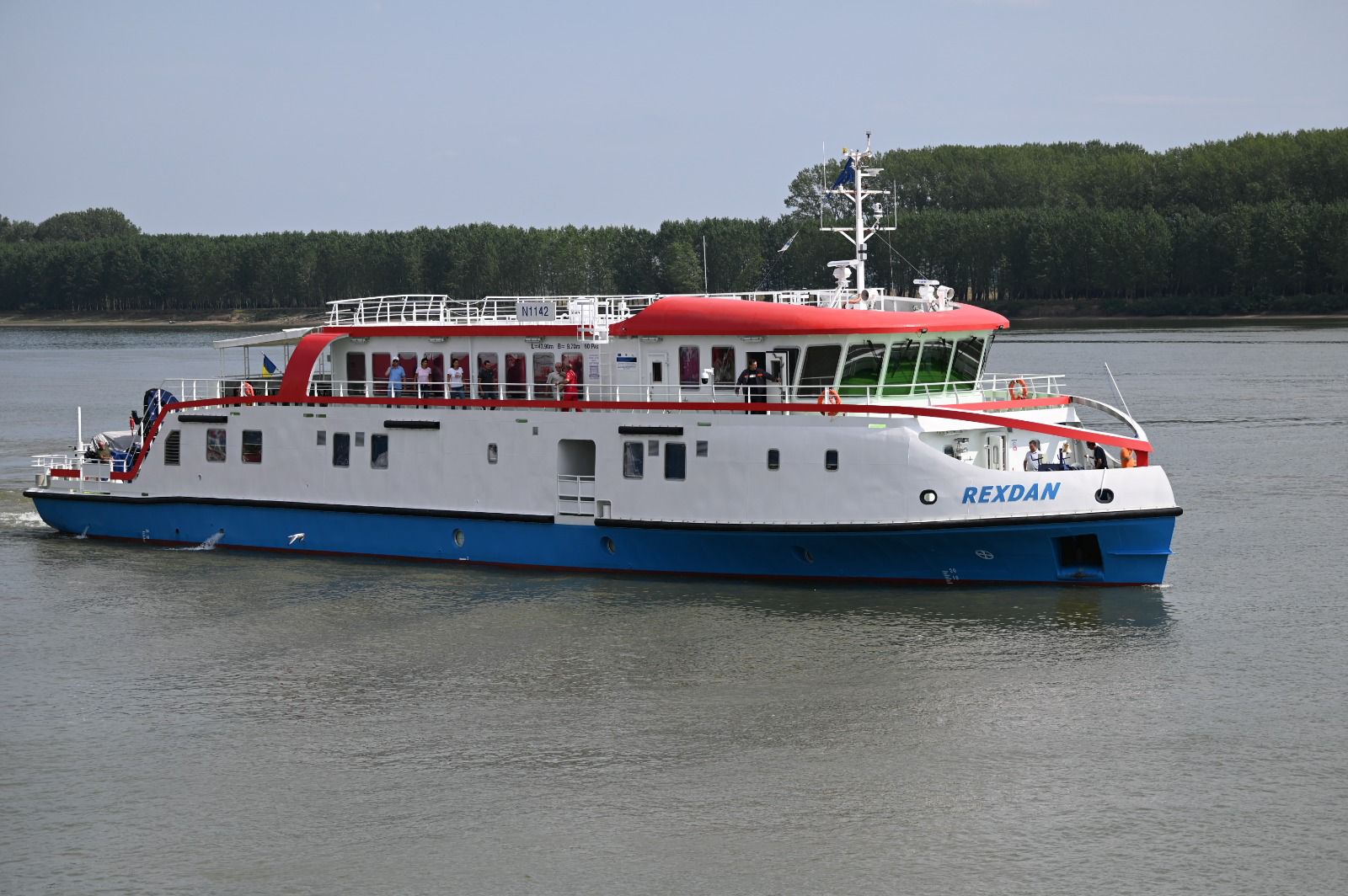
REXDAN research vessel. Photo: https://rexdan.ugal.ro/
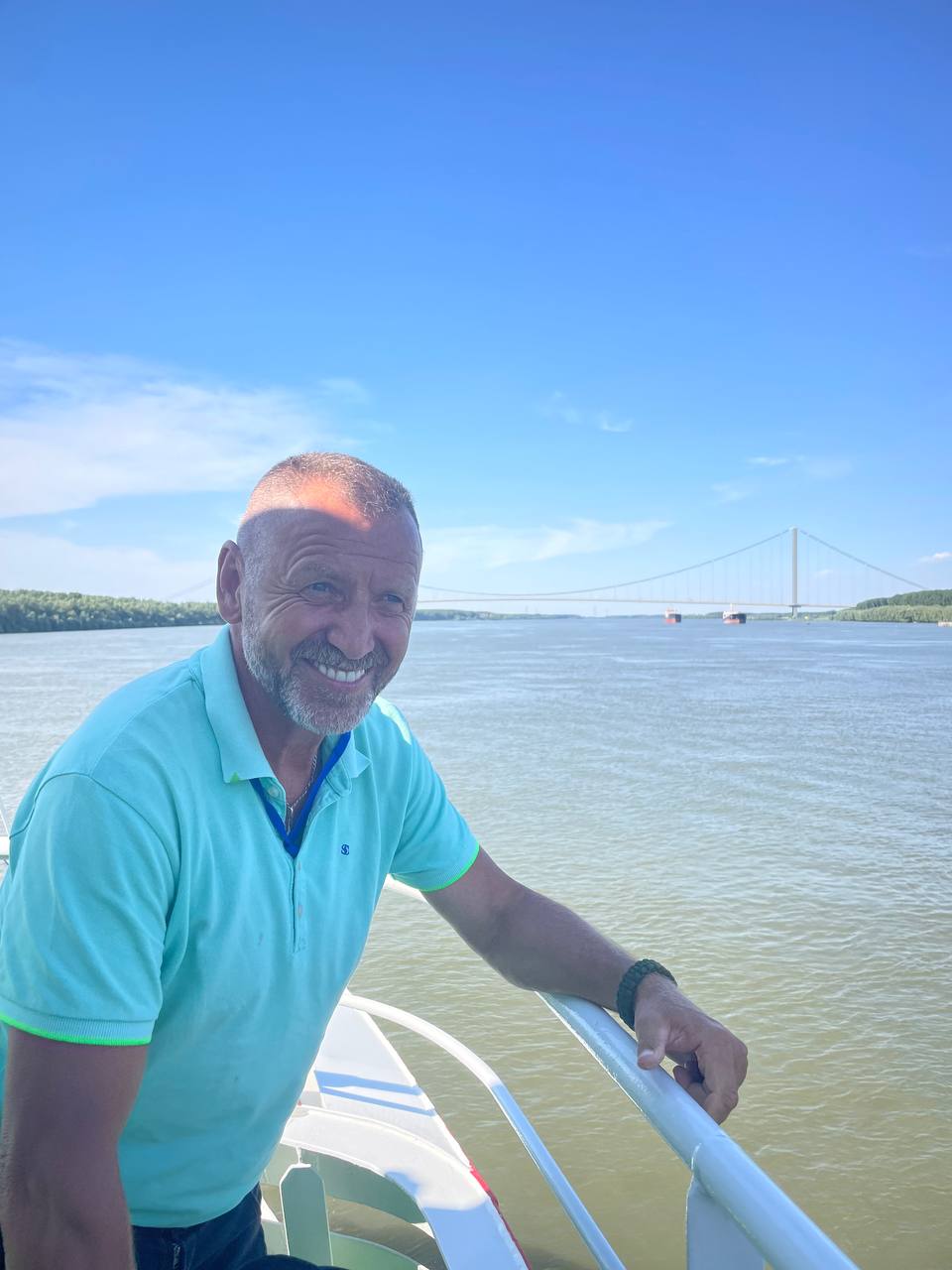
NECU representative, Doctor of Biological Sciences Ivan Rusev, on board REXDAN. Photo by Vira Zaporozhets
Representatives of the project teams visited one of REXDAN’s newest research centers, which was also built and equipped by the university with funding from a previous European project.
NECU deputy chair and Doctor of Biological Sciences Oleh Bondarenko presented the Ukrainian role in the project.
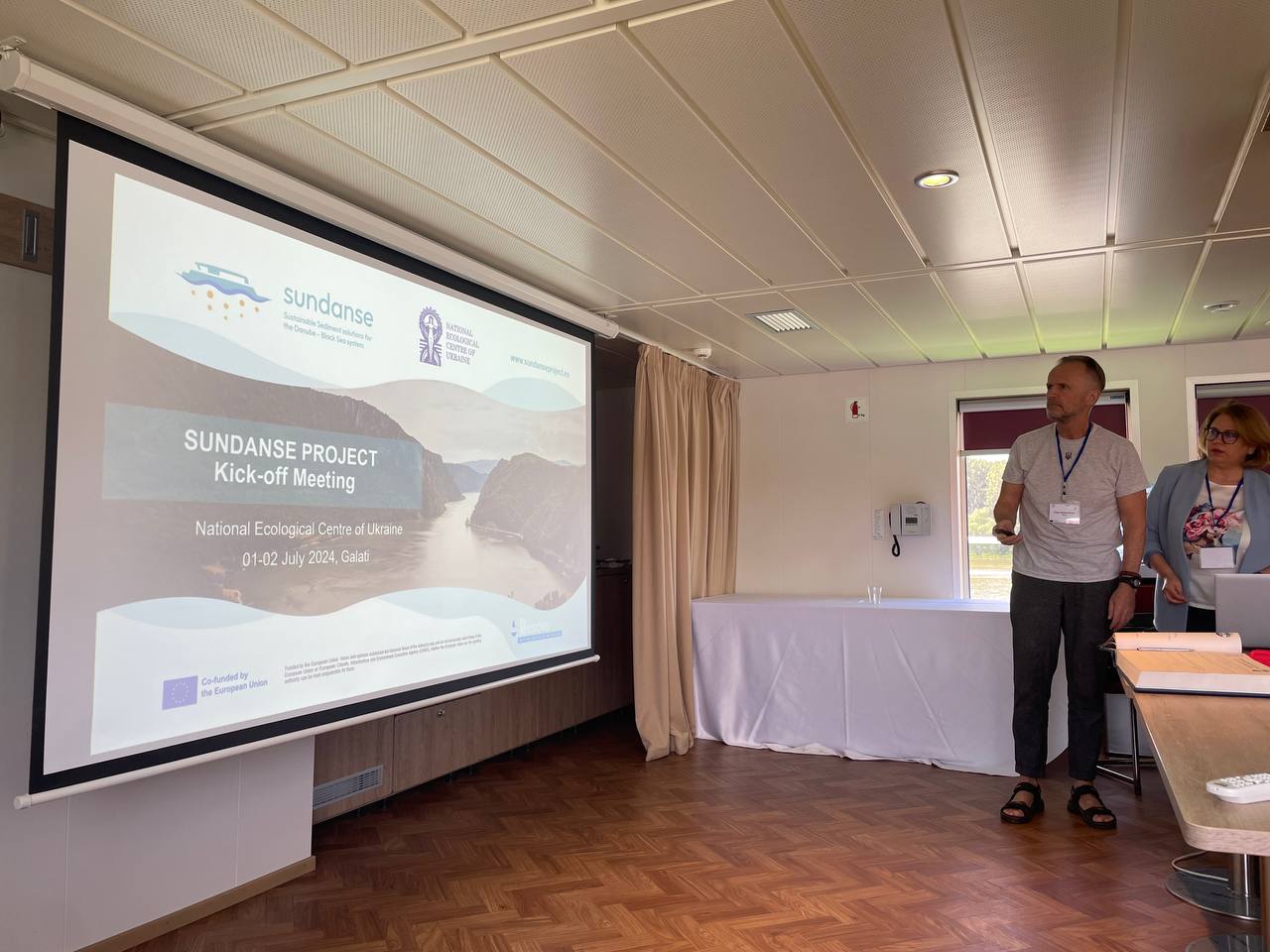
During the presentation of the Ukrainian part of the project. Photo by Vira Zaporozhets
SUNDANSE project tasks
The Ukrainian project participants will have to develop a Sediment Management Guide for the Danube River Basin, including intervention solutions. The guide will define the legislative, strategic and policy framework for the main stakeholders in the Danube basin, procedures and technologies, and more. Following the terrorist attack on the Kakhovka Hydroelectric Power Plant, which destroyed the dam, sediment was released from the reservoir and redistributed across the Black Sea. Creating the Guide will make it possible to study the impact of pollutants on human activity and biodiversity in the Black Sea ecosystem. Research will also focus on the transfer of microplastics through the food chain and assessment of the terrorist attack on the dam through the food chain. Studies of the impact of microplastics on food chains in the Danube basin biota will be conducted in Tuzly Estuaries National Nature Park with specialists from the park’s scientific department. The head of this department, Doctor of Biological Sciences Ivan Rusev, also represented NECU’s project team in Galați.
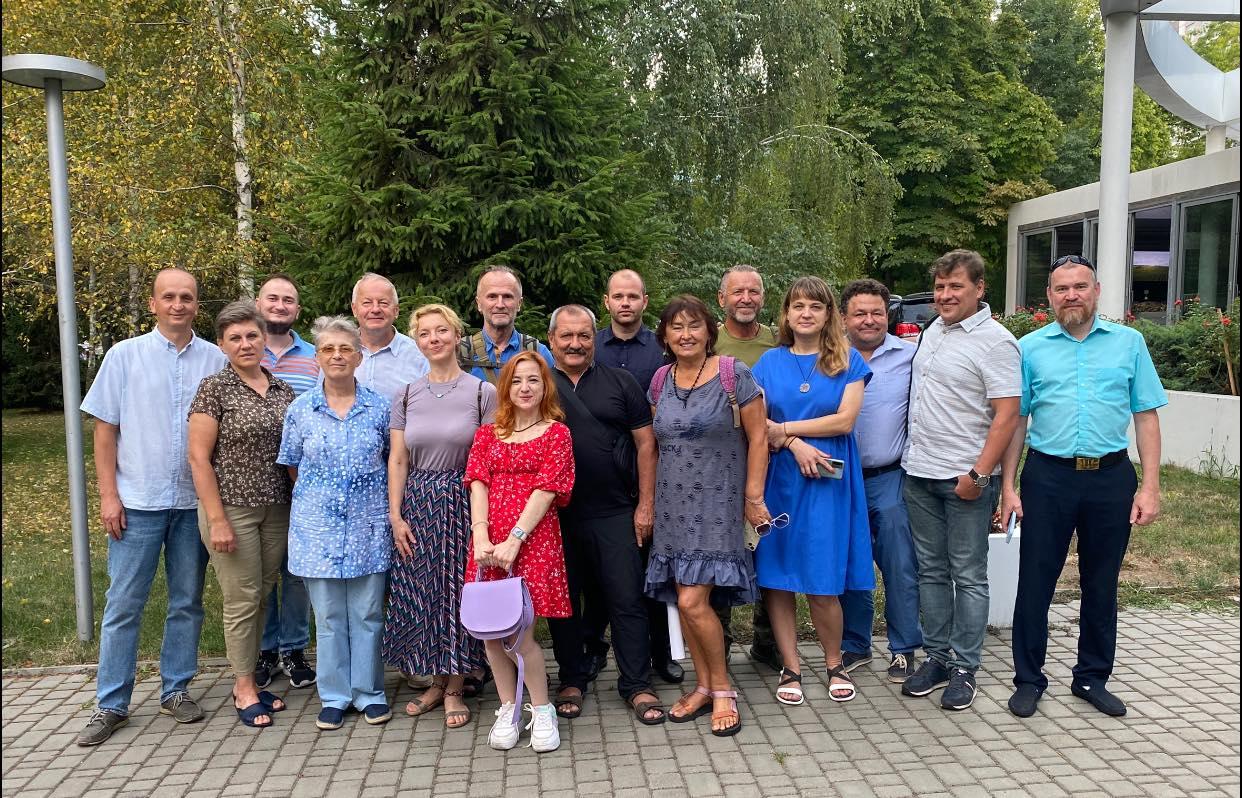
The Ukrainian SUNDANSE project team. Photo: NECU
Also within the SUNDANSE project, the Ukrainian participants will expand the existing measurement and monitoring infrastructure to improve monitoring of sediment quantity and quality and provide more accurate data for sediment-management systems. Vladyslav Balinskyi is the project manager for the Ukrainian team.
The SUNDANSE project “Innovative sediment management framework for a SUstainNable DANube black SEa system” is funded by the EU Framework Programme for Research and Innovation HORIZON EUROPE and is implemented under Grant Agreement 101156533 — SUNDANSE — HORIZON-MISS-2023-OCEAN-01 dated May 14, 2024.