
Environmental Monitoring
Latest publications
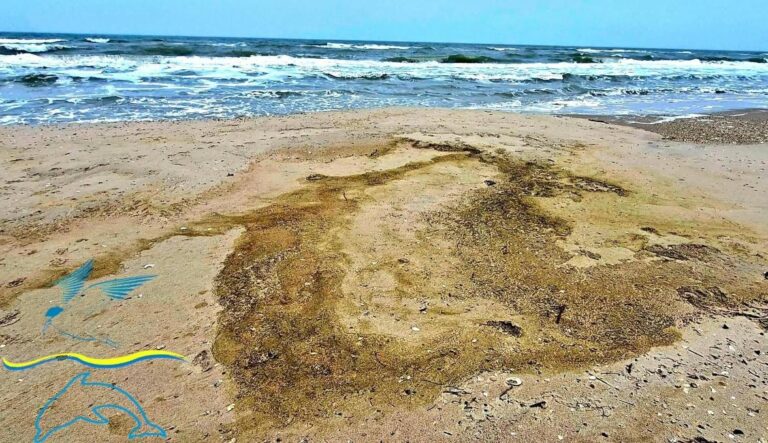
Pollution That Returns: Why the Black Sea Needs Systematic Monitoring
Autumn storms brought oil back to the Tuzlivski Lymany coast. Dark layers exposed in the sandy barrier may help explain why the pollution persists. Park staff collected sand samples for laboratory analysis.
Read more →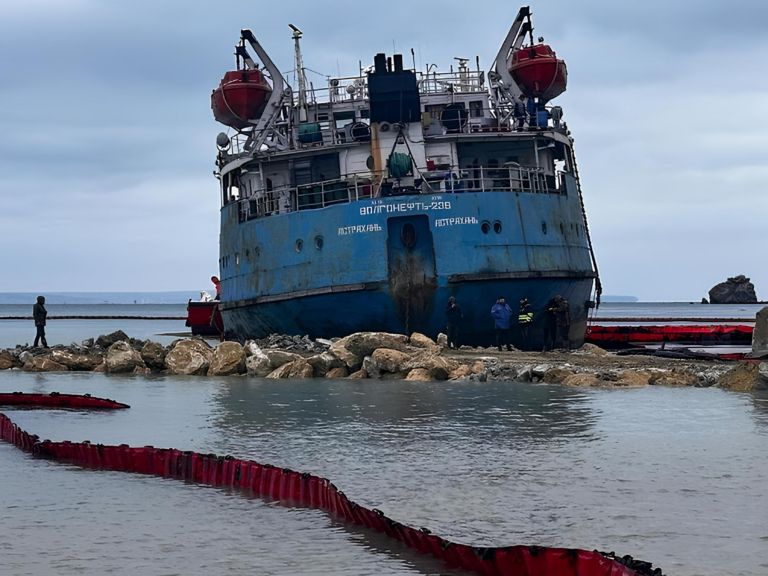
From the Kerch Strait to the Gulf of Finland: The Simulation of a Sea “Cleanup”, russia’s Diesel Deal and the Threat to the Baltic
An analysis of the announced Volgoneft fuel-oil recovery, continuing Sentinel-1 observations in the Black Sea, and the environmental risks of russian fuel shipping in the Baltic Sea and Gulf of Finland.
Read more →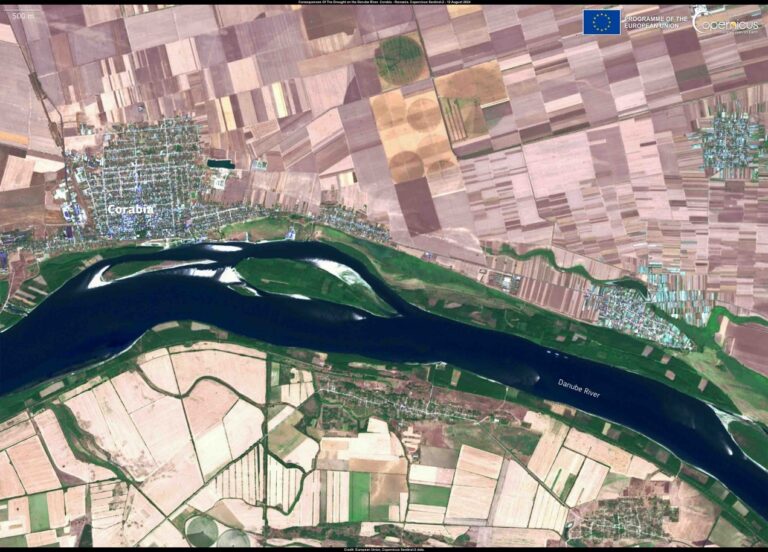
The Danube Is Running Low: Why Europe’s Great River Is Losing Water and What It Means for Ukraine
Danube water levels and discharge have fallen sharply. Ruslan Havryliuk explains the roles of heat, river regulation, wetland and forest loss, and the consequences for water supply, ports and ecosystems in sou…
Read more →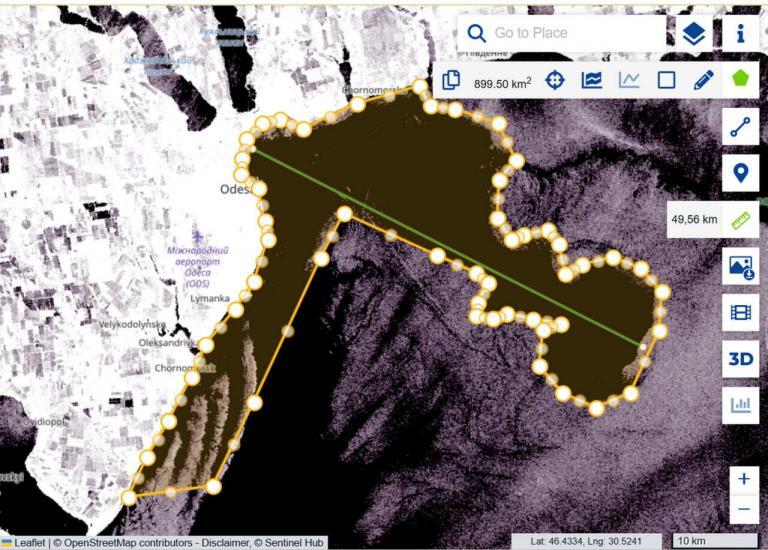
900 km² in the Black Sea: chronology and consequences of the oil spill after the russian attack on April 26, 2026
Updated on May 4, 2026Vladyslav Balinskyi, Researcher at the Tuzly Estuaries National Nature Park, Head of the Odesa branch of the National Ecological Center of Ukraine (NECU) During the night of April 25–26,…
Read more →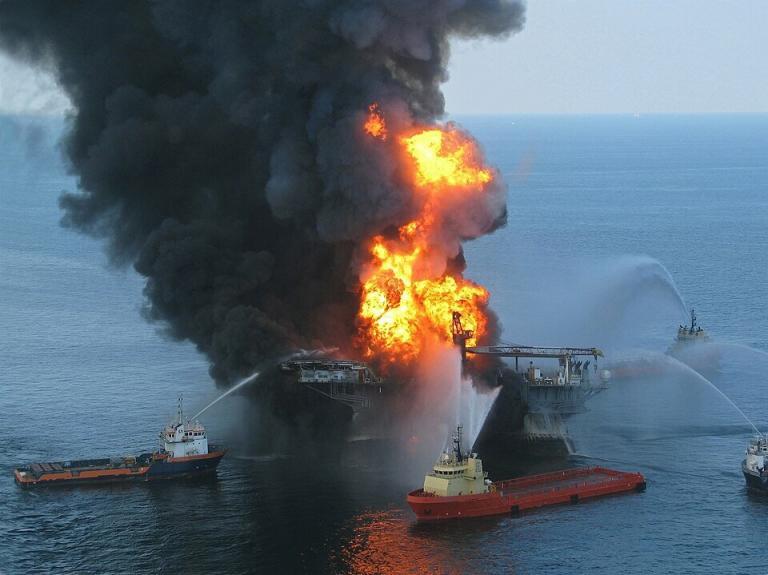
Spatial‑dynamic model of an oil fire: from emission to global footprint
Analytical supplement to the article “Fires at Russian refineries: a chemical war with a delayed detonator” Introduction A spatial-dynamic model of an oil fire shows what falls out of the plume, where, and in…
Read more →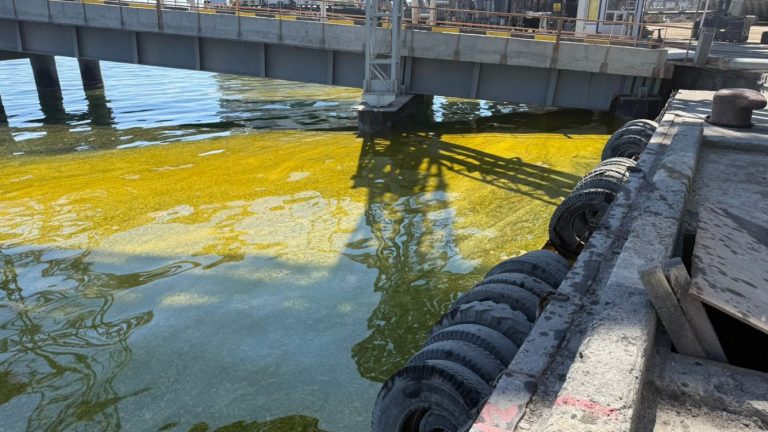
New Vegetable-Oil Spill in Chornomorsk: Environmental Disaster Repeats Itself
On April 26, 2026, an oil spill in Chornomorsk occurred as a result of a Russian strike on port infrastructure: tanks containing sunflower oil were damaged at the Chornomorsk Commercial Sea Port. According to…
Read more →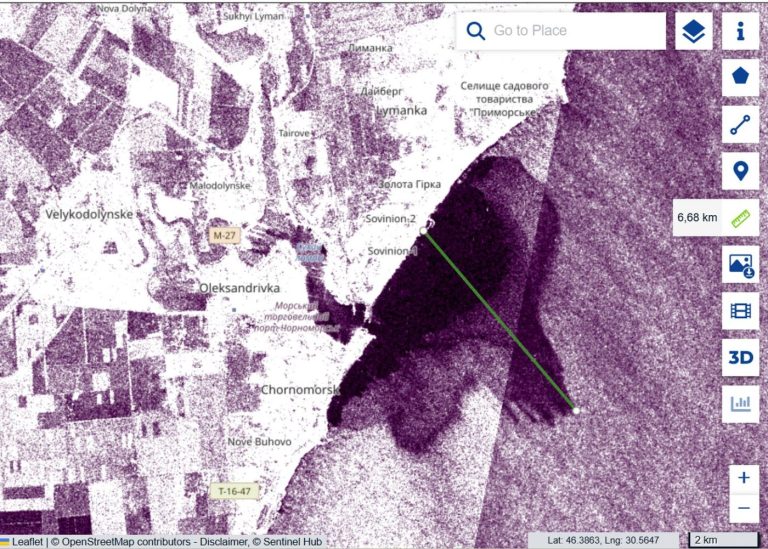
The Third Spill in Two Years: What the New Oil Catastrophe in Odesa Bay Means
Vladyslav Balinskyi, biologist and journalist, Zeleny Lyst (Green Leaf) 27 April 2026 On 8 June 2024, I was standing on Sobachyi beach listening to frogs. The Kakhovka dam had been blown up two days earlier. F…
Read more →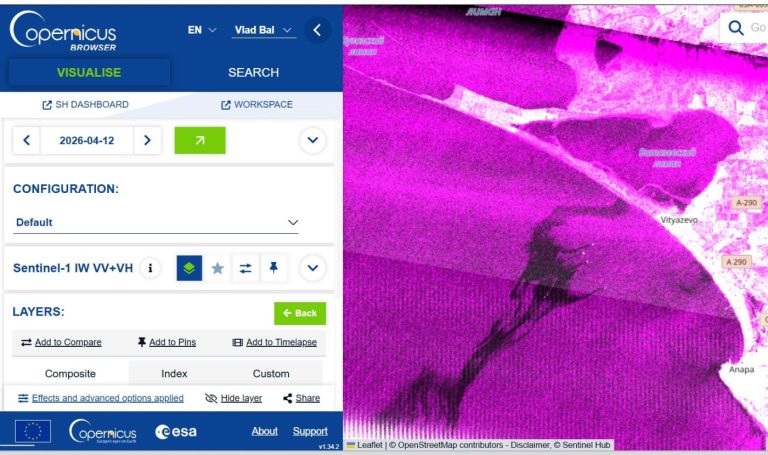
A New Level of Satellite Monitoring Strengthens Evidence of Environmental Crimes
At the “Environmental Security of the State” conference, held on April 16, 2026 at the Kyiv Aviation Institute, Vladyslav Balinskyi, head of the Green Leaf NGO and the Odesa branch of the National Ecological C…
Read more →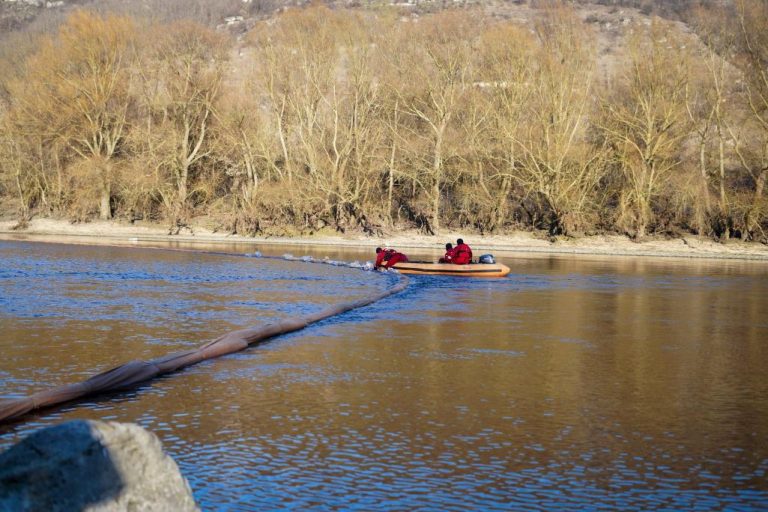
Dniester Under an Oil Slick: How a Strike on a Hydropower Plant Triggered a Transboundary Environmental Crisis
Pollution of the Dniester after the strike on the hydropower plant became not only an environmental but also a diplomatic crisis: Moldova declared an alert, and its diplomats handed a Russian representative a…
Read more →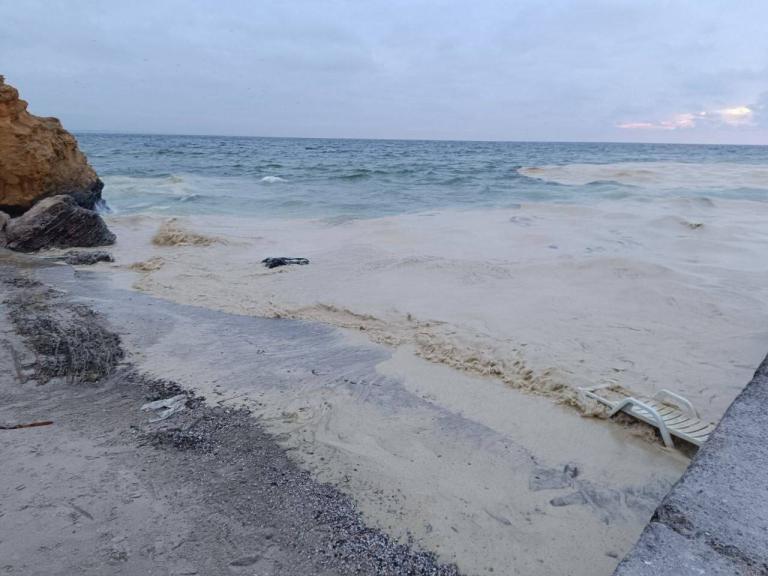
Five Days of Inaction: How a War Crime Turned into an Environmental Disaster in Odesa Bay
After the Russian strike on the Pivdennyi port, thousands of tonnes of sunflower oil reached Odesa beaches A Russian attack on Ukraine’s civilian port infrastructure led to one of the largest environmental dis…
Read more →Balance on the Edge: Crimea’s Water and Land after the Kakhovka Disaster
Introduction This study is an attempt to take an honest look at how much water actually remained in Crimea in the summer of 2025. It was carried out by the team of the civic organisation Green Leaf together wi…
Read more →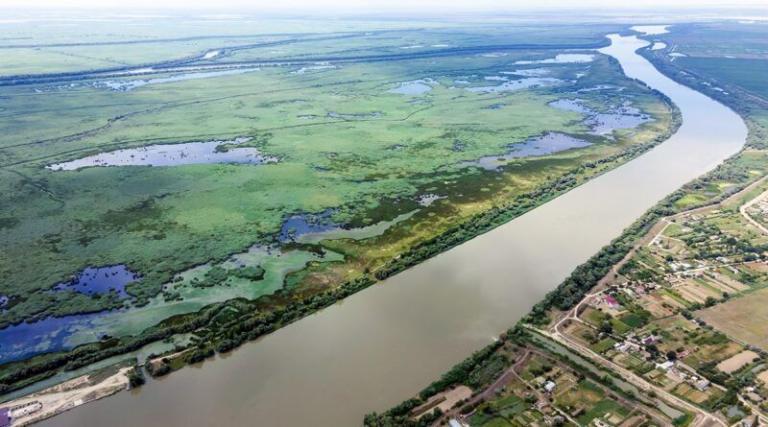
Ahead of International Danube Day, Ukraine Reviews River Basin Management Plan Implementation
On 27 June in Odesa a meeting was held with representatives of the Ministry of Environmental Protection and Natural Resources of Ukraine, the State Agency of Water Resources, basin administrations, internation…
Read more →