

Dictionary of WINDS — Characteristics of Winds and Wind Systems
Introduction
Wind is one of the most important characteristics of weather and climate. Wind causes the movement and mixing of air and transports impurities suspended in it. Wind promotes the exchange of heat, moisture and energy between the underlying surface and the atmosphere, and also transports enormous air masses within the general circulation of the atmosphere.
Read MorePreserving Life in the Danube: The Power of Sediment Monitoring
The Power of Sediment Monitoring

The SUNDANSE project aims to protect wildlife along the Danube by restoring the river’s sediment balance — while also providing a floating campus for advanced research.
The Danube River, which for centuries has been a lifeline for people and wildlife, has been substantially altered by human activity since the late 1800s. Dam construction, agriculture and navigation, combined with climate change, have disrupted the natural sediment balance, increasing flood and navigation risks and causing damage to ecosystems.
The SUNDANSE project, which is part of the Ocean and Waters Mission, aims to restore that balance by assessing and improving sediment management along the Danube, from Vienna to the Black Sea. It will develop a Sediment Management Manual, create forecasting tools, improve monitoring infrastructure, test solutions and engage stakeholders. To maximise the impact of the project’s innovations and results, SUNDANSE will assess the applicability of its solutions in other EU regions and river basins and develop comprehensive business plans, innovative business models, market strategies and exploitation roadmaps.
These measures are crucial not only for reducing risks but also for protecting and restoring freshwater ecosystems. SUNDANSE’s alignment with the Ocean and Waters Mission target of restoring 25,000 km of free-flowing rivers by 2030 underlines the project’s importance within broader EU efforts to tackle environmental degradation. The project directly supports the Water Framework Directive, which focuses on restoring water bodies to achieve good ecological status, preventing further deterioration and contributing to the EU Biodiversity Strategy for 2030 by stepping up efforts to preserve the natural functions of rivers.
Monitoring Sediments, Preserving Life in the Water
Changes in sediments can disrupt the habitats of different species. Aquatic life, including fish and invertebrates, depends on specific sediment conditions for spawning and feeding. Altering these conditions can lead to biodiversity loss and ecosystem degradation, threatening the health and survival of species. As Professor Lucian Georgescu, coordinator of the SUNDANSE project and manager of the REXDAN Research Centre at “Dunarea de Jos” University of Galați (UDJG), explains, “The quality of the biota — all living systems in the Danube — directly depends on the sediment.”
The project will monitor sediment quality and quantity in three different use cases located in three EU countries, including the presence of macroinvertebrates. “There are hundreds of macroinvertebrate species that are often difficult to see, but they are ideal indicators of the health of an aquatic ecosystem and the impact of human activity,” he adds.
If extreme erosion or extreme sedimentation is detected, the project will identify the causes, assess the impacts and propose nature-based solutions to improve the sediment balance. This will include an inventory linking specific types of pollution to their effects on biota.
A Floating Campus Advancing Danube Research
The SUNDANSE project will study the Danube using the advanced REXDAN research vessel . Owned by the project coordinator, UDJG, REXDAN is Europe’s newest and most advanced research vessel, equipped with seminar rooms, laboratories and facilities for researchers.
“We will invite experts and scientists to collaborate, directly contributing to the protection of aquatic ecosystems. With this vessel, we are creating a mobile academic campus,” says Georgescu.
During the project, REXDAN will visit participating countries, including Serbia, Bulgaria and Austria. Students from local universities will be invited to attend seminars on board and conduct research in the vessel’s laboratories. This approach promotes open science, enabling students to take an active role in conserving and restoring the Danube.
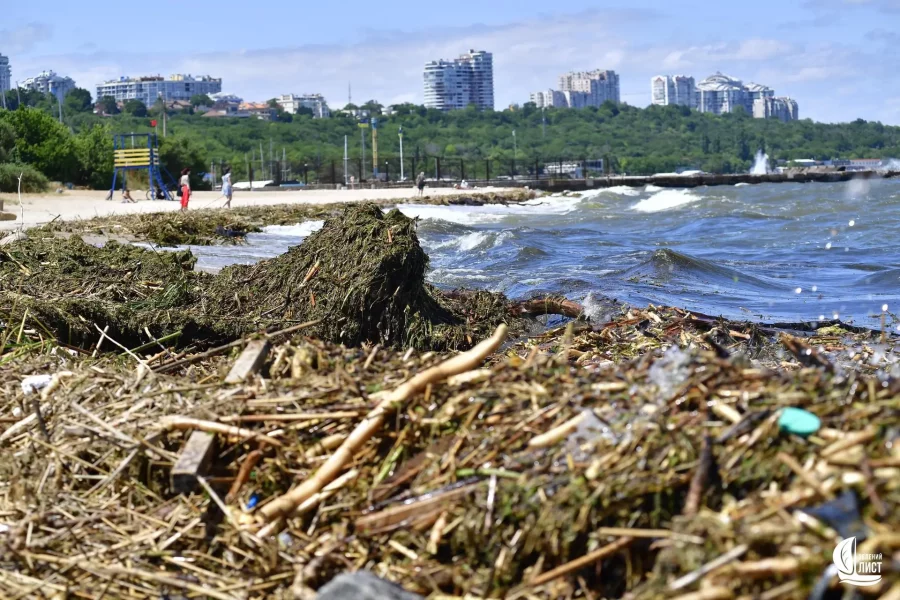

Threats and Challenges to the Black Sea in the Wake of the Kakhovka Tragedy
On 6 June 2023, the Russian occupiers carried out one of the largest terrorist attacks on Ukrainian territory — they blew up the dam of the Kakhovka Hydroelectric Power Plant. Ukrainian officials regard the destruction as ecocide and a war crime. Even now, almost a year and a half after the tragedy, it is impossible to fully assess all the consequences of the disaster. The destruction of the dam, which caused extensive flooding and the draining of the Kakhovka Reservoir, in addition to human casualties and material damage, caused a humanitarian and technological disaster, destroyed landscapes, altered ecosystems, polluted aquifers, and littered coastlines and water bodies.
Perhaps decades from now our descendants will call the Kakhovka disaster and its impact on the environment and the state of the Black Sea a second Chornobyl.
Read More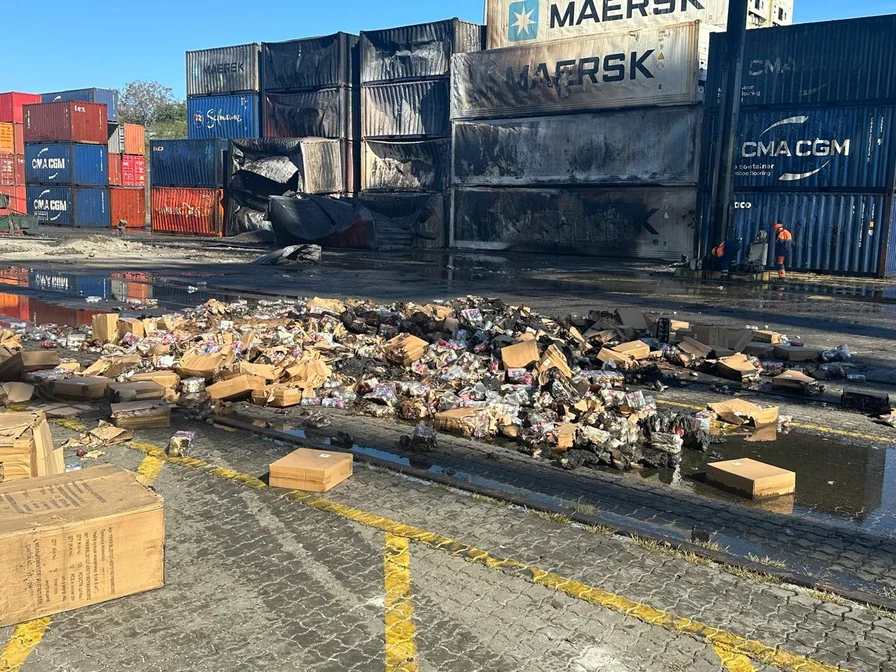
Chronicle of Russia’s War Crimes Against Ukraine’s Environment: Odesa Oblast, October 2024
In October, the occupiers continued terrorizing residents of Odesa and Odesa Oblast. In particular, there were more than ten attacks on port and other infrastructure in Odesa Oblast involved in the operation of Ukraine’s grain corridor, and many port workers were killed or injured. A new tactic also emerged — attacks on foreign civilian vessels calling at the ports of Greater Odesa. In this way, the occupiers are trying to make operation of the Ukrainian maritime corridor impossible.
We collect facts about the Russian Federation’s crimes against nature in Odesa and Odesa Oblast during the war: environmental pollution caused by explosions and damage to infrastructure, contamination of air, water and soil with toxic substances, destruction of ecosystems in protected natural areas and conservation areas of international importance, and more. The information will be updated daily, so please send any facts known to you to: zeleniy.list1@gmal.com
Read More