
On the eve of the New Year, the “Heroes of Odesa Streets” guide was presented in Odesa. It contains a systematic factual study of Odesa toponyms through the lens of decolonisation. The study formed the basis of proposals by the Working Group under the Head of the Odesa Regional Military Administration concerning street renaming in Odesa. The guide explains the reasons and mechanisms behind changes to street names, debunks myths and legends about decolonisation, and offers an in-depth analysis of the consequences of these changes for the city’s cultural and historical heritage. Particular attention is paid to how memorialising prominent historical figures and events helps shape points of reference and national consciousness.
The decolonisation campaign in Odesa and its critics
In the summer of 2024, a scandal erupted in Odesa. On 26 July 2024, Oleh Kiper, head of the Odesa Regional Military Administration, issued an order “On Renaming Toponymic Objects in Settlements of Odesa Oblast”, under which 85 streets, lanes, avenues, squares and public gardens in Odesa were renamed.
Many Odesa residents were angered by the renaming of Zhvanetskyi Boulevard and Pushkinska, Ilf and Petrov, Bunin and Babel streets, as well as by an executive committee decision of Odesa City Council (issued to implement the order of the head of the Regional Military Administration) to dismantle and relocate 19 monuments, including monuments to Pushkin and Babel.
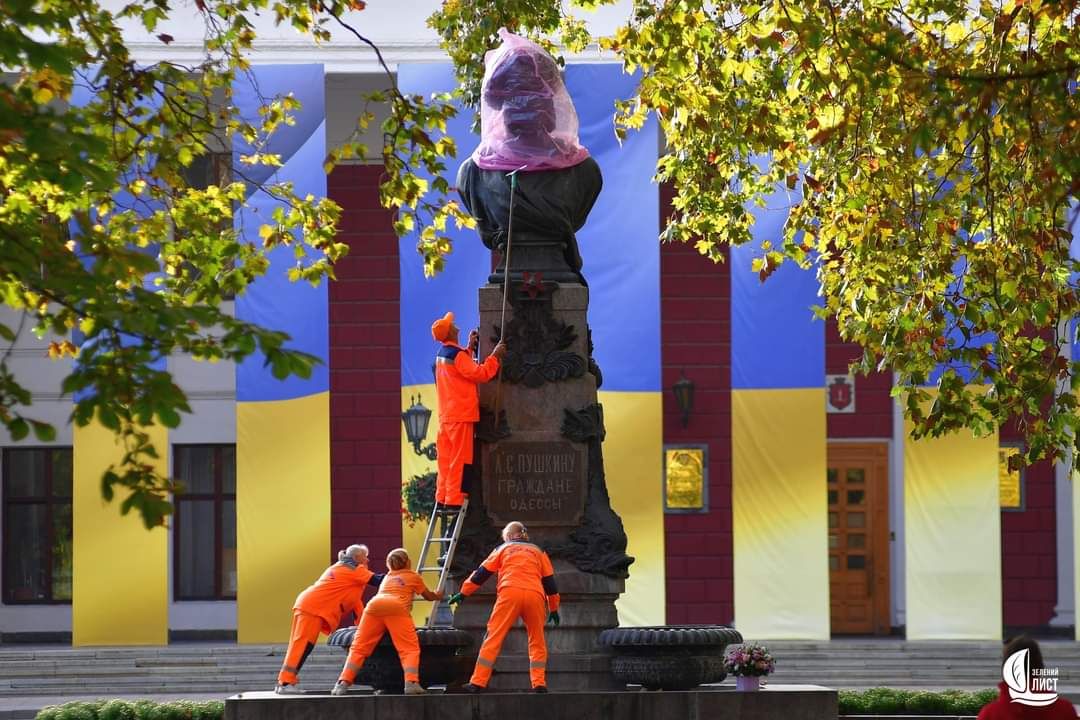
Odesa municipal services workers try to clean the Pushkin monument after an activists’ flash mob. Photo by Vladyslav Balinskyi
Officials involved in the renaming and members of the Working Group that prepared the list of toponyms faced accusations of “cancelling Odesa and its history”. Later, more than 150 cultural and arts figures from Ukraine and other countries called on UNESCO Director-General Audrey Azoulay to appeal to Ukrainian President Volodymyr Zelenskyy with a request to stop this “untimely dismantling of Odesa’s cultural heritage”.
Toward the end of the year, the British publication The Economist published an article titled “Cancel culture in Ukraine”. Its author, Arkady Ostrovsky, argues: “Today, even as the city is regularly struck by Russian drones and missiles, Odesa’s identity, its polyphony and its freedom are under a less visible threat — from Ukrainian officials themselves and from a small but aggressive and vocal group of activists”.
The “aggressive and vocal group of activists” probably includes historian and Armed Forces officer Serhii Hutsaliuk, head of the Southern Interregional Department of the Ukrainian Institute of National Memory, whom The Economist author interviewed in Odesa but whose views he ignored. Ostrovsky also did not find time to meet lawyer Artem Kartashov, a member of the Working Group under the Odesa Regional State Administration that submitted proposals for renaming streets in Odesa and the oblast. Thus, the positions of Working Group members are also absent from the article.
How the “Heroes of Odesa Streets” guide explains the regional authorities’ position on renaming
The “aggressive and vocal group of activists” may also include veterans of the Russian-Ukrainian war, employees of the Odesa Regional Administration’s Department of Culture, Nationalities, Religions and Cultural Heritage Protection, experts in history, culture and law, and civic activists — members of the Working Group and authors of the “Heroes of Odesa Streets” guide. It was presented at the M. S. Hrushevskyi Odesa Scientific Library on 28 December 2024.
The “Heroes of Odesa Streets” guide currently exists only in electronic form and can be downloaded via this link.
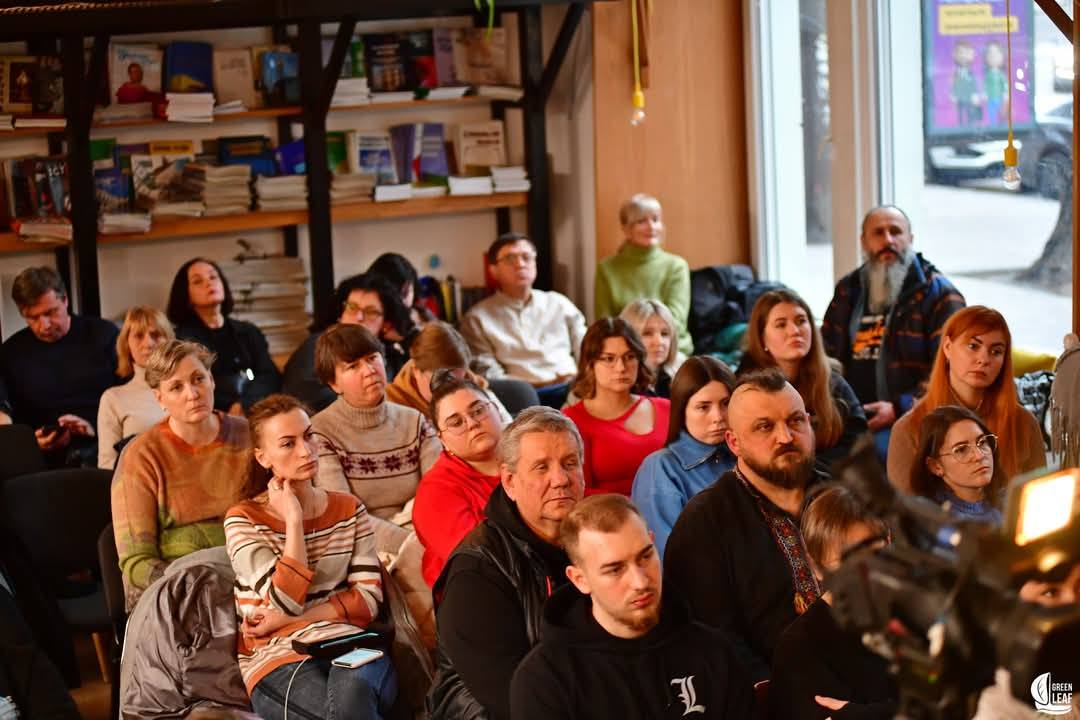
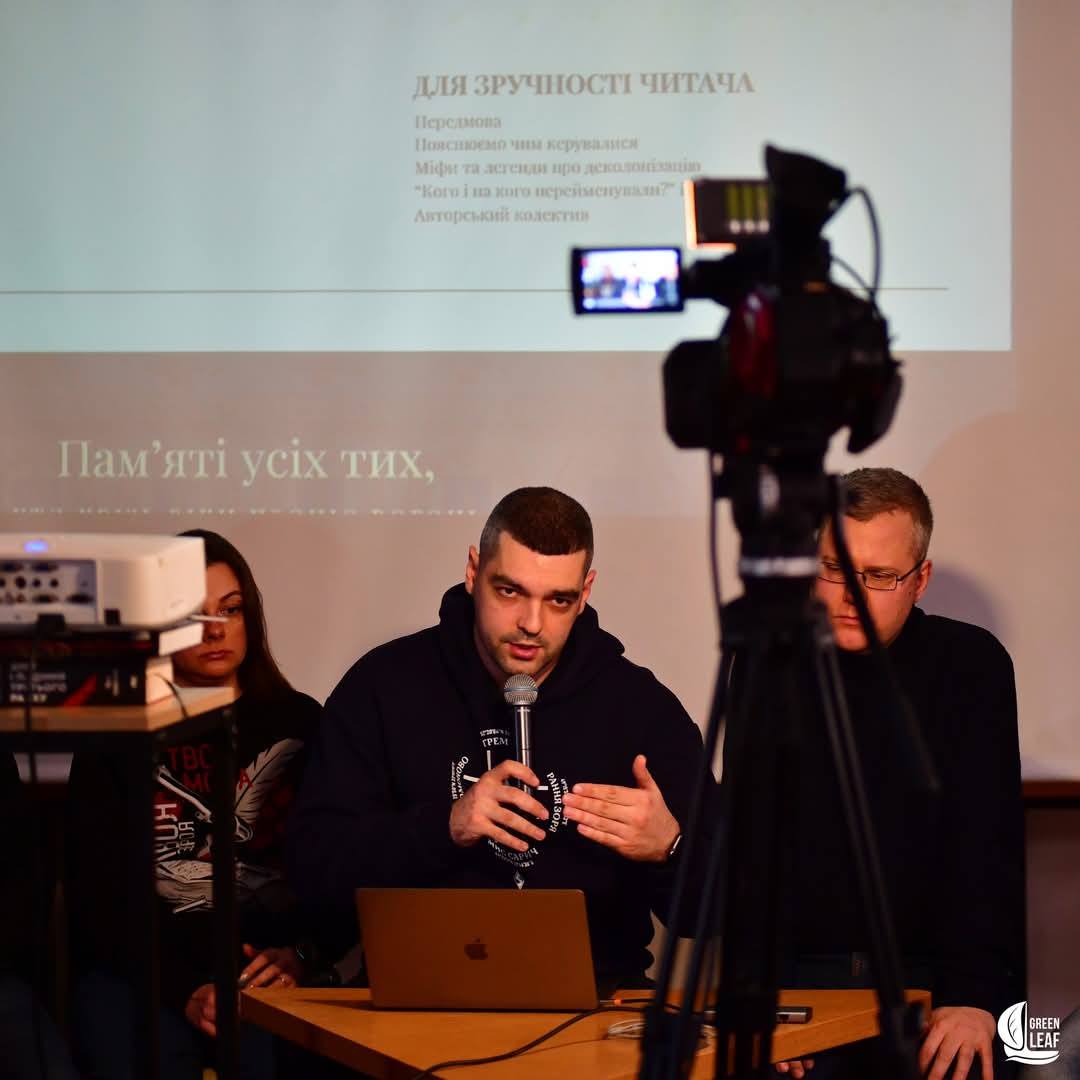
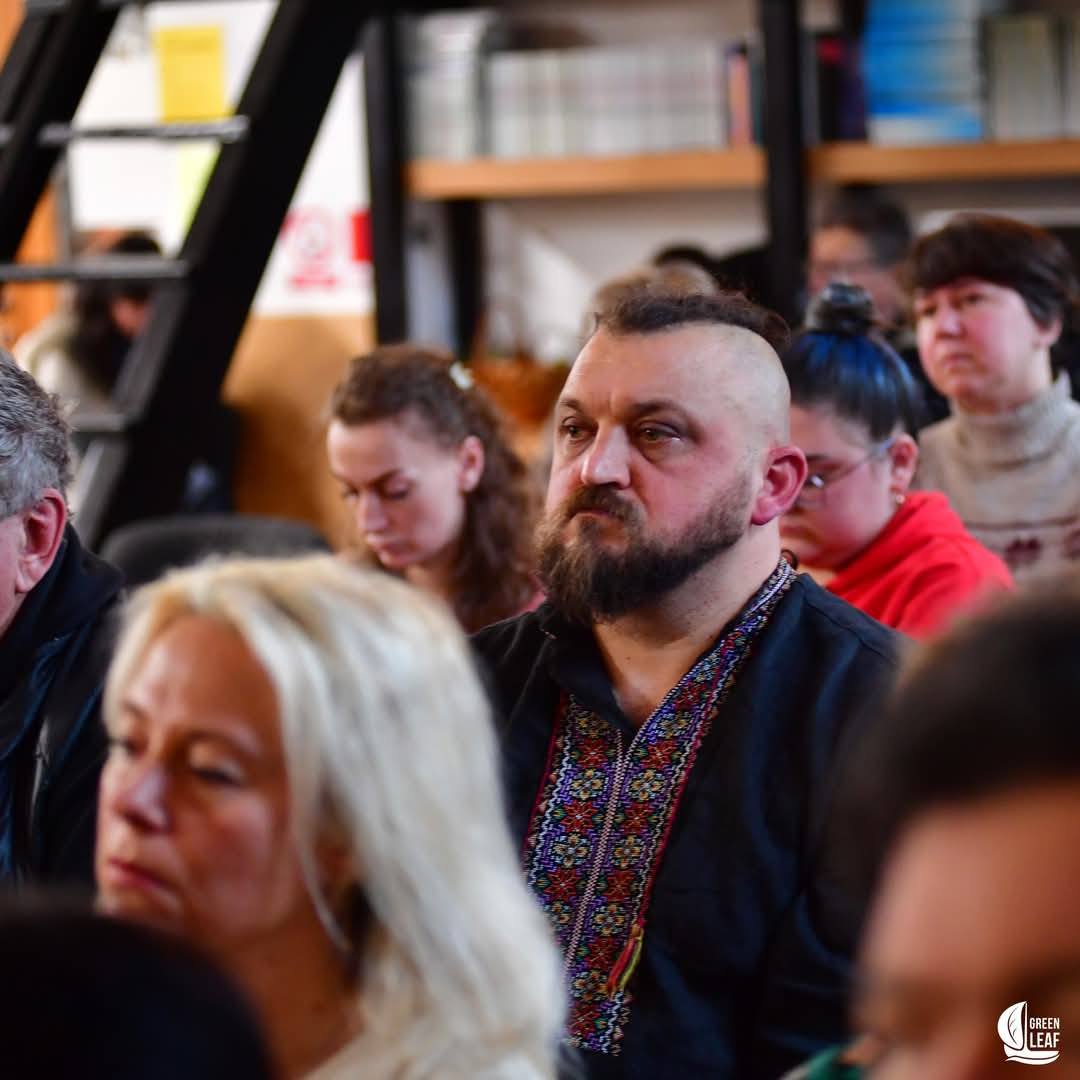
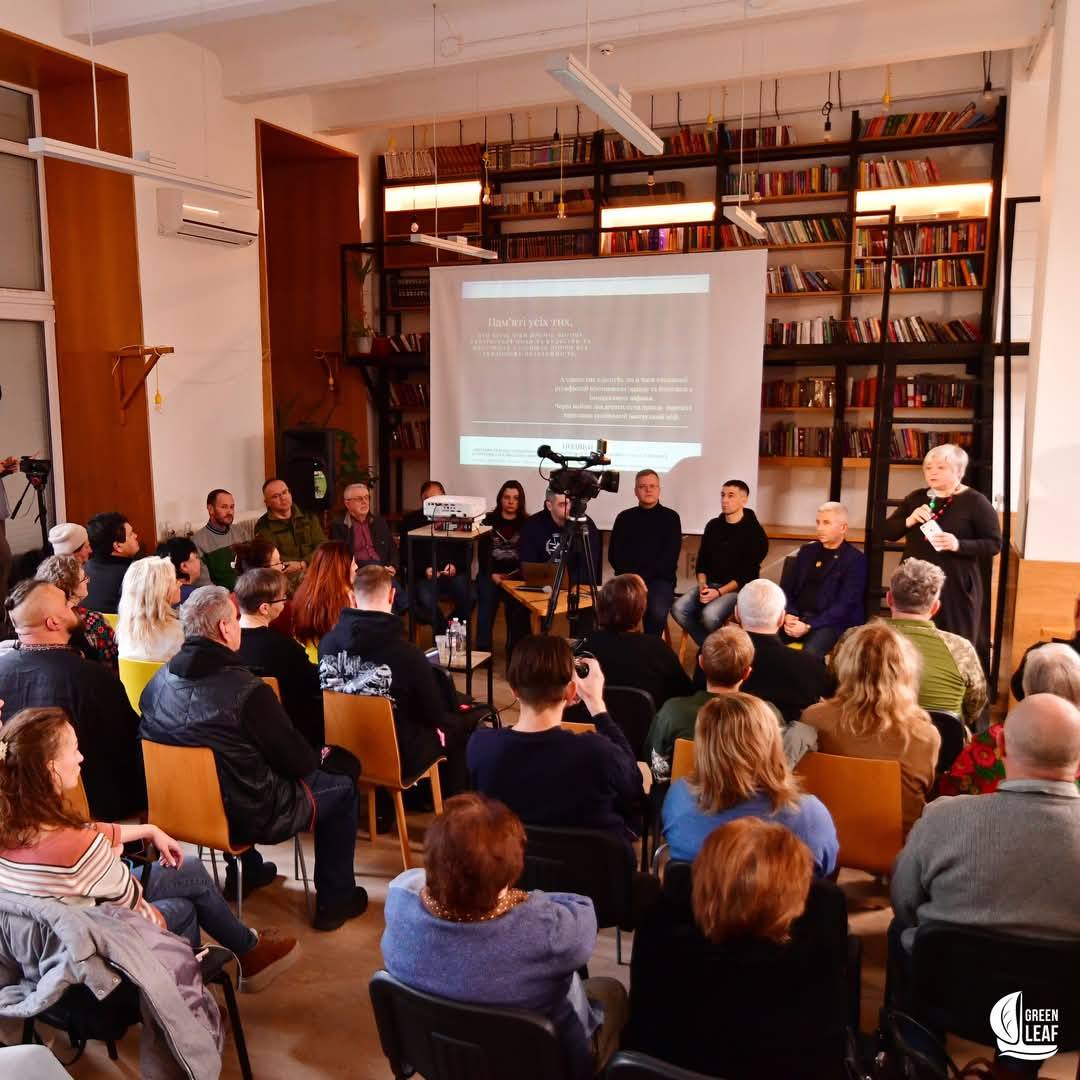
During the presentation of the “Heroes of Odesa Streets” guide. Photo by Vladyslav Balinskyi
The document consists of seven sections. The first three describe the historical and legal context of the decolonisation process in Ukraine and Odesa. They contain a detailed chronology of the difficult legislative process in this field; information about how Odesa and Odesa Oblast removed markers of the communist past after Russia’s aggression against Ukraine began in 2014; the resistance of Odesa city authorities to decommunisation and their attempts to restore communist symbols; and the decolonisation process accelerated by the Russian Federation’s full-scale invasion of Ukraine on 24 February 2024. The guide explains in detail, with references to official documents, why and how the order of Odesa Regional Military Administration head Oleh Kiper “On Renaming Toponymic Objects in Settlements of Odesa Oblast” came about.
Legal basis
On 27 June 2023, the Law of Ukraine “On Condemning and Prohibiting the Propaganda of Russian Imperial Policy in Ukraine and the Decolonisation of Toponymy”, entered into force. It established the main rules concerning the dismantling of monuments and memorial signs (for example, memorial plaques) and the renaming of toponymic objects — streets, lanes, avenues, squares and so on.
The law established new criteria for clearing public space of toponymic and monumental markers and removed contradictions in the previous law, including restrictions that had prevented the renaming of toponyms associated with the expulsion of the Nazis from Ukraine, an issue that had often been manipulated by pro-Russian political forces and movements.
Implementation of this law became the basis for an order issued on 14 May 2024 by the Head of the Odesa Regional State (Military) Administration, “On Organisational Support for Renaming Toponymic Objects in Settlements of Odesa Oblast”, No. 459/A-2024.
To implement that order, on 20 May 2024 the Department of Culture, Nationalities, Religions and Protection of Cultural Heritage Sites of the Odesa Regional State (Military) Administration issued Order No. 44 approving the composition of a Working Group to collect and process proposals for renaming toponymic objects in settlements of Odesa Oblast.
The Working Group held eight meetings at which it considered about 800 agenda items and adopted decisions on renaming toponymic objects, including 85 within the city of Odesa.
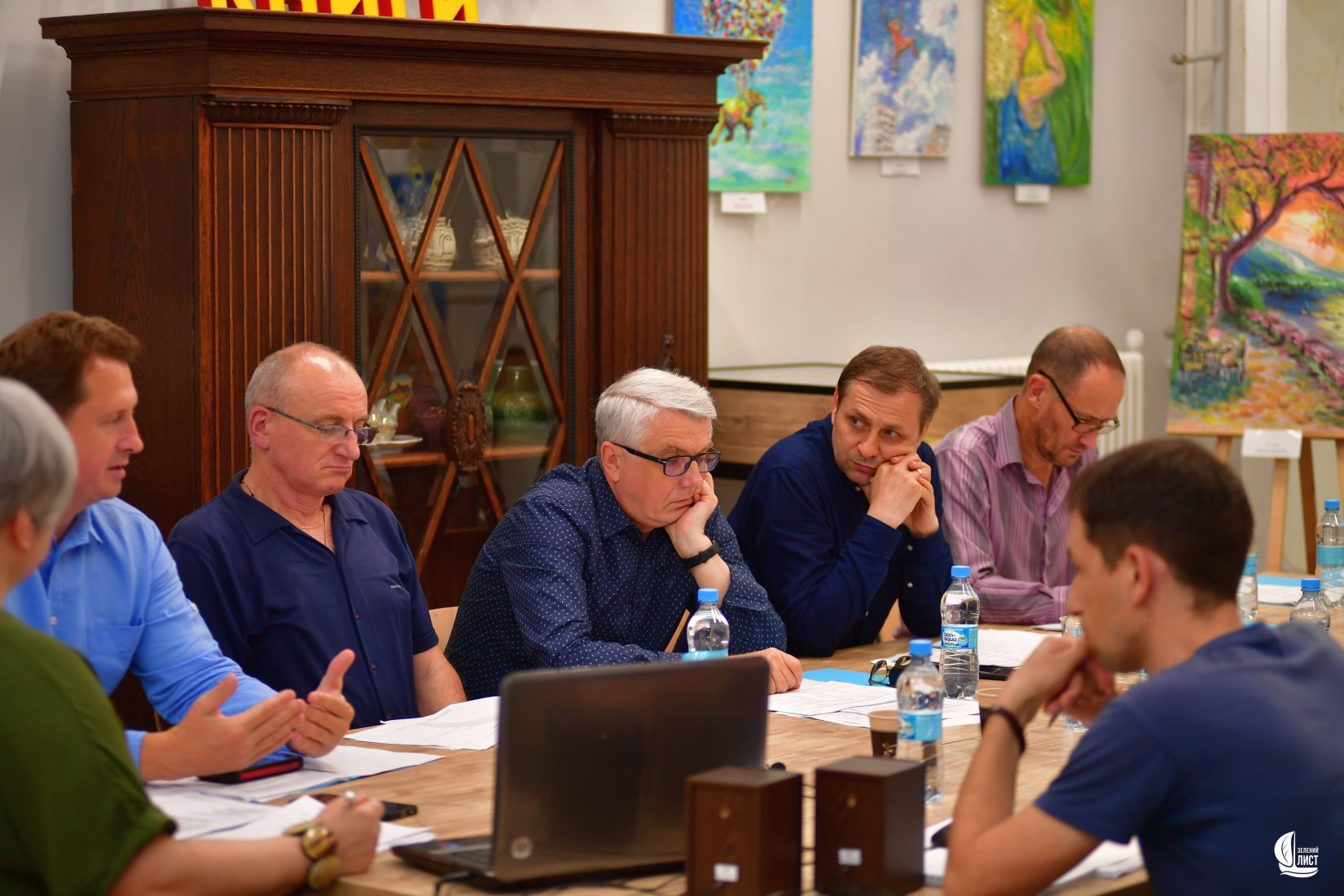
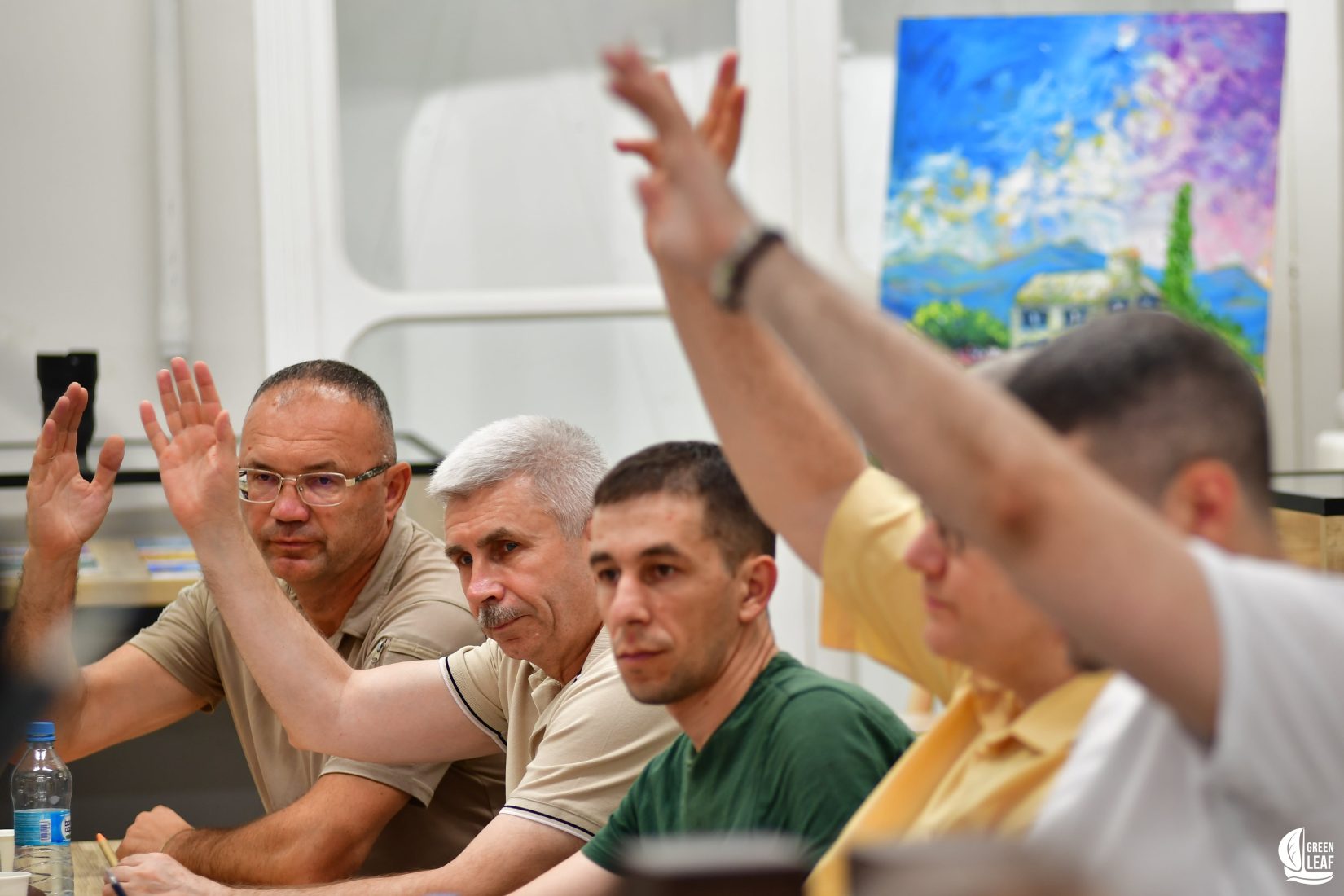
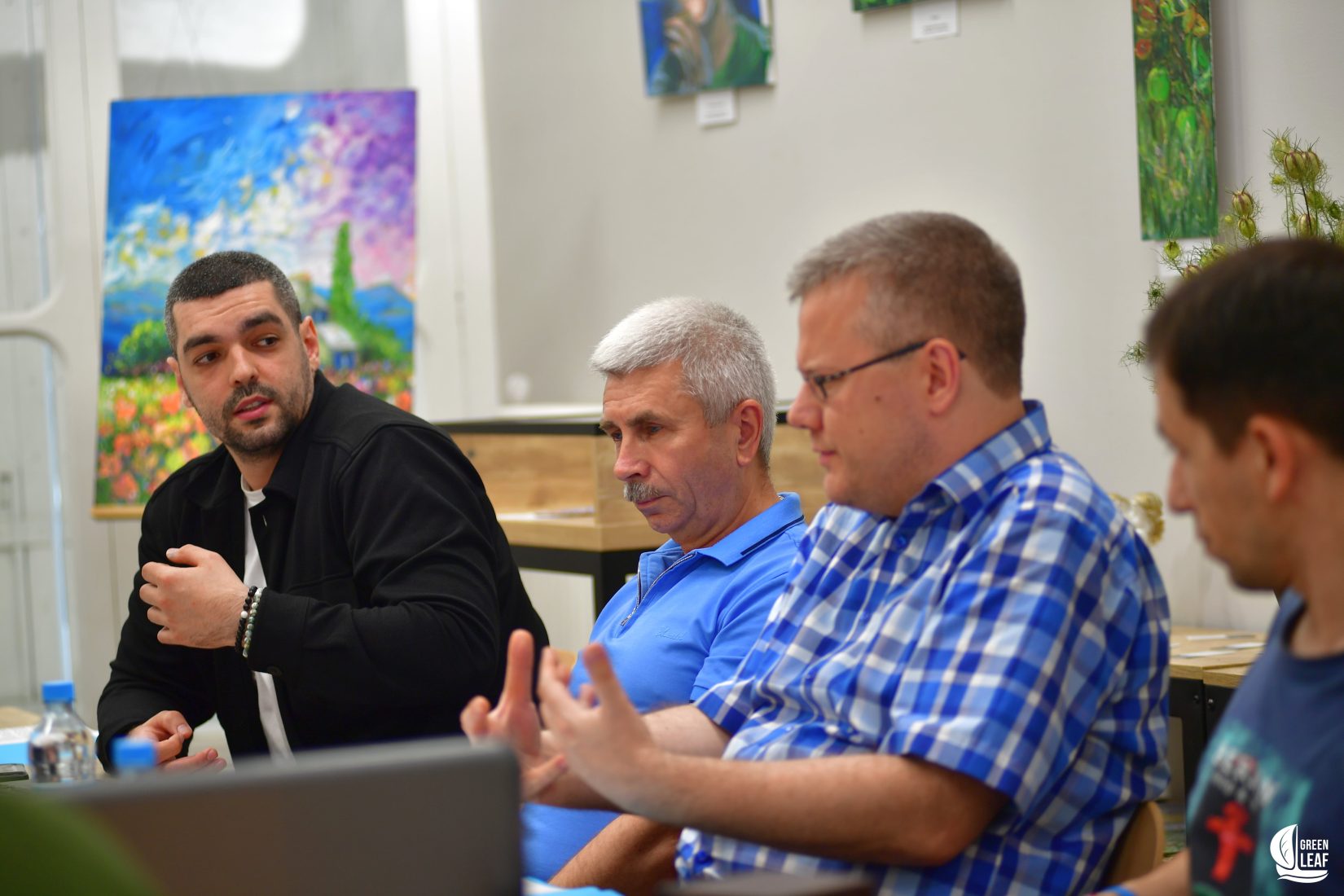
“Heroes of Odesa Streets” guide. During Working Group meetings. Photo by Vlad Balinskyi
Which names should be removed, and why? Whom should our streets be named after?
The guide explains the meaning of the terms and expressions “toponymic object”, “Russian imperial policy”, “Russification”, and “Ukrainophobia”, and lists the toponymic objects that the Law “On Condemning and Prohibiting the Propaganda of Russian Imperial Policy in Ukraine and the Decolonisation of Toponymy” requires local authorities to rename. For example, streets that in Soviet times were named after employees of the Cheka, NKVD or KGB, or officials of Russian authorities and administration — from the Russian Tsardom (Muscovite Tsardom) to the Russian Federation and the USSR. The list also includes toponymic objects named after people who publicly, including in the media, literature and other works of art, supported, glorified or justified Russian imperial policy; names and pseudonyms of people who publicly, including in the media, literature and other works of art, called for Russification or Ukrainophobia; and names of people associated with the persecution of participants in the struggle for Ukrainian independence in the twentieth century.
The guide also explains after whom streets may be renamed: people who fought for independence in the twentieth century, made a significant contribution to the struggle for Ukraine’s independence and the development of the Ukrainian state, supported international peace and security, strengthened Ukraine’s international standing, or performed a heroic deed or feat in the name of the Motherland. Examples include modern heroes of the Russian-Ukrainian war, participants in the Revolution of Dignity who suffered harm, and participants in other confrontations with pro-Russian forces at different times. It also includes people who made a significant personal contribution to science, education, culture and other spheres of public life: scientists, artists, educators, doctors, energy workers and others who made a major contribution in their respective fields.
Myths and legends about decolonisation
People fighting for the decolonisation of Odesa are fighting not only for the future but also for our identity and our truthful past, which Russia is so eager to destroy and slander. The existence of people who, in order to defend Russian monuments and street names, are prepared to harm the state in which they live while repeatedly turning to an unreliable Russian version of the city’s history, demonstrates Russia’s success in this direction.
It is from such people that supporters of decolonisation receive derogatory labels such as “Red Guards”, “internationalists” and “Bolsheviks, just like the Russians”. Yet all three were united by a struggle against invented and non-existent enemies of the people or the regime. Today, by contrast, Ukraine and Odesa face a very real threat — the terrorist state Russia, which used distorted interpretations of history and myth-making to justify its armed invasion of Ukraine and had employed them for years to destabilise Ukraine and Odesa from within. Decolonisation is therefore directed against historical myths and the falsification of history.
One of the most widespread myths about decolonisation is that Odesa residents were supposedly never asked what they thought about changing street names. But this is not true. The decolonisation policy was preceded by a lengthy professional discussion, dating back at least to 2019, followed by debate during the drafting of the Law “On Condemning and Prohibiting the Propaganda of Russian Imperial Policy in Ukraine and the Decolonisation of Toponymy”, and then public electronic consultations — in other words, a proper democratic procedure. Another matter is that a small part of the population simply does not want any change or is waiting for “our people to come back” after unsuccessfully changing colours; however, democracy allows for the existence of a dissenting minority or a passive majority. None of the critics of the orders issued by the head of the Regional Military Administration submitted any proposals during the public consultation process.
Actions of Odesa City Council officials
The guide’s authors recall that for almost a year — from 27 July 2023 to 27 April 2024 — Odesa City Council and the mayor of Odesa had the authority to carry out decolonisation but did not do so. In fact, they could have done it much earlier, from 2014 or from 24 February 2022, as other communities in Odesa Oblast did. But the issue was “talked to death”, so the powers passed to the Regional Military Administration.
The renaming process was accompanied by electronic public consultations — the list of proposed toponyms for renaming was published at least twice — but neither Hennadii Trukhanov nor the City Council submitted proposals or comments, limiting themselves to formal replies. Anyone, even someone who was not an Odesa resident, could submit proposals and influence the result, but most critics did not do so.
The guide’s authors debunk many myths about renaming. One such objection is: “We cannot give Pushkin, Zhvanetskyi and Babel to Putin”, or “Bunin and Pushkin do not belong to the Russians — they belong to the world”.
But one cannot give away what was never ours — Pushkin, Bunin and others have their own homeland, which should honour them, whereas Sviatoslav Karavanskyi or the Hlodan family have no homeland other than Ukraine, so where should they be honoured if not in their native city of Odesa? Virtually none of those whose names disappeared from Odesa’s toponymic map identified themselves with Ukraine in any way — they were and are Russian Soviet writers whose connection to Odesa is limited to being born there or spending a certain period of their creative life there, which placed Odesa in the position of a “Russian province”.
Pushkin, Catherine II and Zhvanetskyi alike
— are, of course, part of Odesa’s history, but history belongs in museums, textbooks and libraries. Toponymy and monuments are the highest form of commemoration, and literary work connected with Odesa cannot outweigh opposition to Ukrainian independence a century ago or the glorification and justification of totalitarian regimes.
From time to time, even unsupported accusations of antisemitism are made. But the Working Group did not proceed on the basis of ethnicity. The order issued by the head of the Regional Military Administration includes, for example, the Jewish writer and founder of modern secular Yiddish literature Mendele Mocher Sforim. His name is now on the map of Odesa alongside that of Israel co-founder Volodymyr Jabotinsky, former Israeli prime minister Yitzhak Rabin and Yevreiska Street. Renaming Babel Street and removing the monument to the writer are likewise not evidence of antisemitism among supporters of decolonisation.
Why was Babel Street renamed?
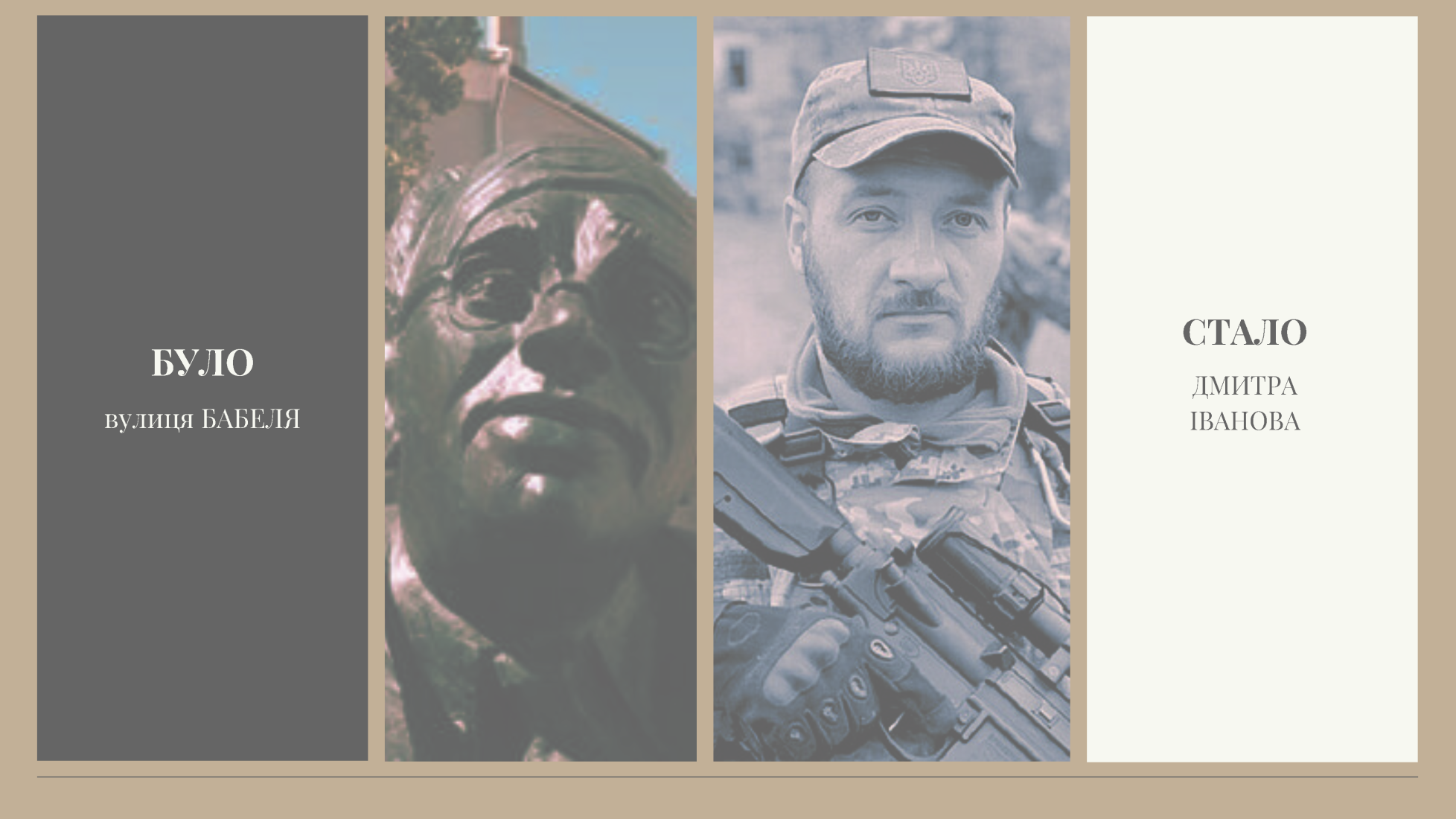
The largest section of the “Heroes of Odesa Streets” guide is about names. These are names that streets in Odesa Oblast will no longer bear. In addition to photographs, readers will find historical notes, archival materials, newspaper and magazine clippings and other evidence which, according to the guide, shows that the biographies of these historical figures do not allow them to be commemorated on the streets of Ukrainian cities and towns.
Alongside them are the names, photographs and biographies of people after whom these streets have been renamed. They include defenders of Ukraine who were born in Odesa Oblast and died defending their homeland in the bloody Russian-Ukrainian war. They also include historical figures: Prince Volodymyr the Great, Prince Yaroslav the Wise, and Ukrainian military and political figures Andrii Hulyi-Hulenko, Mykhailo Bilynskyi, Semen Komirnyi and Ivan Lutsenko. They include scientists such as Mariia Stanishevska; historians Oleksandr Boldyriev, Mykhailo Hordiievskyi and Pavlo Klepatskyi; and prominent writers, literary scholars, artists and musicians including Lesia Ukrainka, Andrii Muzychka, Mykhailo Boichuk, Oleksandr Koshyts and Oleksandr Roitburd.
In Odesa’s modern history, this is the first guide of such scale and detail devoted specifically to renaming.
To understand the logic behind this section of the guide, let us turn to the pages devoted to Isaac Babel. Here is what the guide says about the author of the famous “Red Cavalry” and “Odessa Stories”.
Isaac BABEL — Soviet Russian writer
, war correspondent, Red Army soldier, and employee of the foreign department of the Petrograd Cheka (predecessor of the NKVD) and the People’s Commissariat for Education of the RSFSR. He fought as part of BUDYONNY’s 1st Cavalry Army and participated in the Soviet-Polish War of 1920, in which twentieth-century fighters for independence — soldiers of the Ukrainian People’s Republic, West Ukrainian People’s Republic and Ukrainian Galician Army — fought on the side of the army of the Polish Republic. A supporter of collectivisation policy, which became a cause of the Holodomor of 1932–1933. A Soviet propagandist.
Myths and manipulation surrounding BABEL
MYTH ONE: BABEL fell out of favour with the Soviet authorities because of “RED CAVALRY”
Despite criticism from Semyon BUDYONNY, BABEL was defended by influential Soviet propagandists and military figures of the time — Maxim GORKY, Vitaly PRIMAKOV, Iona YAKIR and Vasily BLÜCHER. The latter even wrote that “Babel gave a vivid portrayal of the 1st Cavalry Army as the finest part of our victorious army”. The work itself was reprinted repeatedly and had no circulation problems before the writer’s arrest and execution; almost a decade and a half passed between its publication and his arrest.
The main printed organ of the All-Union Communist Party (Bolsheviks), the newspaper PRAVDA (1928, No. 275 of 27 November), published an article titled “Reply to BUDYONNY”, in which Maxim GORKY praised “RED CAVALRY”: “it talentedly supplemented my understanding of the heroism of the first army in history that knows what it is fighting for and what it will fight for”. Overall, the work was received positively and was subsequently reprinted, with changes often resulting not from a desire to “hide the truth about the crimes of the Soviet regime” but from political struggles — repressed characters were removed so they would not be associated with the “exploits of the decorated division”. Before his arrest and execution, BABEL’s work, including “RED CAVALRY”, was not banned or censored.
MYTH TWO: All of BABEL’s work was “imbued” — and so on — with “opposition, intolerance of the Soviet regime, and so forth”
In fact, BABEL was not in opposition to the Soviet regime — he fought on its side in the Soviet-Polish War, in which fighters for Ukrainian independence in the twentieth century fought on the side of the Polish army; he also worked for the Cheka and was able to travel abroad.
BABEL’s publications and speeches were often complimentary toward both the regime and individual figures such as Maxim GORKY or Joseph STALIN. BABEL not only joined the struggle against the “enemies of the people” but also held quite attractive positions — for example, in 1934 he became a member of the Audit Commission of the Union of Soviet Writers, and in the summer of 1938 the Union approved BABEL as a member of the editorial board of the State Publishing House of Fiction.
In 1937, Literaturnaya Gazeta published his article “Lies, Betrayal, Smerdyakovism”, which supported the USSR’s campaign against “enemies of the people”.
From BABEL’s speech at the First Congress of Soviet Writers on 23 August 1934 (“Stenographic Report”, p. 279): “Speaking about the word, I want to speak about a person who does not deal with the word professionally: look at how Stalin forges his speech, how forged his few words are, how full of muscle they are. I am not saying that everyone should write like Stalin, but we must work on the word as Stalin does”. BABEL described his period of service in the Cheka as “going among the people”.
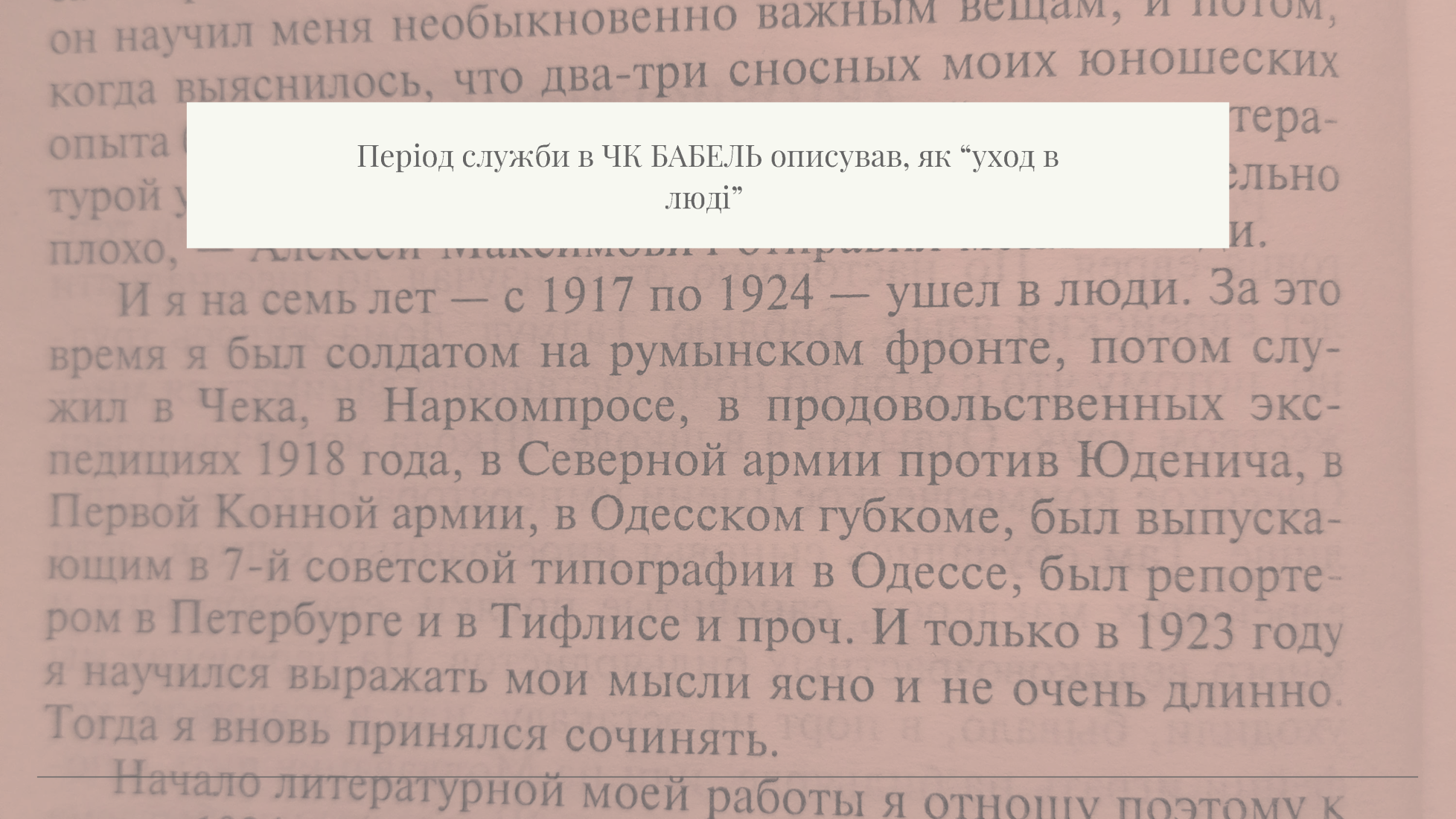
The fact that a person became a victim of repression after serving the regime is not grounds for keeping that person in public space. On the contrary, the guide presents this as a striking example of failed accommodation that clearly should not be held up for emulation.
MANIPULATION: The order to execute BABEL was signed personally by Stalin, so what is the logic behind this renaming?
The list of people repressed at the time together with BABEL included many employees of the repressive bodies, including BABEL’s friend, NKVD chief Nikolai YEZHOV. By that logic, YEZHOV, KAGANOVICH and other Soviet executioners should remain in public space because the “execution list” was signed personally by Stalin.
More details about Isaac Babel’s relationship with the Soviet authorities and Stalin personally, and the details of his cooperation with the Cheka and Yezhov, can be found in a major study by Soviet literary scholar and writer Benedikt Sarnov, “Stalin and Writers”.
The former Babel Street now bears the name of Dmytro IVANOV.
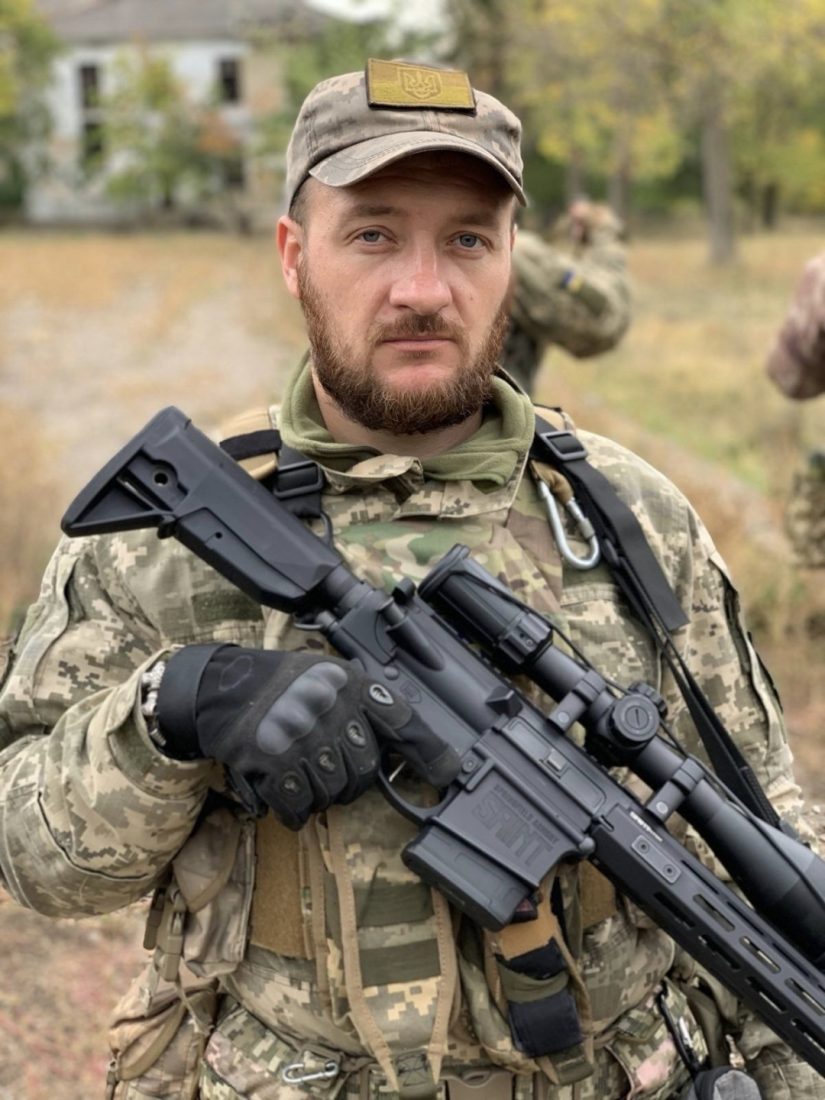
Dmytro IVANOV, call sign Bender, was a Ukrainian service member, participant in the Russian-Ukrainian war and recipient of the Order for Courage, 3rd class. He was born in Odesa in 1987 and served in the 122nd Separate Territorial Defence Brigade. Before the full-scale invasion he worked in construction. Together with friends, Dmytro founded a civic association that helped orphanages, organised meetings with contemporary heroes as part of patriotic education and assisted ATO/JFO soldiers. Dmytro completed compulsory military service in 2005 in the 40th Crimean Radio Technical Brigade, and in 2020–2021 attended special training exercises. On the first day of the full-scale war, he and his three closest friends were at the door of the district recruitment centre.
His widow Natalia recalls that Dmytro did not hesitate for a moment over whether to go to war. “He was very brave and steadfast. Honest and fair. At first I blamed myself and kept thinking, why didn’t I talk him out of it? But then I told his daughter: ‘Who could have stopped your father? No one…’ He believed in Ukraine, believed in our victory and wanted to bring it closer with all his strength,” Natalia says.
Dmytro IVANOV, a sniper in a fire-support company, was killed on 20 March 2023 in the battle for Bakhmut after suffering fatal wounds in an enemy air strike.
One of the last posts Dmytro made on Facebook was about the defence of Bakhmut.
“My comrade and I are travelling down a road of memories. We are going to defend Ukrainian Bakhmut. Why memories? Because we have already travelled 500 km, and life has flashed before our eyes. You remember everything because you do not know whether you will return alive… I am from Odesa, like most of the soldiers in the brigade. Bakhmut is a thousand kilometres from Odesa and it is OURS! Ukrainian! We will definitely win; everything will be Ukraine!” Dmytro encourages others, while sadness can be read in his eyes as if he senses what is coming….
Dmytro IVANOV is buried on the Alley of Glory at Odesa’s Western Cemetery.
Instead of an afterword
The true heroes of Odesa’s streets — soldiers who gave their lives for Ukraine’s independence and sovereignty — could not attend the presentation of the guide. But their relatives were present in the hall of the Hrushevskyi Library: the parents and relatives of Hero of Ukraine and full recipient of the Order for Courage Vitalii Blazhko; the parents of Hero of Ukraine and full recipient of the Order of Bohdan Khmelnytskyi Vadym Korzhenko; the mother of Hero of Ukraine Oleksandr Svishch; and relatives and loved ones of fallen heroes Taras Kuzmin, Dmytro Ivanov, Yaroslav Bais, Borys Aizenberg, Ihor Balmahii, Yevhen Tantsiura, Artur Saveliev, Oleksandr Stankov and Yurii Sliepchenko.
The Order of BOHDAN KHMELNYTSKYI, 1st class, was presented to the parents of Lieutenant Colonel Vadym Korzhenko, who commanded a battalion of the 54th Separate Mechanised Brigade named after Hetman Ivan Mazepa and was decorated under Presidential Decree No. 687/2023 of 12 October 2023. Sadly, Vadym never got to hold the combat decoration himself: on 29 November 2023 he came under enemy artillery fire in the Siversk sector, suffered a severe combat wound and, after medical evacuation, died in hospital.
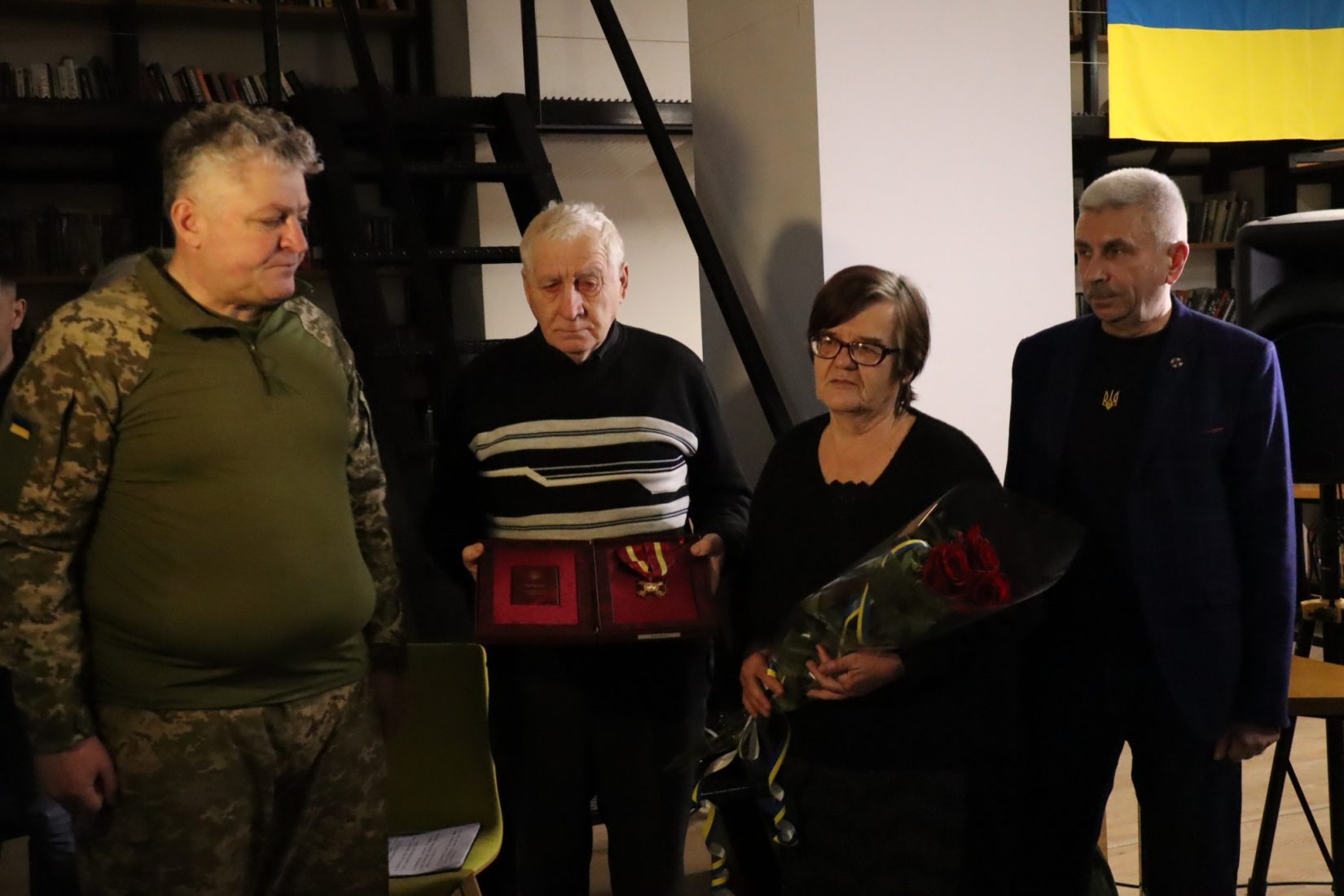
It is thanks to them, the heroes of Odesa’s streets who gave their lives near Bakhmut and Toretsk, Avdiivka and Vovchansk, that we have the luxury of debating, writing letters to UNESCO, giving interviews and reflecting on whether the decolonisation process in Odesa is being carried out correctly.
In the Odesa dreamed of by the occupiers, we would not have this opportunity. Everyone who today accuses supporters of decolonisation of mistakes, parochialism or destroying multiculturalism should remember this and study carefully the result of an enormous amount of work — the “Heroes of Odesa Streets” guide.