
Thanks to an international partnership with Particip GmbH (Germany), Rewilding Ukraine (Ukraine) and the Conflict and Environment Observatory (CEOBS) (United Kingdom), and with support from the World Bank in Ukraine, an initiative to improve the management of Emerald Network sites that are of great importance for biodiversity conservation was launched at the end of October 2024.
Species and their habitats included in the Resolution of the Bern Convention may receive better protection thanks to an initiative aimed at improving management of the Emerald Network.
The project aims to preserve Ukraine’s natural heritage and create conditions for restoring ecosystems damaged by military action. Important tasks include assessing the impact of human activity on natural areas, developing restoration strategies, and preparing methodological recommendations for effective management of Emerald Network sites.
According to Rewilding Ukraine, three pilot areas were selected for the project: the Danube Biosphere Reserve, Tarutynskyi Steppe and Bessarabian Colchicum. They have different ecosystems and histories of human impact, including the consequences of the war.
It is important to note that the Danube Biosphere Reserve, covering more than 50,000 hectares, has suffered significant damage from shelling, drone attacks and fires, which have also affected local communities. The reserve will serve as a site for developing a methodology to assess damage and restore wetlands.
Tarutynskyi Steppe is part of Ukraine’s Nature Reserve Fund and has the status of a local landscape reserve. Its territory was preserved for a long time because it was used as a military training ground, but it nevertheless suffered significant anthropogenic impact from military exercises and infrastructure construction. After the training ground was closed in 2004, the land was transferred for cultivation. In October 2016, activists discovered that tractors were ploughing the area under illegal agreements between the Ministry of Defence and farmers. During efforts to stop the machinery, 1,300 hectares of steppe were destroyed. This triggered a large-scale environmental campaign in Ukraine that was joined by hundreds of citizens and international organisations. The damage was estimated at UAH 12.4 billion. The ecosystems of Tarutynskyi Steppe may become an example of how steppe landscapes damaged by military conflicts can be restored.
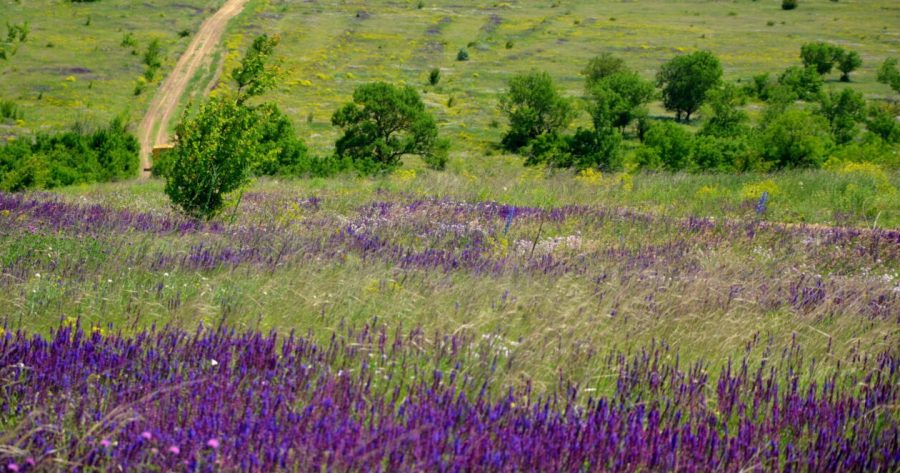
Bessarabian Colchicum, which consists of steppe ravines and artificial forests, is under threat from agricultural activity. The initiative will help develop a management plan for such areas that do not have official protected status.
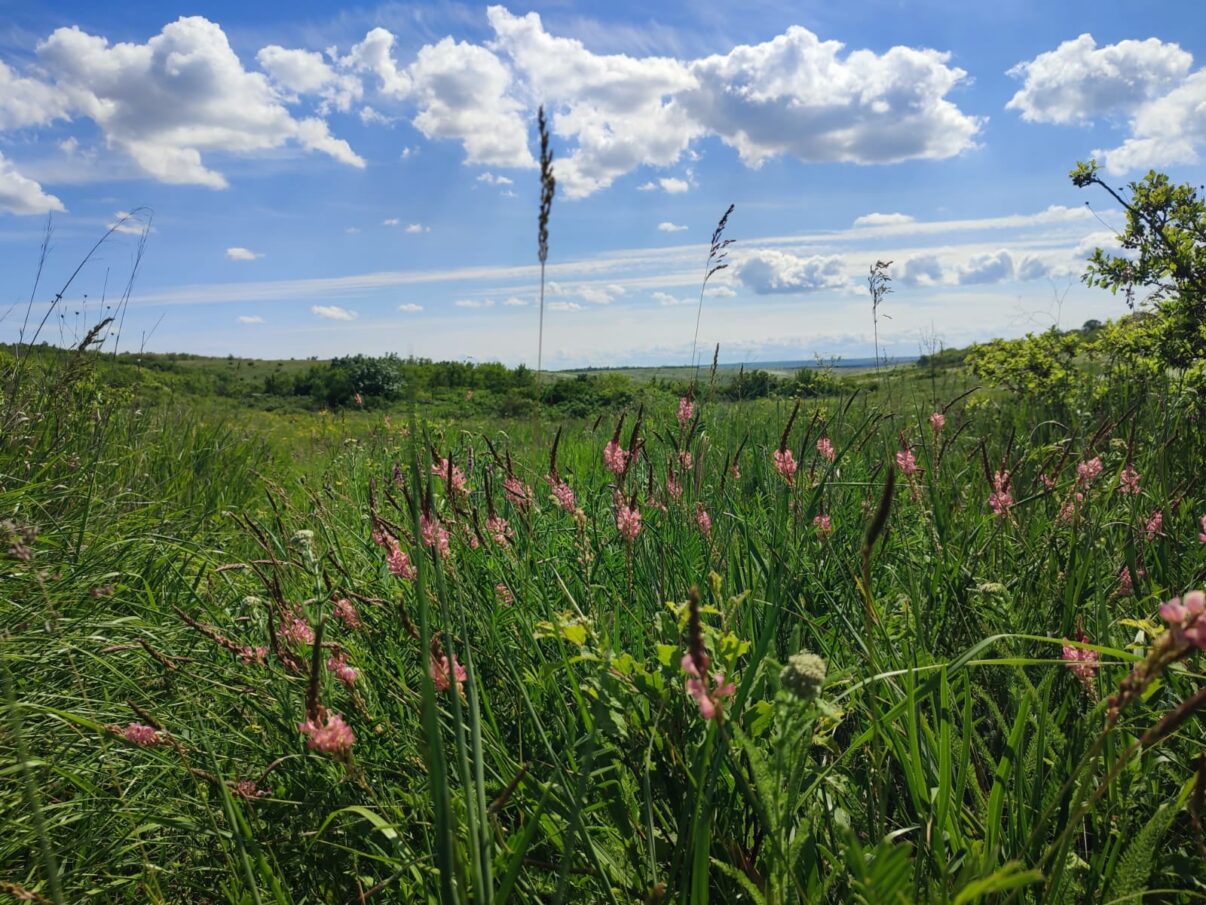
This work takes on particular importance amid Russia’s military aggression against Ukraine, which has created new threats to natural areas. Thanks to the project, Ukraine has an opportunity not only to preserve unique ecosystems but also to lay the foundations for their restoration and sustainable development.

Background:
The Bern Convention is a convention aimed at conserving wild flora and fauna and their natural habitats, especially those species and habitats whose conservation requires cooperation among several states, as well as promoting such cooperation.
The Emerald Network is a system of protected natural areas established under the Bern Convention to conserve species and natural habitats that are threatened with extinction in Europe. Development of the Emerald Network in Ukraine began in 2009, and as of March 2021 it included 377 areas covering about 8 million hectares.
Rewilding is an innovative approach to nature conservation that involves restoring natural ecosystems to a state in which they can function independently without human intervention.
Author: Anna Sushynska, a fourth-year student at the Faculty of Journalism of Vasyl Stus Donetsk National University