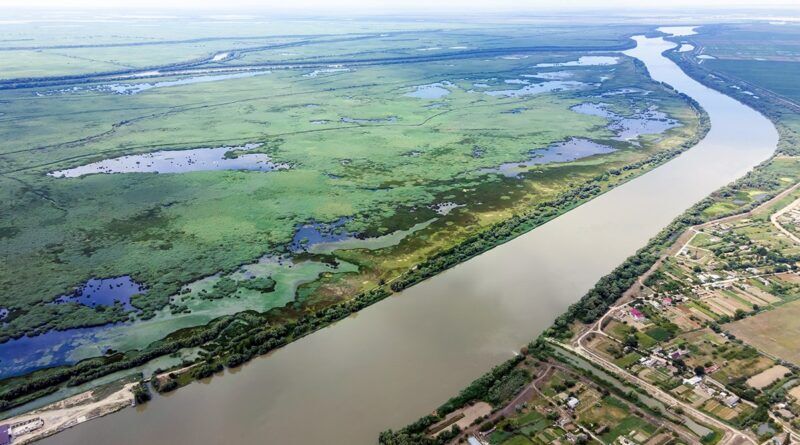

Ahead of International Danube Day, Ukraine Reviews River Basin Management Plan Implementation
On 27 June in Odesa a meeting was held with representatives of the Ministry of Environmental Protection and Natural Resources of Ukraine, the State Agency of Water Resources, basin administrations, international environmental organisations and WWF-Ukraine. Participants discussed the important role of the Danube for millions of people and the need to protect the Danube basin, the implementation status of the Danube River Basin Management Plan (RBMP) and those of other rivers in Ukraine. They stressed the need for effective coordination among all parties involved — the government, local authorities, communities and international partners.
Read More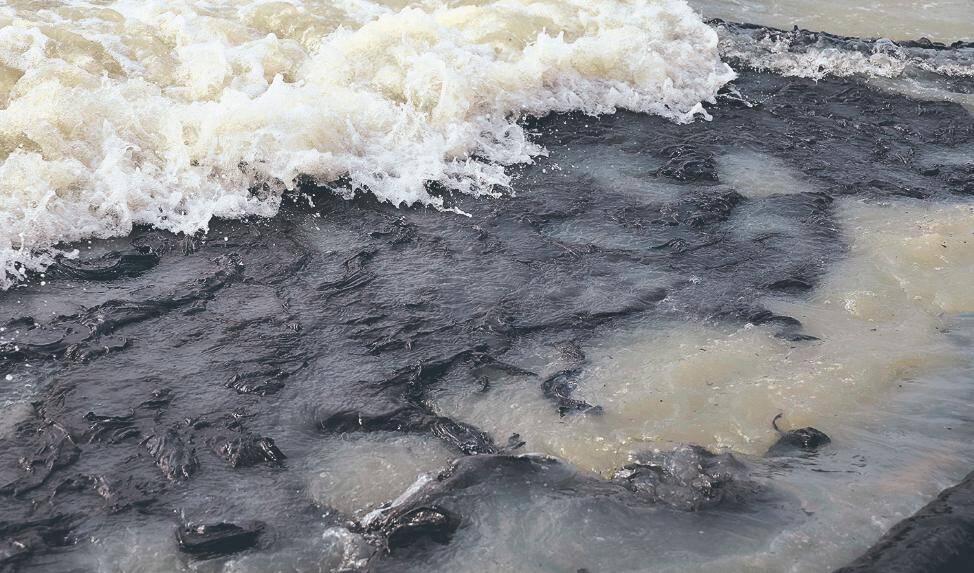
Identifying Fuel-Oil Leak Sources in the Black Sea with Modern Monitoring Methods
After the accident involving two Russian Volgoneft oil tankers in the Kerch Strait on 15 December 2024, half a year has already passed. The topic is gradually disappearing from the information agenda. This is a problem because three fragments of the Volgoneft tankers still have not been raised from the seabed. Fuel oil from two of the fragments continues to leak and poison the Black Sea ecosystem.
Read More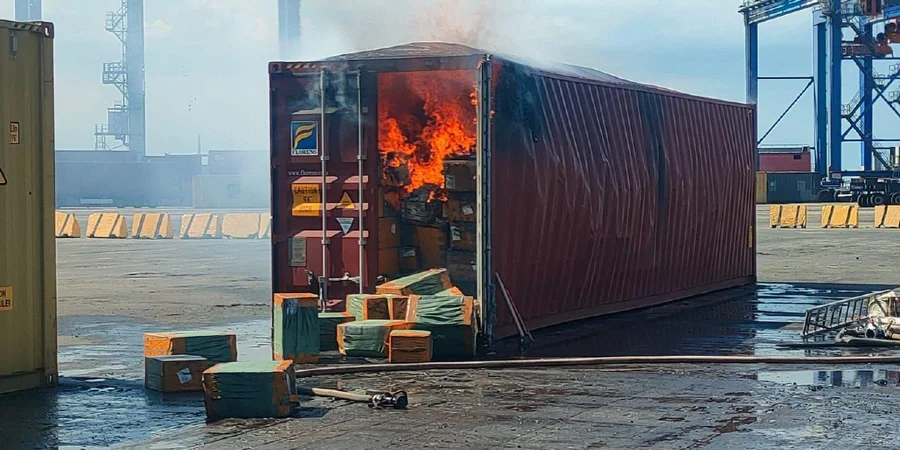
Chronicle of Russia’s War Crimes Against Ukraine’s Environment: Odesa Region, May 2025
May 2025 was no different from previous months: the same senseless terror against civilians by the occupying country, the destruction of civilian infrastructure and residential buildings, tears, pain and blood. War crimes by the Russian Federation against Ukraine and the Ukrainian people continue.
Read More

A Budget Without the Community: Why Odesa Is Still Outside the Law
On 8 January 2024, the Law of Ukraine ‘On Amendments to Certain Laws of Ukraine Concerning Democracy at the Level of Local Self-Government’entered into force. The law expanded opportunities for citizens to participate in local self-government and strengthened the accountability of councillors and community heads to residents.
In particular, Article 13-1 was added to the Law ‘On Local Self-Government in Ukraine’ — ‘Residents’ Participation in Planning and Allocating Local-Budget Funds’. It provides that community residents may participate in all key stages of the budget process: drafting, consideration, implementation and reporting on the budget. Local authorities must ensure such participation. To do so, it is sufficient to adopt a separate decision or amend the community Charter, defining the procedure and forms for citizens to submit proposals concerning the local budget.
Odesa has still not developed a procedure for citizens to participate in planning and allocating local-budget funds
In response to a request from the Green Leaf civic organisation, the city authorities reported that they had still not adopted any decision implementing the requirements of the amended law. In other words, despite having a legal right to do so, Odesa residents are not yet able to fully influence the budget process (see document).
This is the direct responsibility of Mayor Hennadii Trukhanov. Under Part 4 of Article 42 of the Law of Ukraine ‘On Local Self-Government in Ukraine’, he is required to ensure implementation of Ukrainian laws in the city and organise the work of the council’s executive bodies.
It is also worth recalling an earlier attempt by the state to establish public participation in the budget process. Earlier, the Ministry of Finance of Ukraine provided communities with methodological recommendations on involving residents in the budget process. But in Odesa those proposals were also largely ignored. Instead of real mechanisms for participation in the budget process, amendments to the city’s current budget regulations introduced only a formal reference to a ‘procedure for conducting budget discussions on draft budgets’. No regulatory document explains what exactly is meant by this term.
Odesa will soon begin preparing the draft city budget for 2026. But whether residents themselves will be involved in that process remains a major question.