
According to a statement by the Ministry of Environmental Protection and Natural Resources, more than 20% of Ukraine’s protected natural areas – 812 nature reserve fund sites (NRF) with a total area of 0.9 million hectares have been affected by the war. A total of 514 NRF sites covering 0.80 million hectares remain under occupation. This list and the scale of losses may continue to grow because fighting continues in parts of Ukraine, while other areas remain occupied or await demining.
What is happening in the protected areas of southern Ukraine — those under occupation and those controlled by the Ukrainian state but experiencing the destructive impact of war every day? How does a war that kills living beings — people, animals and birds — and poisons the air, land and water affect Ukraine’s biodiversity?
Green Leaf NGO journalist Tetiana Herasymova sought answers to these questions.
Threats to Ukraine’s biodiversity
Biodiversity loss is recognized as one of the world’s major environmental problems. According to the WWF Living Planet Report 2020, populations of mammals, birds, amphibians, reptiles and fish worldwide declined by an average of two-thirds in less than half a century.
Our country is exceptionally important for biodiversity conservation because, while occupying less than 6% of Europe’s area, Ukraine contains 35% of its biodiversity, including 81 endemic species — species found nowhere else. Ukraine’s large contribution to biodiversity is linked to its advantageous geographic location, numerous migration routes and variety of natural zones. Its biota includes more than 70,000 species, among them many rare, relict and endemic species. A number of flora and fauna species requiring special protection are listed in the Red Data Book of Ukraine; the latest 2009 edition contains 826 plant species and 542 animal species.
The main threats to Ukraine’s biodiversity include overexploitation of natural resources; pollution of species habitats — air, water and soils; disruption of the integrity of primary vegetation; anthropogenic transformation of landscapes; and direct or indirect destruction of biological species. Ten years ago, another enormous danger was added: warfare. Given Ukraine’s contribution to biodiversity, the consequences of the war threaten not only our nature but the nature of the entire European continent.
Several well-known NRF sites illustrate how the war is damaging protected areas in southern Ukraine.
Blessed Hylaea
This small furry animal is considered a national treasure of Ukraine; a commemorative coin has even been issued in its honour. The sandy blind mole-rat, or Spalax arenarius Reshetnik, is listed in the Red Data Book of Ukraine and is considered an endemic species.
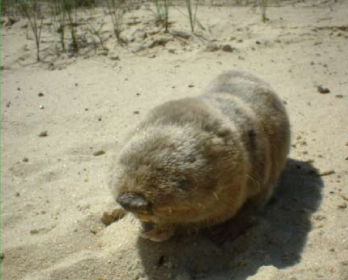
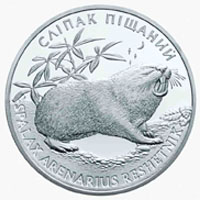
Sandy blind mole-rat. Red Data Book of Ukraine
The main habitat of the sandy blind mole-rat is the Kinburn Peninsula, part of the so-called Lower Dnipro Sands with their unique nature. The peninsula is washed by the waters of the Dnipro-Buh Estuary to the north, Yahorlyk Bay to the southeast, and the Black Sea to the south. To the east it connects to the mainland. Its distinctive air carries salty iodine, the scent of pine needles heated by the sun, and steppe herbs.
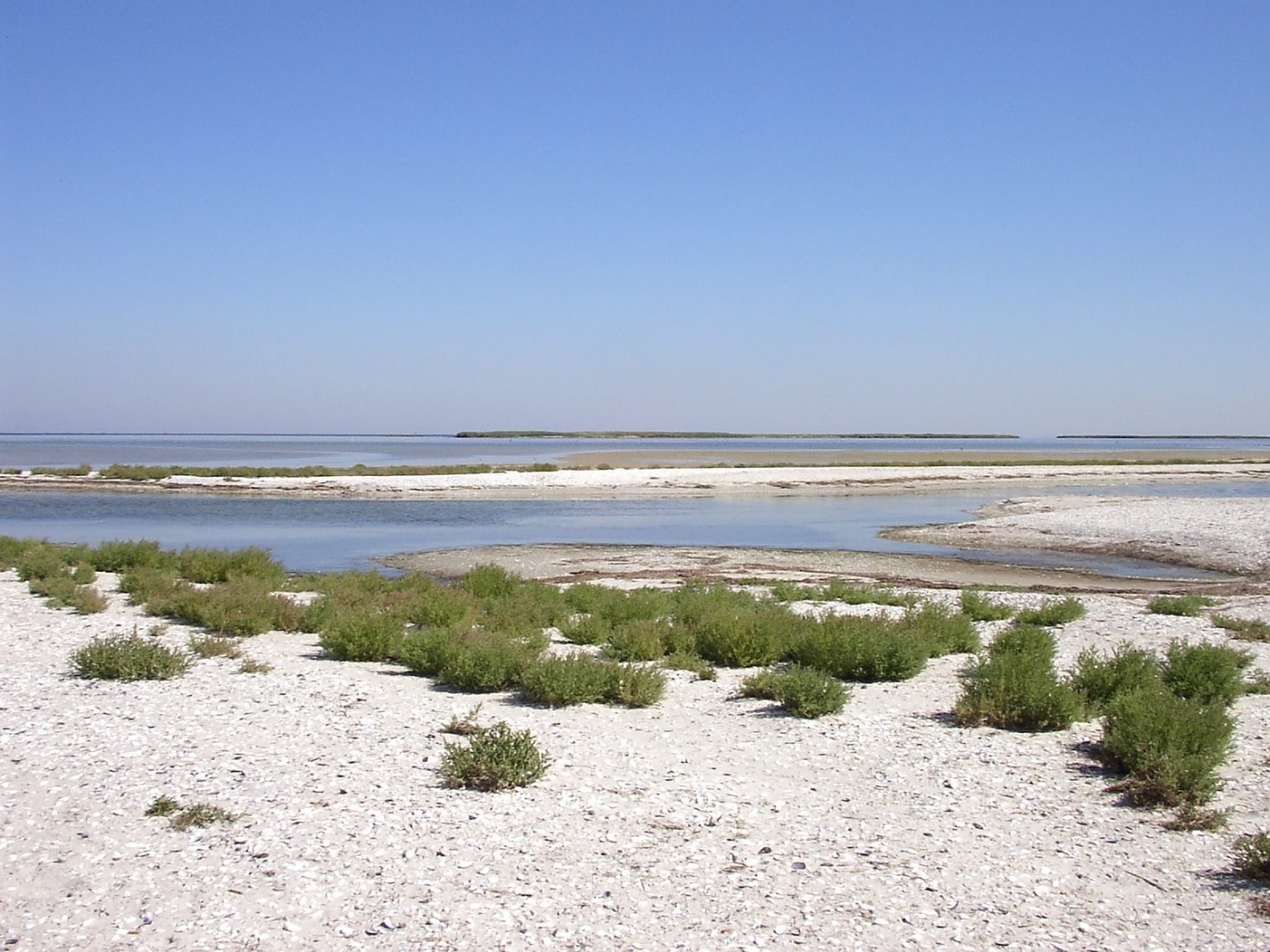
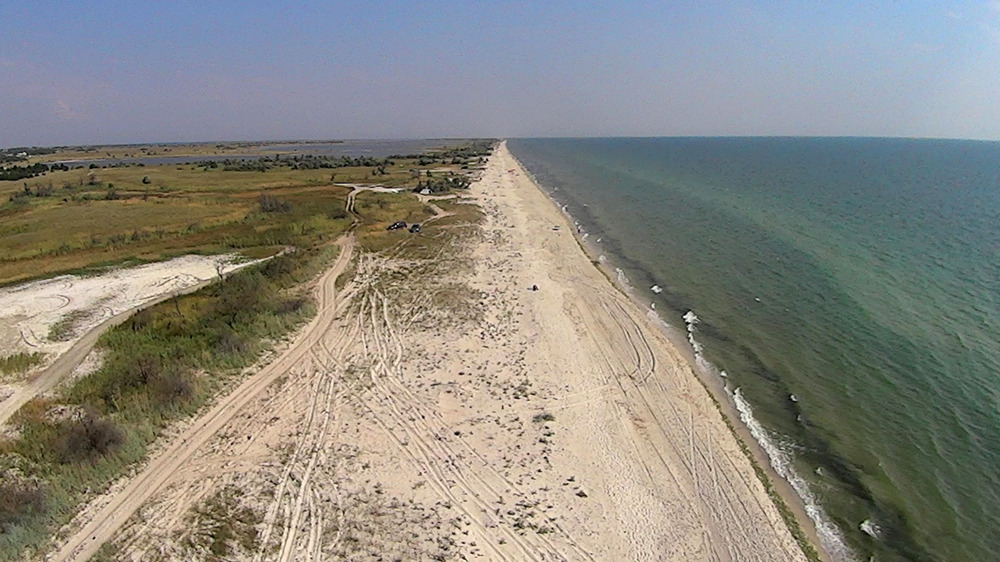
A special ecosystem has formed here, combining forests, steppes, lakes, wetlands and sands. Between the sandy dunes, in the lowlands, there are between 400 and 988 differently sized lakes — the number depends on when they are counted and increases during rainy periods.
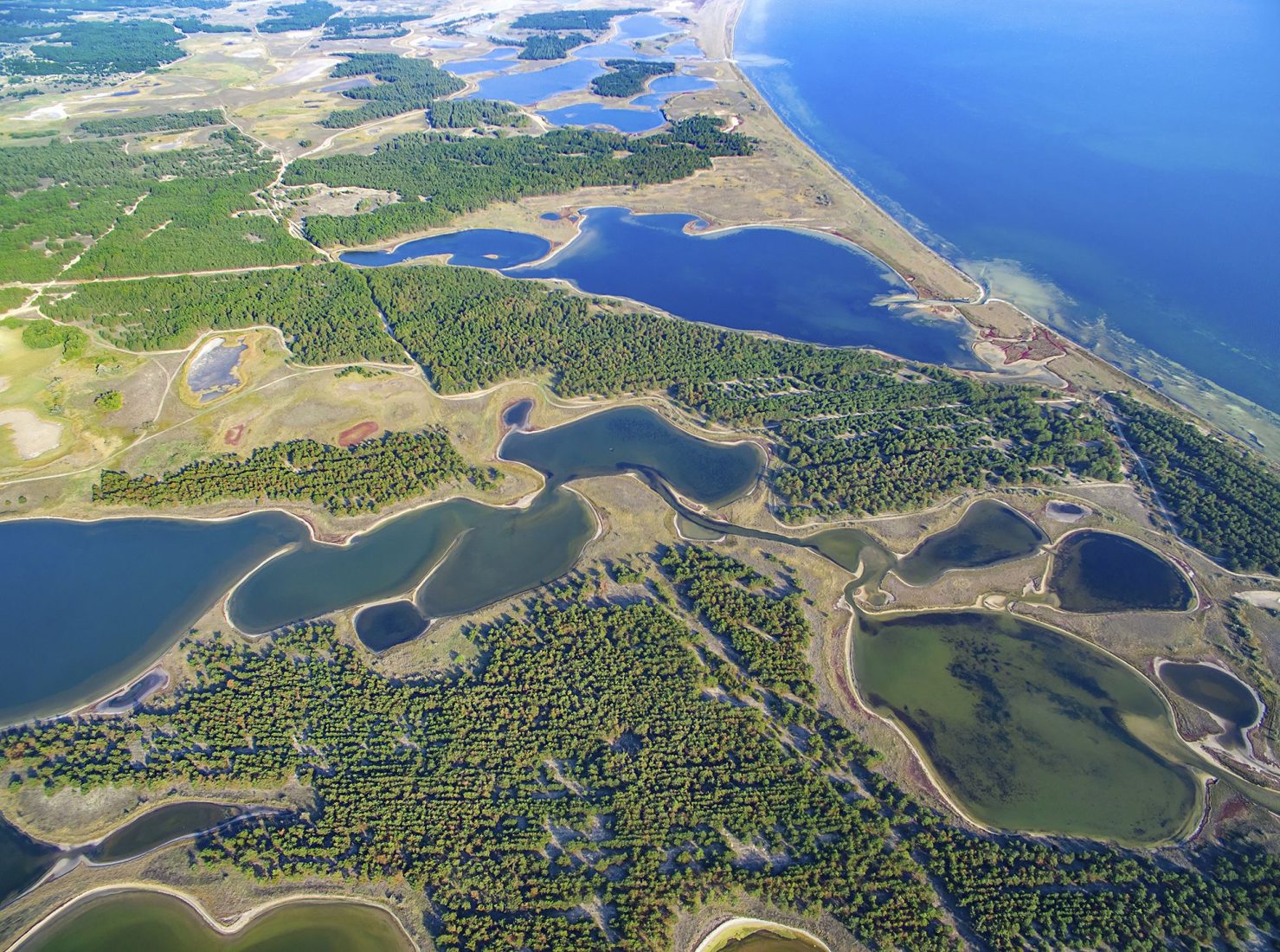
The natural Volyzhyn Forest, preserved since ancient times, and planted coniferous forests are located here. As early as the fifth century BCE, the ancient Greek historian Herodotus referred to the peninsula as Hylaea, meaning “land of forests”. This is why Volyzhyn Forest is also called the “Forest of Herodotus”.
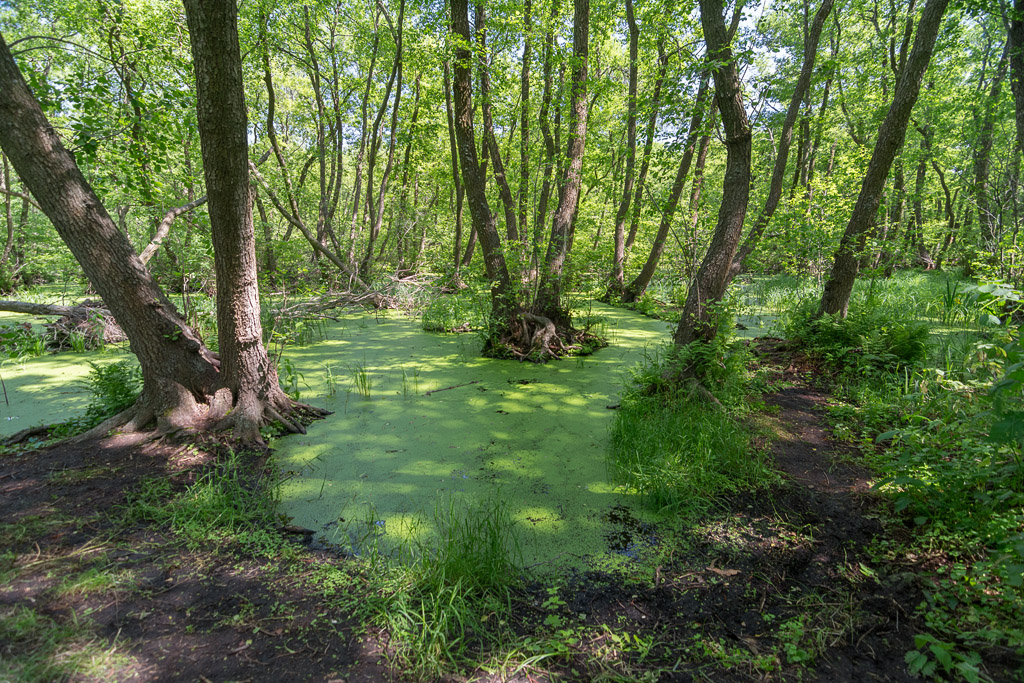
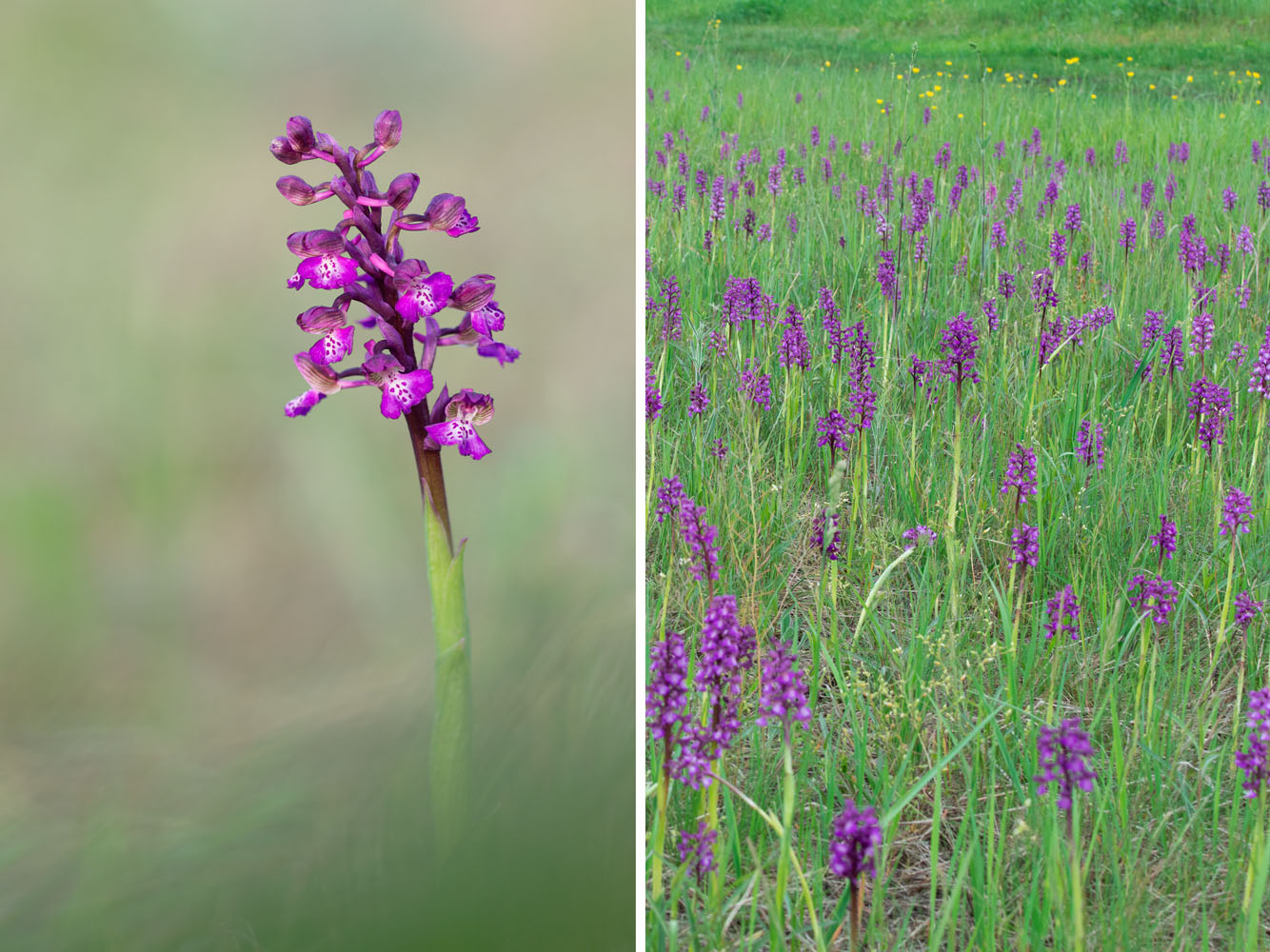
The peninsula is home to many species of plants, insects, birds and animals. Many are listed in the Red Data Book of Ukraine, and some are rare or endemic. Every spring, Europe’s largest orchid field blooms here; it supports four orchid species, all listed in the Red Data Book of Ukraine.
Before the full-scale invasion, Kinburn was a natural migration route for birds. About 280 bird species wintered or nested here, many of them listed in the Red Data Book. Flocks of great white pelicans could be observed during the warmer months, while white-tailed eagles could be seen in winter.
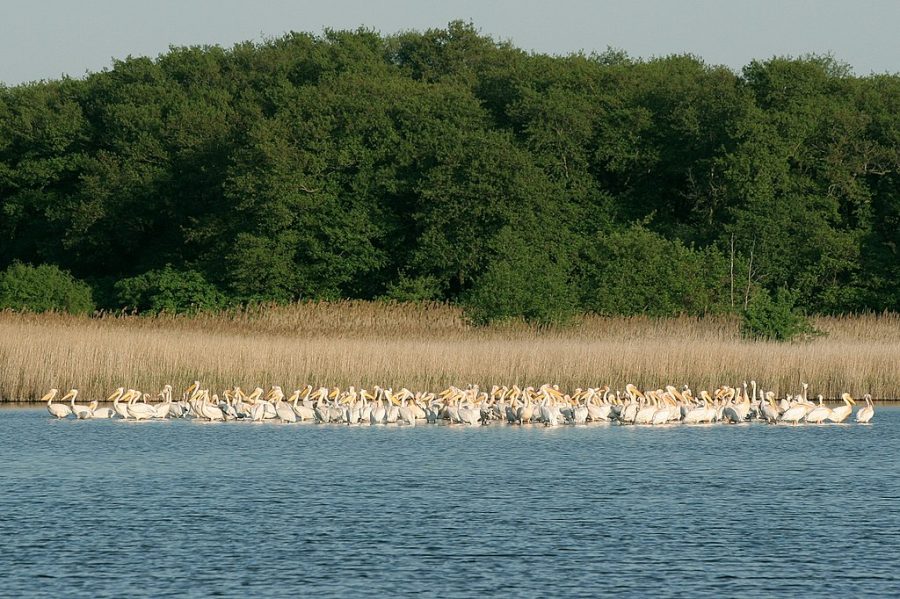
It was specifically to protect the birds of southern Ukraine that the Black Sea Biosphere Reserve, was established in 1927; two of its sections are located on the Kinburn Peninsula. After Ukraine declared independence, the Kinburn Spit Regional Landscape Park, was established on the peninsula, and in 2009 the Biloberezhzhia Sviatoslava National Nature Park.
The peninsula’s unique nature is also protected by international agreements. In 2016, the Kinburn Spit was included in Europe’s Emerald Network and is protected under the Bern Convention on the Conservation of European Wildlife and Natural Habitats.
Staff of protected areas cared carefully for Kinburn, its plants, birds and wildlife, built artificial islands for birds, conducted scientific research, organized educational events and excursions, and promoted knowledge of the peninsula’s unique nature. With some twenty kilometres of undeveloped bright-white sandy beaches and clean sea and lake water, Kinburn was a favourite destination for Ukrainians and visitors to the country, who called it the “Mykolaiv Bahamas”. That was how things were until the dark day of 24 February 2022.
A front line in the “Mykolaiv Bahamas”
From the first days of the full-scale invasion, Kinburn was occupied by the Russian army. In 2022, Ukraine’s defence forces managed to liberate almost all of Mykolaiv Oblast, but the Kinburn Peninsula remains under Russian occupation. This allows Russian forces to block ships leaving the ports of Mykolaiv and Kherson and to shell Ochakiv and other towns and villages of Mykolaiv and Kherson oblasts from close range. For two and a half years, this unique area has been subjected to constant artillery exchanges; heavy military equipment moves across the sandy dunes, and ancient Hylaea has been cut up by fortifications.
“In effect, the front line runs across the Kinburn Peninsula,” Kostiantyn Redinov, ornithologist and acting director of the Kinburn Spit Regional Landscape Park, told Green Leaf. “Many negative factors now affect the peninsula’s animals and birds: fires, pollution of land, water bodies and air, mining, and flooding caused by the destruction of the Kakhovka HPP.”
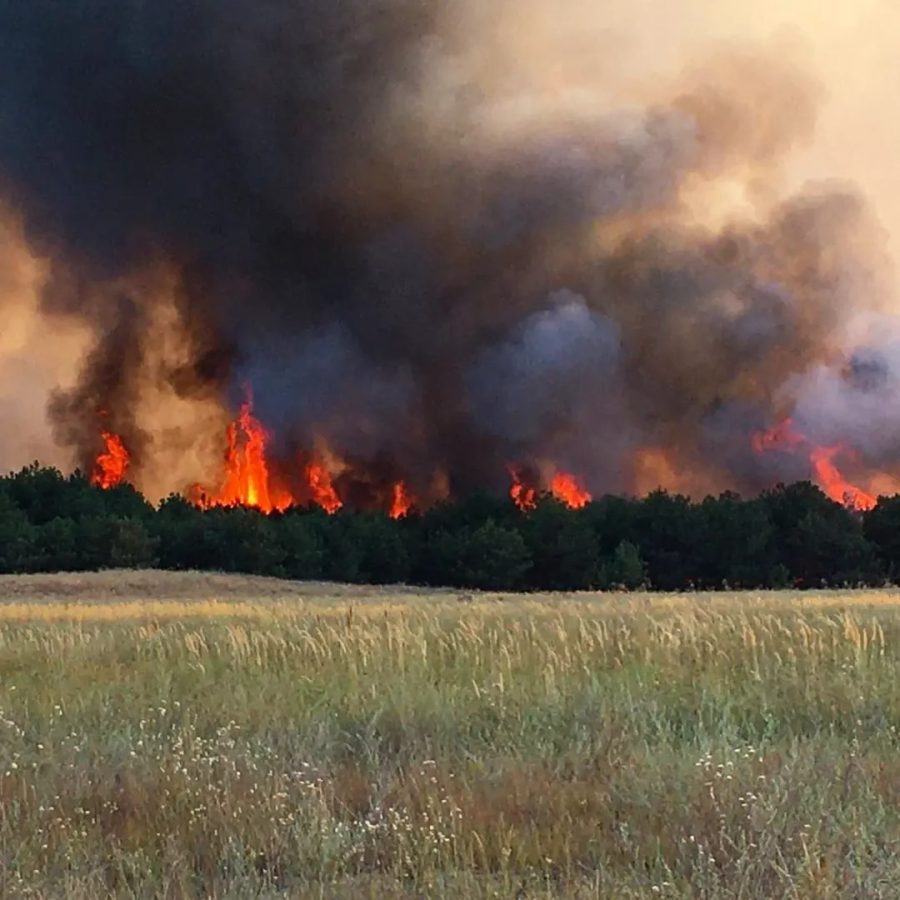
Fires cause the greatest damage to the peninsula’s nature. Ecologists say Kinburn has never experienced fires on this scale in its history. Vast areas are affected; dry land burns, Volyzhyn Forest burns, and thousands of planted pine trees burn. Blackened ground now occupies places once known for unforgettable natural beauty.
As reported by the Ministry of Environmental Protection and Natural Resources of Ukraine, 131 fires were recorded on the Kinburn Peninsula during the first year of the full-scale invasion, affecting more than 5,000 hectares. Most fires were recurrent and burned the same areas several times. This is shown by an analysis conducted by staff of Biloberezhzhia Sviatoslava National Nature Park using Sentinel-2 satellite data. Up to four million trees on the peninsula were affected by fires.
One of those conducting satellite monitoring is Yevhen Kasianov, a researcher in the scientific department of Biloberezhzhia Sviatoslava National Nature Park. Recent statistics show that between 23 February 2022 and 12 June 2024, 265 fires occurred on park lands, affecting 7,430 hectares. Yevhen said the largest fire, covering 5,600 hectares, occurred in June 2022. This year alone, 100 fires have already been recorded on the lands of ancient Hylaea. The monitoring data are collected on a special map.
Fires are also affecting one of Ukraine’s oldest and best-known reserves in the world — the F. E. Falz-Fein Askania-Nova Biosphere Reserve, famous for its collection of ungulates, where the Red Data Book-listed common crane nests and many other rare birds live.
Askania-Nova staff also monitor the reserve remotely. They have counted seven major fires, most caused by the occupation and the deployment of Russian armed formations on reserve territory. One fire occurred on 22 August 2023 in the Velykyi Chapelskyi Pod area, where ungulates are kept; the burned area was estimated at about 350 hectares. According to reserve director Viktor Shapoval, the ungulates survived, but the fire damaged plant communities listed in the Green Data Book of Ukraine, as well as invertebrates and reptiles.
Staff of occupied NRF sites who live in Ukrainian-controlled territory can fairly be called heroes. Despite constant shelling of Kherson and Mykolaiv oblasts and hours-long power cuts, they monitor the condition of occupied territories, write books, publish reports, organize seminars and round tables, tell journalists what is happening on the spit, and strongly believe their institutions will return to life after victory.
Silent victims of war
The armed forces on both sides use a wide arsenal of weapons, military equipment and ammunition, causing severe pollution and ecosystem destruction. Soil ecosystem structure is destroyed and its functions disrupted, leading to vegetation degradation and declines in the populations of most biological species.
“Natural steppe areas of Kherson, Mykolaiv and Odesa oblasts are extremely vulnerable because of climate change and landscape characteristics,” explains Green Leaf head Vladyslav Balinskyi. “Europe’s largest man-made desert, the Oleshky Sands, illustrates this very clearly. Landscape changes caused by mass fires, shelling, fortification construction and the movement of heavy equipment lead to soil degradation, large-scale erosion and landscape transformation. In our case, given aridification and rising temperatures, we are talking about desertification.”
All these factors have a devastating effect on the ecosystems of the Kinburn Peninsula and could lead to the disappearance of many plant species. This would deprive the sandy blind mole-rat, which feeds on plant roots, of food, threatening irreversible consequences throughout the chain of organisms linked to the species. The loss of other Kinburn endemics — the short-headed knapweed, Dnipro birch and Falz-Fein jerboa — could also become an irreparable biodiversity loss.
Specialists from the Ukrainian Nature Conservation Group compiled a list of rare plant species whose conservation is threatened by Russia’s war against Ukraine. Warfare directly destroys vegetation and natural habitats. The list includes as many as eight species of knapweed — one of Ukraine’s symbols — including unique Lower Buh species: Centaurea margarita-alba, Centaurea margaritacea and Centaurea protomargaritacea.
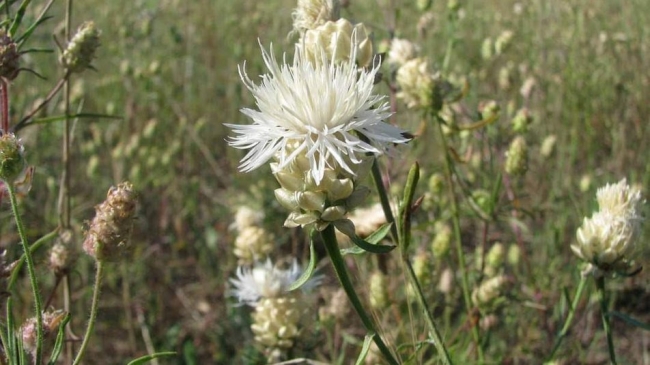
War-related factors threaten rare species above all within protected areas, where these species survive and where the conditions necessary for their life exist.
“Because we have no access to the territory of our park, we cannot say exactly what is happening there; we can only make forecasts,” Kostiantyn Redinov says.
Such a forecast was made in the book “Birds of the Kinburn Spit”, published in 2023 by Kinburn Spit Regional Landscape Park director Zenovii Petrovych and Kostiantyn Redinov. The authors consider birds the best-studied group of animals on the Kinburn Spit and therefore useful indicators of changes caused by warfare. They state that rare nesting species listed in the Red Data Book of Ukraine have definitely suffered on Kinburn. Yet the study ends with an optimistic forecast: “The species diversity of birds on the Kinburn Spit will increase over time. New species already observed by researchers in adjacent areas can be expected to appear.”
Kostiantyn Redinov remains optimistic: the Kinburn Spit will withstand this assault; nature will “take its course” and recover after de-occupation. But it will be different from the place we knew. It will take decades to demine the territory, remove the remains of burned trees, and restore vegetation and habitats for animals and birds. The ecologist says the orchid field is still alive and has not been destroyed. The sandy blind mole-rat, sheltering from shelling beneath the dunes, also has a strong chance of survival.
The killers of Black Sea dolphins have names. And those names are Russian
Warfare threatens every protected area along the Black Sea and Sea of Azov coasts. Russia’s aggression has caused mass dolphin deaths, changed migratory routes of birds and destroyed nesting sites of rare species. The Black Sea Biosphere Reserve and the Azovo-Syvaskyi, Dzharylhatskyi and Meotyda national nature parks have effectively found themselves in the combat zone. Because of the war, protection services at these areas cannot ensure adequate conservation, staff safety or preservation of rare species.
Another important factor impoverishing wildlife in Ukraine’s protected areas is the removal of rare animals by Russian occupying forces, as has occurred at the Askania-Nova Biosphere Reserve. In December 2023, Ukraine’s Minister of Environmental Protection and Natural Resources Ruslan Strilets reported that several Chapman’s zebras, American bison, Przewalski’s horses and Père David’s deer had been taken from the Askania zoo to Russia. These species are protected and appear on the IUCN Red List with statuses including “Extinct in the Wild”, “Endangered” and “Near Threatened”.
Danger exists not only at protected areas under occupation or immediately adjacent to the front line, but also in so-called frontier regions — areas near the front, approximately 50–100 km from the line of combat contact.
One such region today is Odesa Oblast, and its territory contains 131 NRF sites, including 19 of national significance. The largest include the Danube Biosphere Reserve, the Nyzhniodnistrovskyi National Nature Park, Tuzly Estuaries National Nature Park and Kuialnyk National Nature Park, which was established in January 2022 but has still not become operational.
Since early March 2022, staff of Tuzly Estuaries National Nature Park have been finding dolphin bodies on the Black Sea coast. These cases differed greatly from what they had seen before 24 February 2022. Previously, dolphin deaths were associated either with poaching or fishing: their fins had usually been cut off because fishers freed them from nets in this way before throwing the bodies back into the sea. After 24 February 2022, however, the bodies of dead dolphins appeared externally normal and undamaged.
Ivan Rusev, Doctor of Biological Sciences and head of the research department at Tuzly Estuaries National Nature Park, told Green Leaf that he had been analysing Black Sea cetacean deaths for two and a half years. His conclusion is that sonar systems used by Russian military vessels damage the animals’ health and lead to death. He says these systems cause acoustic trauma, after which dolphins lose the ability to orient themselves and hunt fish. Their immunity declines, allowing viruses in their bodies to become active.
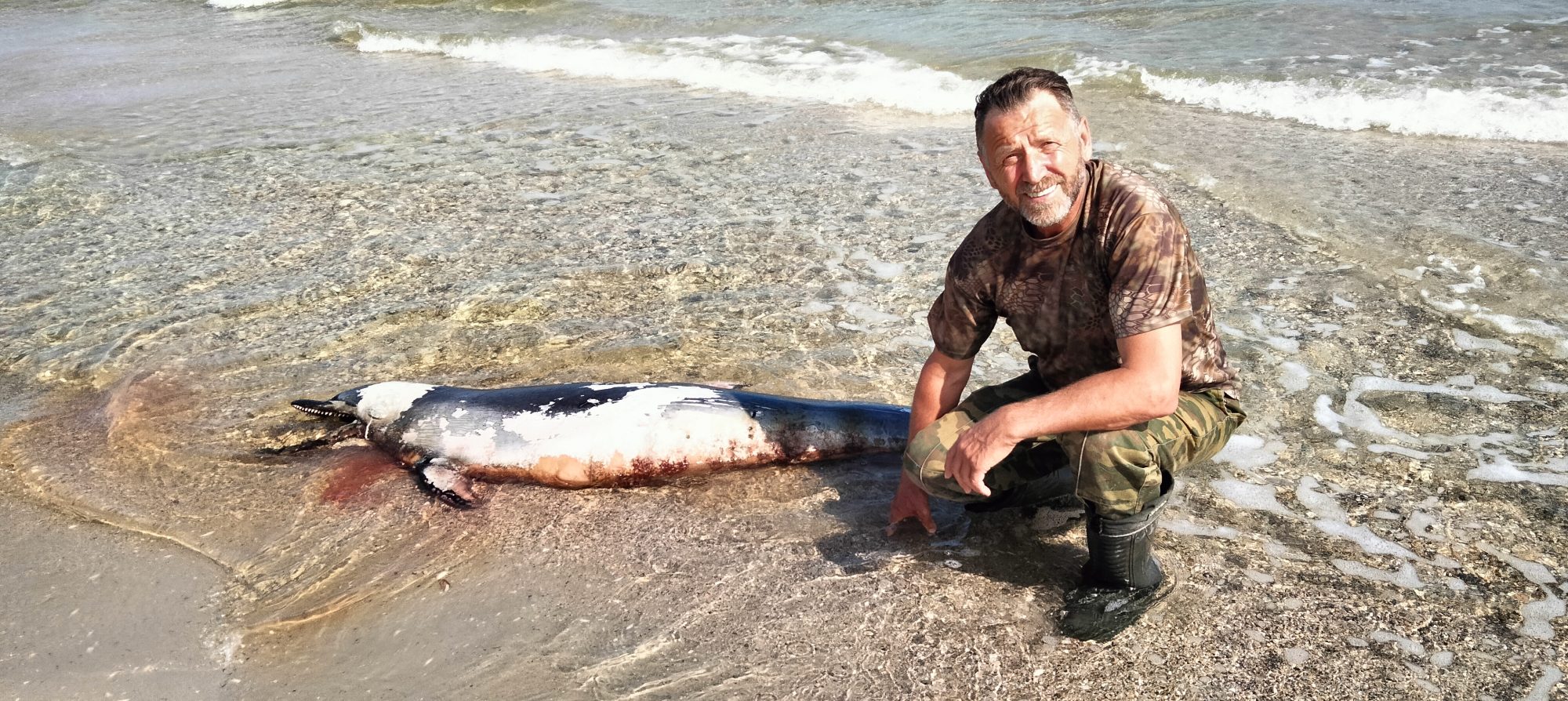
Photo from I. Rusev’s archive
The killing of dolphins in the Black Sea is one of numerous environmental crimes that Ukrainian authorities attribute to Russian occupying forces on Ukrainian territory. Law-enforcement agencies are treating the dolphin deaths as possible ecocide. Under the procedural supervision of the Odesa Prosecutor’s Office, the Security Service of Ukraine is investigating a case under Article 441 of the Criminal Code of Ukraine concerning Russia’s armed aggression and the mass deaths of Black Sea dolphins.
A total of 117 cetacean deaths were documented along Ukraine’s Black Sea coast in Odesa, Mykolaiv and Kherson oblasts and temporarily occupied Crimea. The data were collected in part through media and social-media reports. According to the Institute of Zoology of the National Academy of Sciences of Ukraine, acoustic trauma caused death in 15 cases. Six necropsies of dead animals were conducted during the investigation and biological samples were taken for further study. Forensic veterinary examination proved difficult because Ukraine has no official methodology for establishing a causal link between acoustic exposure and cetacean health. Ukraine is, however, a party to the international Agreement on the Conservation of Cetaceans of the Black Sea, Mediterranean Sea and Contiguous Atlantic Area (ACCOBAMS). Therefore, in January 2023 the collected samples were sent to specialists in EU countries: the University of Padua in Italy and the University of Veterinary Medicine Hannover in Germany.
The article states that the people responsible for dolphin deaths can be identified. Ukrainian military intelligence has identified Russian servicemen it alleges were involved. According to satellite imagery, since the start of the full-scale invasion more than 30 Russian surface and submarine military vessels equipped with sonar systems have operated in the Black Sea. More than 500 missiles have also been launched from the Black Sea at Ukrainian territory, with impacts on marine life as well.
Based on the research received, the Odesa Regional Prosecutor’s Office plans to pursue criminal liability for Russian servicemen first at the national level. The article says this may contribute evidence for proceedings concerning the aggressor state before the International Criminal Court.
Ivan Rusev believes that all three cetacean species inhabiting the Black Sea and Sea of Azov — bottlenose dolphins, harbour porpoises and common dolphins — urgently need protection from the consequences of war. To help conserve them, Tuzly Estuaries National Nature Park, together with the Institute of Zoology of the National Academy of Sciences of Ukraine and the Ukrainian Society for the Protection of Birds, submitted documents to the Ministry of Environment proposing a marine reserve in the north-western Black Sea. The ministry approved the petition and forwarded the documents to the Odesa Regional Military Administration, Rusev said, but the regional administration has not rushed to consider the issue.
The Black Sea echo of the Kakhovka tragedy
On 6 June 2023, following what Ukrainian authorities describe as the Russian army’s destruction of the Kakhovka Hydroelectric Power Plant, about 80,000 hectares of protected areas were flooded. The destruction of the dam caused an environmental disaster. Protected areas were fully or partly flooded, including the Nyzhniodnistrovskyi, Kamianska Sich and Biloberezhzhia Sviatoslava national nature parks and the UNESCO-protected Black Sea Biosphere Reserve. These areas include wetlands of international importance protected under the Ramsar and Bern conventions.
Because of the flooding of Nyzhniodnistrovskyi National Nature Park, habitats for 1,016 flora species and 1,140 fauna species were destroyed; some of them are listed in the Red Data Book of Ukraine, including rare and endemic species.
In Zaporizhzhia Oblast, the event completely drained the Velyki and Mali Kuchuhury Archipelago and Sim Maiakiv Floodplain wetlands and the water area of Velykyi Luh National Nature Park. This threatens the survival of waterbirds that nested on the islands and in the floodplains.
The consequences of the tragedy were felt by almost all protected areas of southern Ukraine, including Odesa Oblast. Water bodies in Kherson, Odesa and Mykolaiv oblasts recorded significant exceedances of sanitary-chemical, microbiological and toxicological indicators.
Along with the remains of homes destroyed by flooding in Kherson Oblast, Dnipro waters carried protected freshwater newts into the Black Sea. Two protected newt species — Triturus cristatus, the great crested newt, and Triturus dobrogicus, the Danube crested newt — inhabited the lower Dnipro. Both populations were disrupted and washed out of their normal habitat. The animals died or became “forced migrants”. Staff of Tuzly Estuaries National Nature Park rescued 55 newts and transported them to the Danube Biosphere Reserve, where they were released at different sites along the Danube.
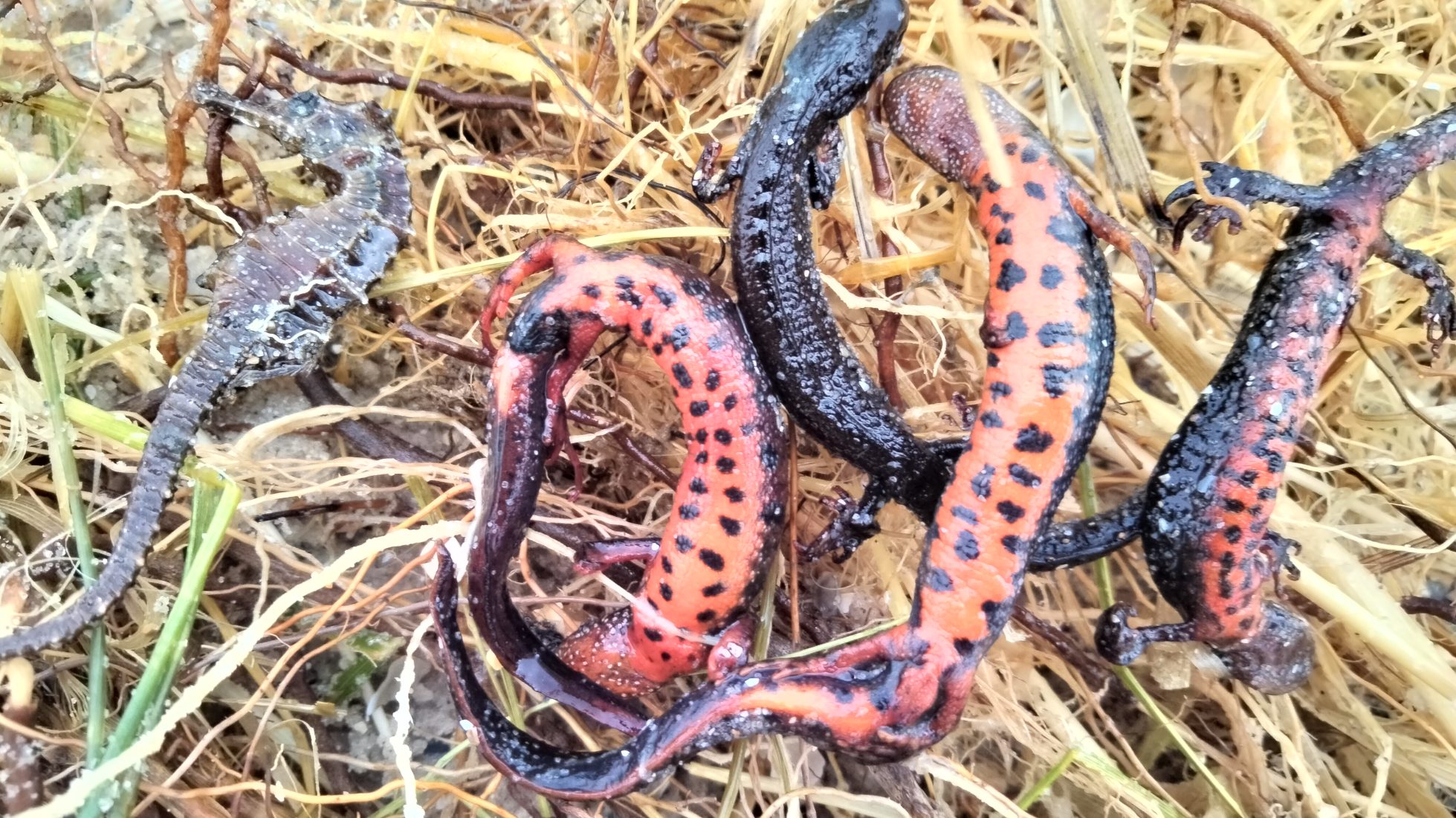
Returning Ukrainian nature to a more natural state
The Danube Biosphere Reserve, which is home to 45 mammal species and countless other animals, where more than 350 bird species live, winter and nest, and where beluga sturgeon and other sturgeon species occur in its waters, is part of the World Network of Biosphere Reserves within the bilateral Romanian-Ukrainian Danube Delta Biosphere Reserve.
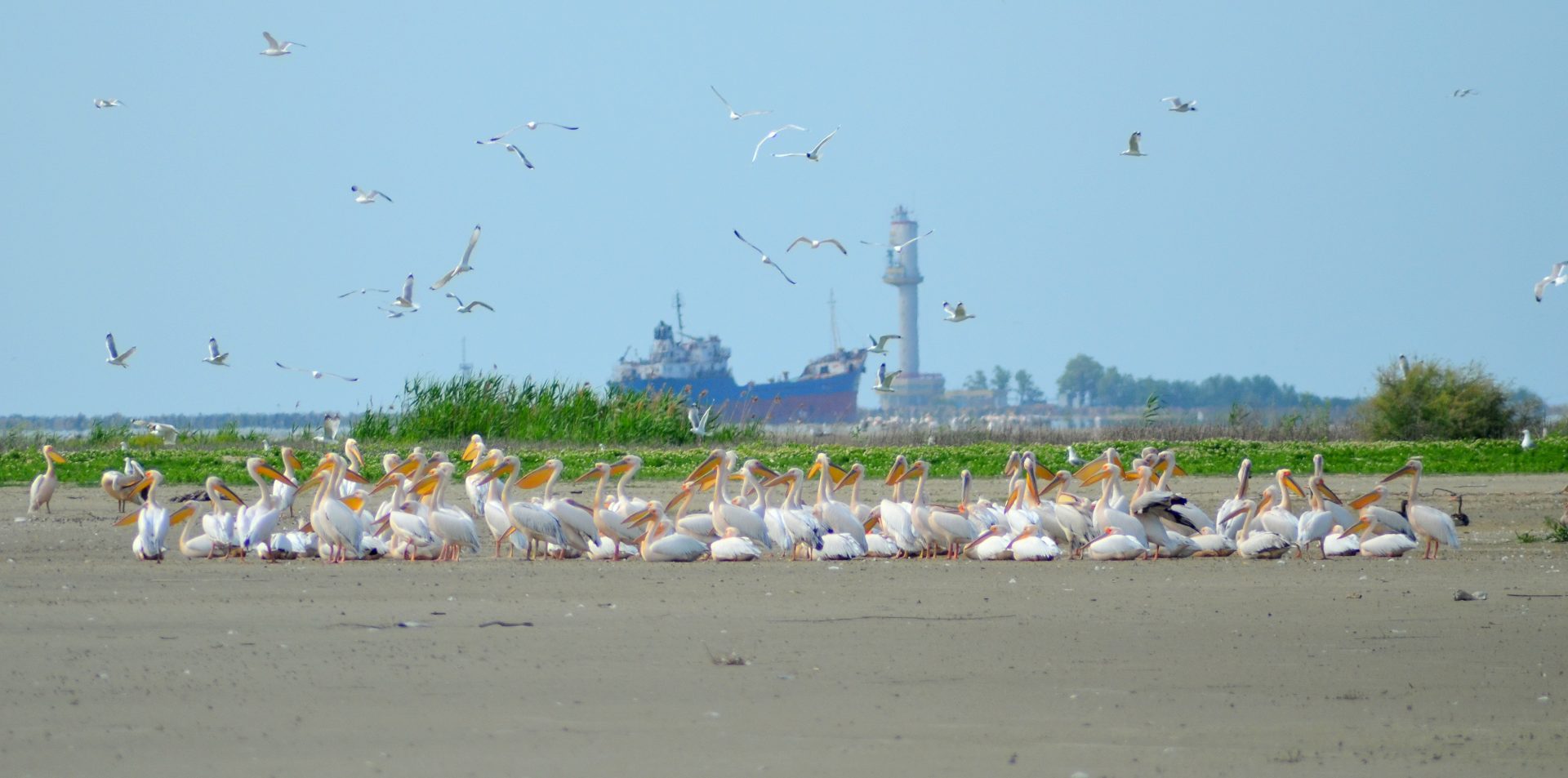
Like other protected areas in Odesa Oblast, the reserve suffers from the war. Constant Russian strikes on Danube ports, explosions and fires terrorize residents of this part of Bessarabia and disturb the wildlife and birds of the Danube Delta. In July 2022, after Snake Island was liberated, shipping through the Bystre mouth — an artificially deepened channel in the Danube Delta — was reopened. Ukraine carried out dredging of the channel. Since then, another strong disturbance factor for birds and animals, as well as coastal-soil erosion, has been added to the other pressures on the Danube Biosphere Reserve. Conservationists are also concerned about oil slicks on the Danube in southern Izmail district, which have recently appeared increasingly often near Vylkove and pollute both the Ukrainian and Romanian parts of the delta, including the UNESCO transboundary Danube Delta Biosphere Reserve. Environmentalists are calling on authorities to strengthen control over compliance with environmental legislation by vessels anchored near Vylkove.
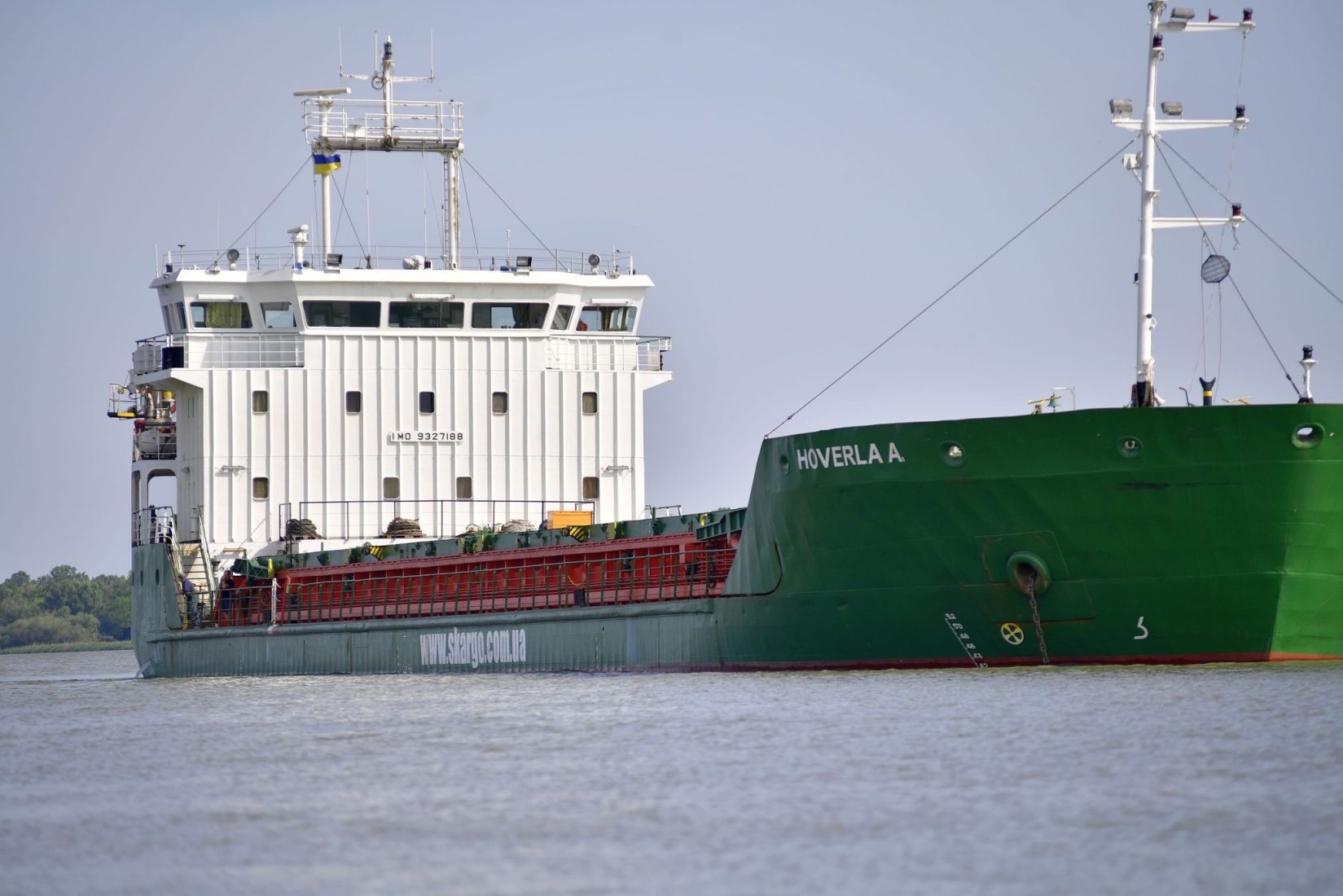
Since the second half of 2023, the Danube Biosphere Reserve has been closed to tourists. Despite the war, however, a major rewilding programme continues here, launched in 2019 by Rewilding Ukraine.
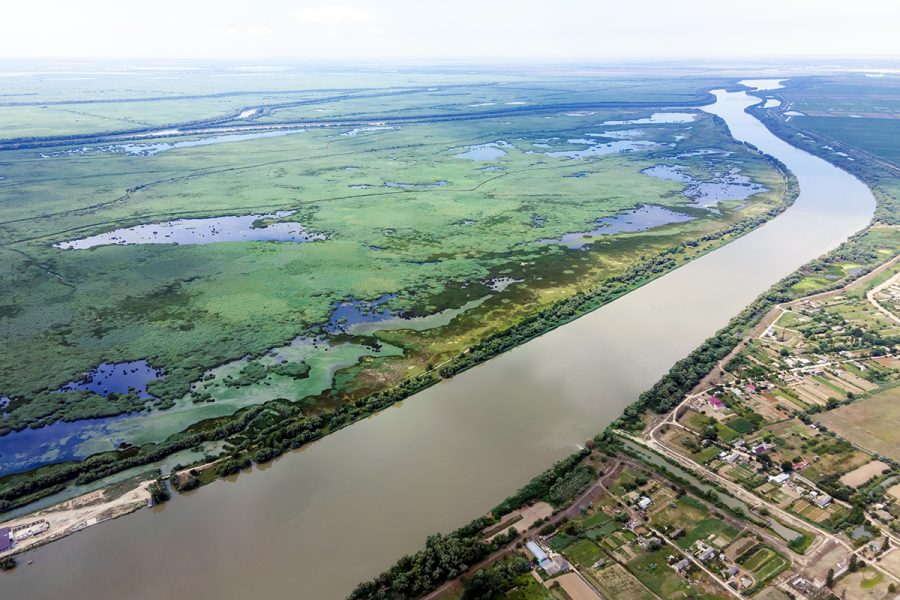
The team’s main goal is to support the return of wild animals to landscapes, reintroduce species, expand populations and protect them. Ukrainian rewilding specialists have focused heavily on one island in the Danube Delta — Yermakiv Island — because it suffered greatly from human impact and some bird and animal populations disappeared completely.
They now have to be literally reintroduced, thereby restoring the lost biological balance of the delta ecosystem. In 2009, a WWF project restored most of the island to a natural state. In 2019, Rewilding Ukraine continued restoring natural processes on the island by bringing in a herd of water buffalo from Zakarpattia and a herd of wild tarpan-like horses from reserves in Latvia.
The ancestors of these buffalo lived in the Danube Delta 50 years ago and returned in summer 2019 thanks to Rewilding Ukraine. Two groups of buffalo were brought from the Tysa River valley in Zakarpattia, where German ecologist and activist Michel Jacobi had carefully assembled them. Project authors believe the animals will help preserve mosaic landscapes and island biodiversity because they are excellent “architects” of nature. By thinning shrubs and reed beds, they create small pools and puddles where various insects, amphibians and fish can live. Buffalo also attract tourists to the region.
The return of buffalo to the Danube Biosphere Reserve has been named one of six successful species-return stories, alongside beavers in the United Kingdom, wolves in Yellowstone National Park, blue wildebeest in Serengeti National Park in East Africa, plains bison on the American prairie and musk oxen in the Arctic.
This year, six more female buffalo joined the existing herd, which has already adapted well to the Danube Delta and produces calves every year. In the future it will serve as a “bank” of buffalo for settlement in other parts of the delta.
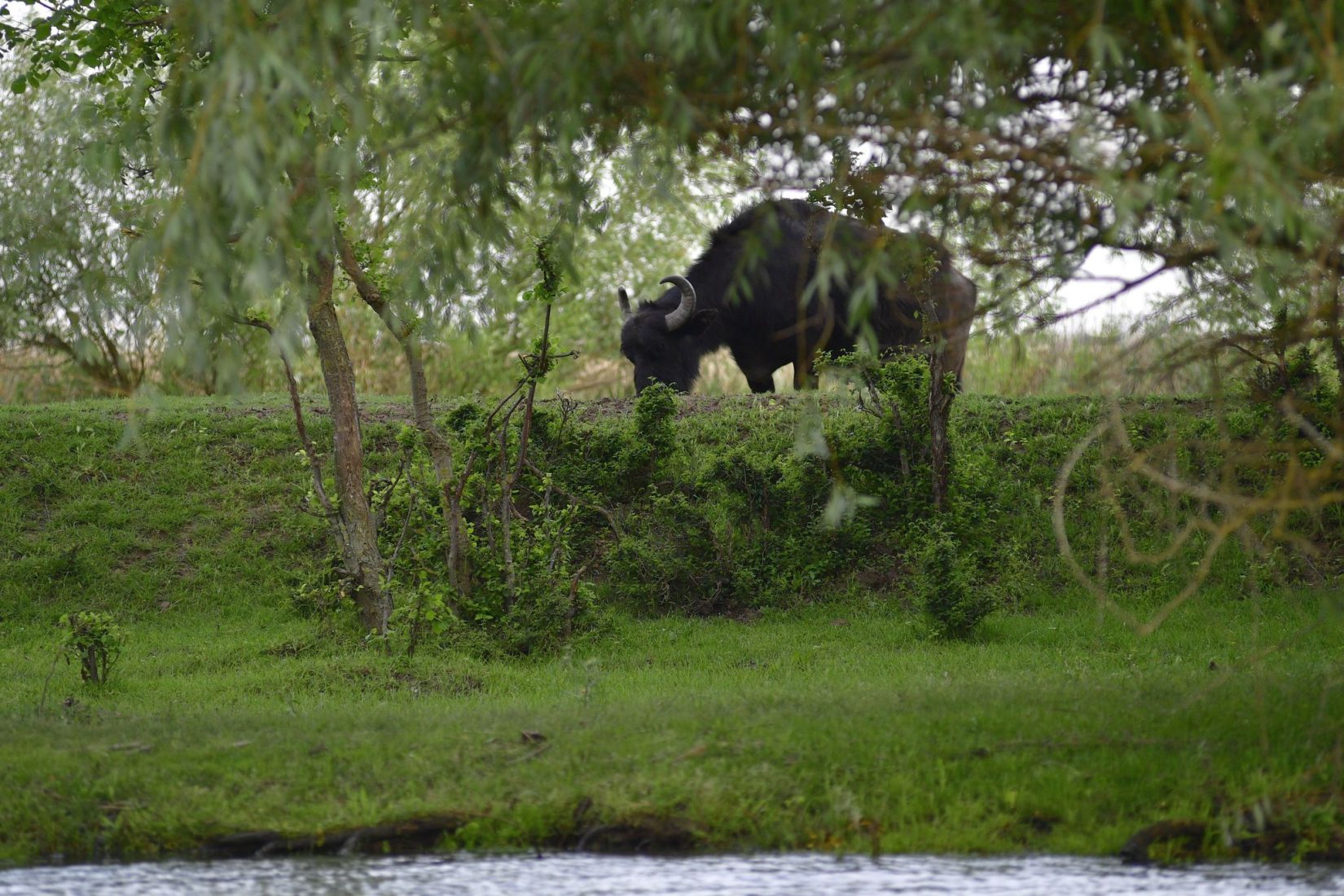
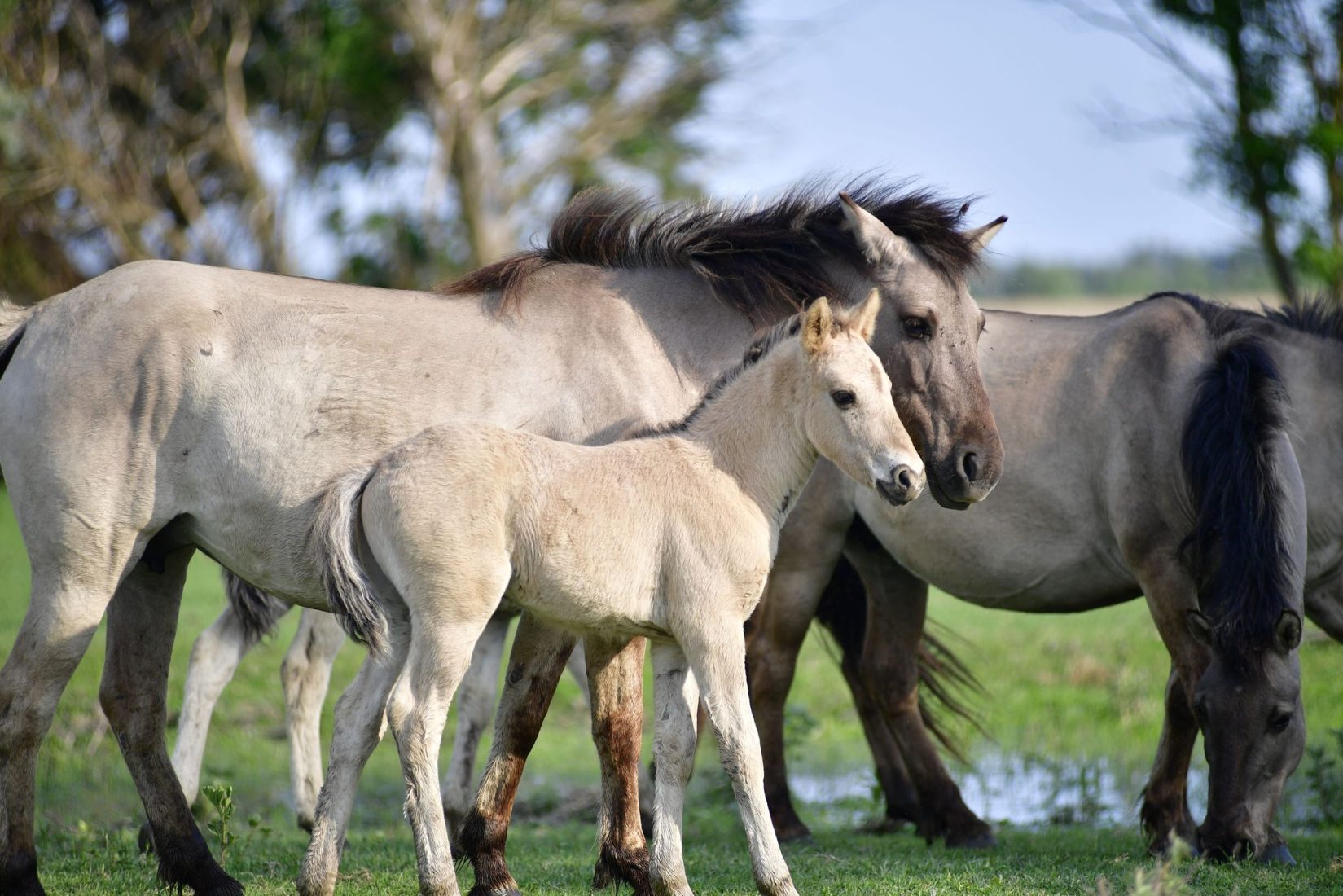
Yermakiv Island is now described as a unique ecological laboratory. It has developed its own distinctive ecosystem and become a kind of testing ground for ecological research. Today the island is one of the richest areas of the Danube Biosphere Reserve in terms of biodiversity. Many bird species live here, including Dalmatian and great white pelicans, white-tailed eagles and others.
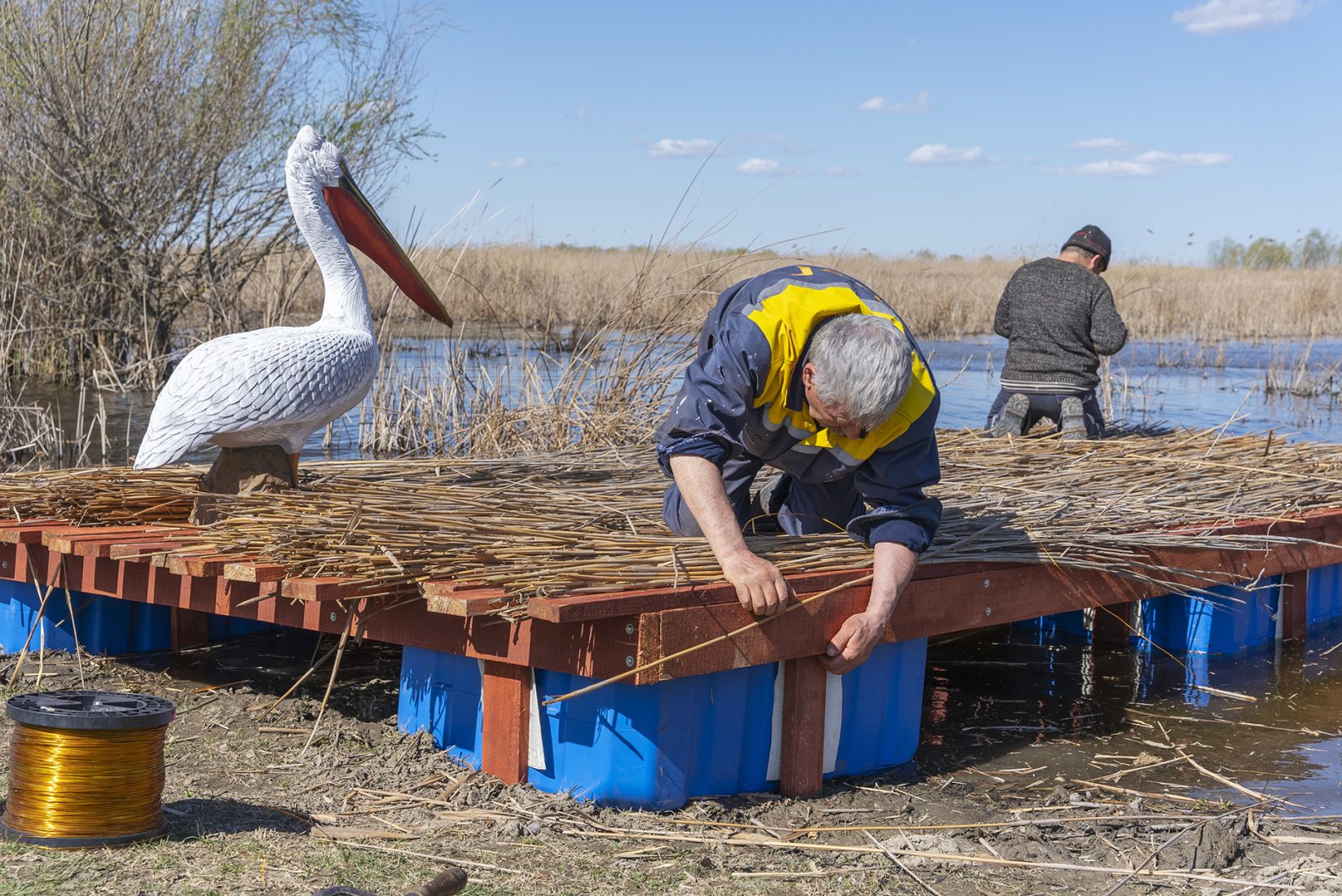
Recently, the Rewilding Ukraine team built a number of artificial nesting platforms at different sites in the Ukrainian part of the Danube Delta to support recovery of the Dalmatian pelican population. This year they built another large platform with an area of 3,500 square metres. The platforms were covered with reeds and fitted with pelican decoys intended to attract real birds.
Operation “Ring”
In 2023, amid the brutal war, 570 greater flamingos nested in Ukraine for the first time at the Tuzly Estuaries and produced almost 200 chicks. The elegant pink, long-legged birds caused a sensation because before that year they had only passed through these places during migration.
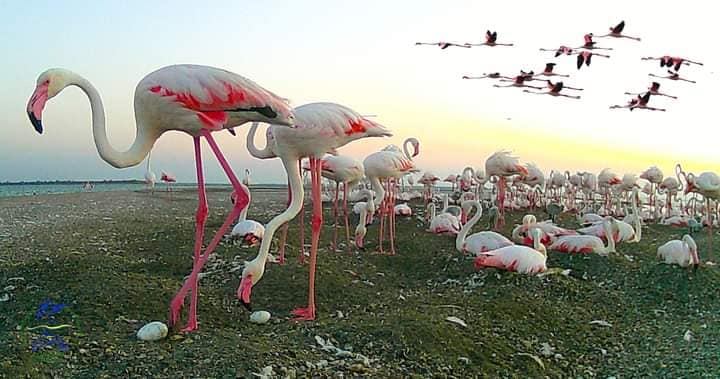
Flamingos first attempted to establish a colony in Ukraine in 2017, in Kherson Oblast at Lake Churiuk near Crimea, but later moved to the coast of the Tuzly Estuaries.
“Scout birds first appeared here in a large flock in 2021,” Ivan Rusev said. “That year, large numbers of chicks and adult flamingos died at the main flamingo colonies on Lake Tuz in Turkey. We predicted that they would nest here, and that is what happened. At the end of June 2023, they nested on the boundary between the large Tuzly estuaries of Shahany and Alibey. There the ‘Tuzly’ flamingos raised 192 chicks.”
Ukrainian ornithologists decided to use this extraordinary event as an opportunity and carried out a successful chick-ringing operation. The Ministry of Environmental Protection and Natural Resources announced Operation “Ring”: from the entire brood of not-yet-fledged but already fast-running birds, 18 young flamingos were caught and ringed. They received Ukrainian “passports” in the form of yellow rings bearing codes UA01–UA18.
This unique procedure was carried out in Ukraine for the first time. Staff of Tuzly Estuaries National Nature Park were assisted by the Ukrainian Society for the Protection of Birds and the Ukrainian Bird Ringing Centre.


The ringing process can be seen in this video made by Green Leaf NGO head Vladyslav Balinskyi.
In 2023, flamingos remained at the Tuzly Estuaries for a long time and left the national park only on 1 January 2024 under the impact of noise from various drones.
This year, more than a thousand flamingos returned to the estuaries in spring and began building nests. According to Rusev, however, their first colony was destroyed by a powerful storm that effectively washed nests off the islets of Karachaus Estuary. Later the flamingos formed a colony on islands in Khadzhyder Estuary, but they continued to be disturbed by explosions and the constant noise of UAVs.
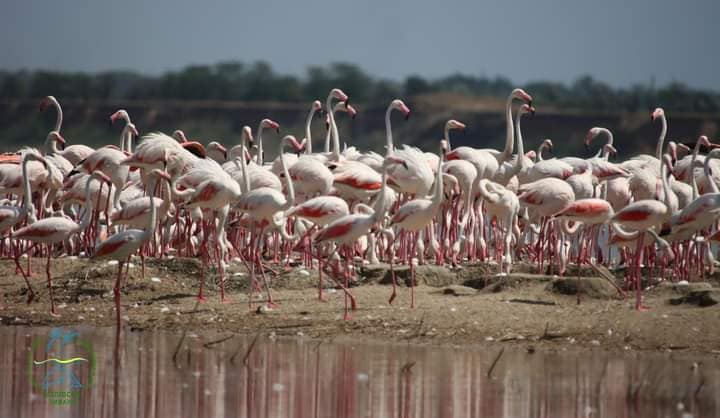
During periods of intense noise disturbance, aggressive yellow-legged gulls destroyed flamingo clutches. When disturbed, flamingos leave their nests and move away from the colony. At those moments, gulls nesting nearby destroyed the nests of their competitors. In this way the flamingo colony was completely destroyed.
At present, Rusev says, some flamingo flocks have moved to another national park in Odesa Oblast — Kuialnyk. This gives hope that, despite all the hardships, these graceful birds will remain in Odesa Oblast and in Ukraine.
This material was produced under a grant agreement financed by CFI, Agence française de développement médias, as part of the Hub Bucharest Project with the support of the French Ministry for Europe and Foreign Affairs.