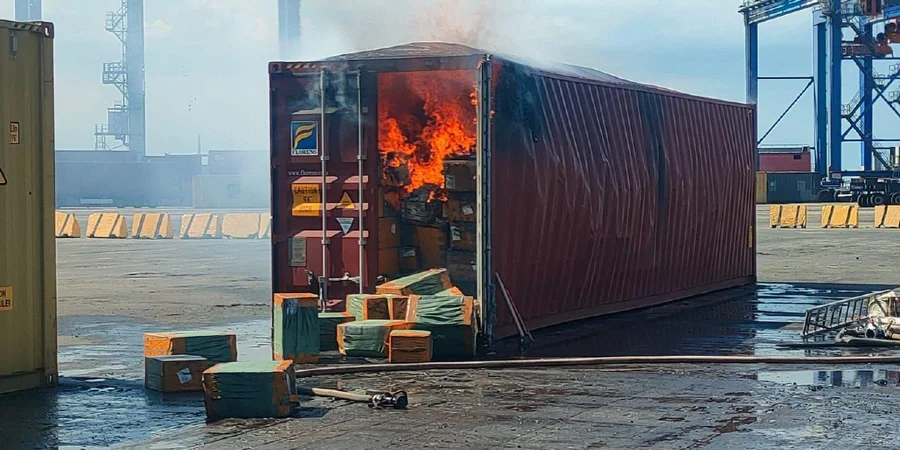

Chronicle of Russia’s War Crimes Against Ukraine’s Environment: Odesa Region, May 2025
May 2025 was no different from previous months: the same senseless terror against civilians by the occupying country, the destruction of civilian infrastructure and residential buildings, tears, pain and blood. War crimes by the Russian Federation against Ukraine and the Ukrainian people continue.
Read More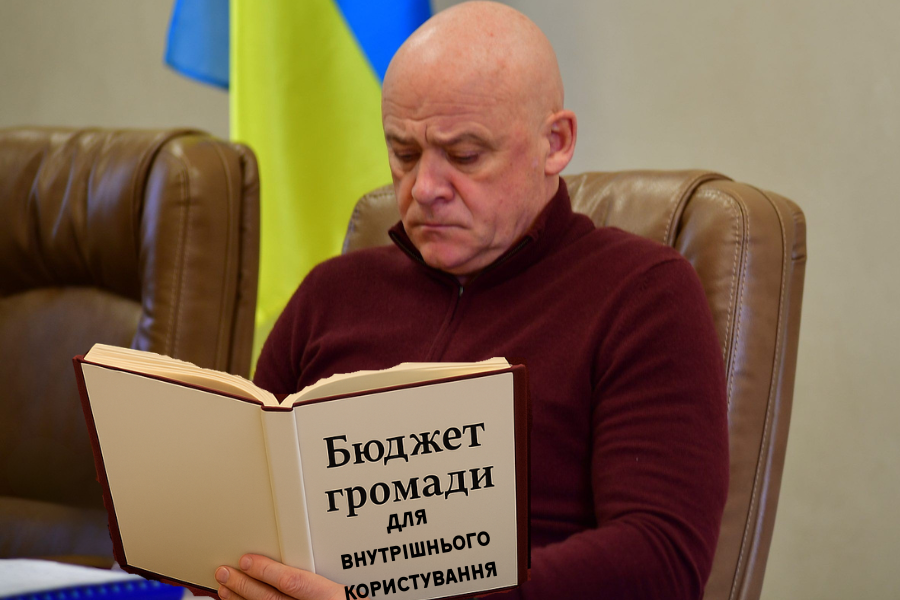

A Budget Without the Community: Why Odesa Is Still Outside the Law
On 8 January 2024, the Law of Ukraine ‘On Amendments to Certain Laws of Ukraine Concerning Democracy at the Level of Local Self-Government’entered into force. The law expanded opportunities for citizens to participate in local self-government and strengthened the accountability of councillors and community heads to residents.
In particular, Article 13-1 was added to the Law ‘On Local Self-Government in Ukraine’ — ‘Residents’ Participation in Planning and Allocating Local-Budget Funds’. It provides that community residents may participate in all key stages of the budget process: drafting, consideration, implementation and reporting on the budget. Local authorities must ensure such participation. To do so, it is sufficient to adopt a separate decision or amend the community Charter, defining the procedure and forms for citizens to submit proposals concerning the local budget.
Odesa has still not developed a procedure for citizens to participate in planning and allocating local-budget funds
In response to a request from the Green Leaf civic organisation, the city authorities reported that they had still not adopted any decision implementing the requirements of the amended law. In other words, despite having a legal right to do so, Odesa residents are not yet able to fully influence the budget process (see document).
This is the direct responsibility of Mayor Hennadii Trukhanov. Under Part 4 of Article 42 of the Law of Ukraine ‘On Local Self-Government in Ukraine’, he is required to ensure implementation of Ukrainian laws in the city and organise the work of the council’s executive bodies.
It is also worth recalling an earlier attempt by the state to establish public participation in the budget process. Earlier, the Ministry of Finance of Ukraine provided communities with methodological recommendations on involving residents in the budget process. But in Odesa those proposals were also largely ignored. Instead of real mechanisms for participation in the budget process, amendments to the city’s current budget regulations introduced only a formal reference to a ‘procedure for conducting budget discussions on draft budgets’. No regulatory document explains what exactly is meant by this term.
Odesa will soon begin preparing the draft city budget for 2026. But whether residents themselves will be involved in that process remains a major question.
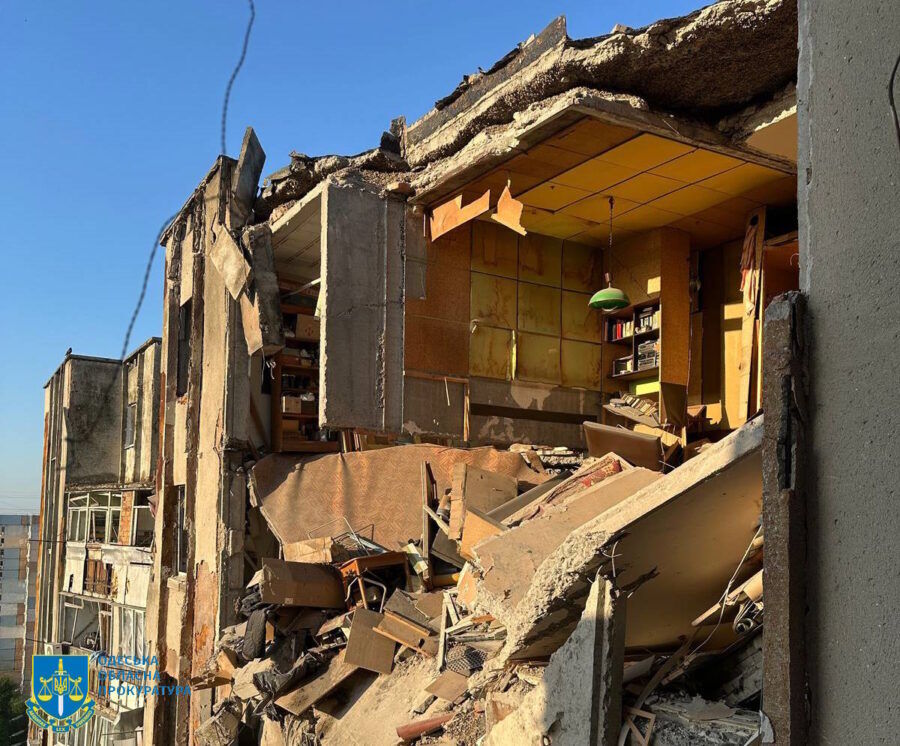
Chronicle of Russia’s War Crimes Against Ukraine’s Environment: Odesa Oblast, April 2025
In April 2025, the army of the terrorist state continued committing war crimes, striking residential areas in Ukraine, including Odesa Oblast.
Read More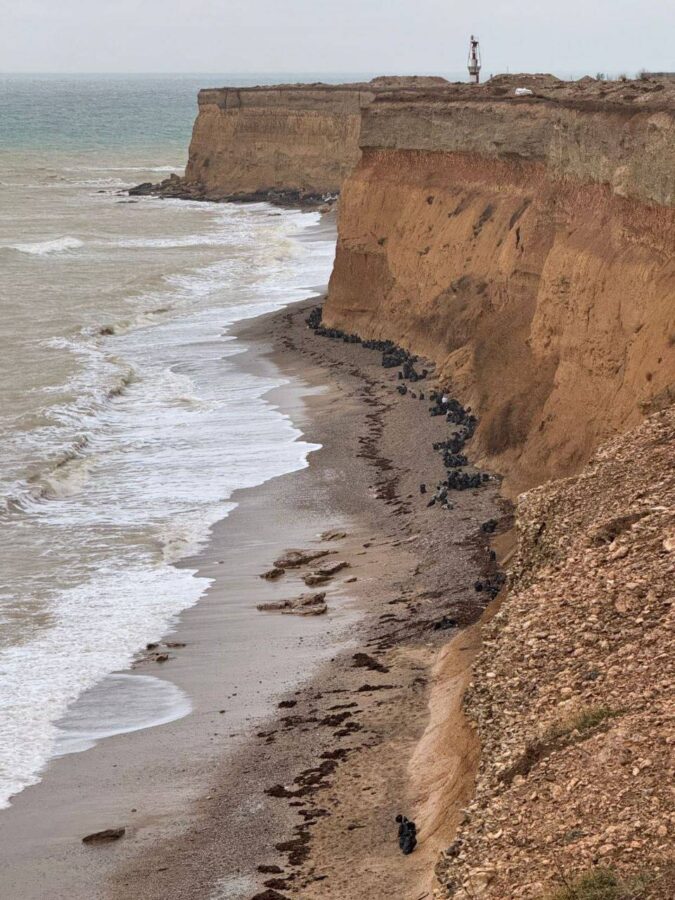
“These Are Two Different Fuel Oils”: New Details of Black Sea Pollution After the Volgoneft Tanker Disaster
On 9 March, additional information appeared on Russian social media about the nature of the fuel oil whose contamination of the Black Sea waters and coastline began after the Volgoneft tanker disaster on 15 December 2024. This was reported by the Association of Reintegration of Crimea.
“One fuel oil melts and flows while the other still lies in lumps”

Photo — Association of Reintegration of Crimea
According to the Association: “The warmer weather that arrived in occupied Crimea revealed new properties of the fuel oil that continues to be washed ashore by the sea. As collectors write, it turned out that ‘these are two different fuel oils’. ‘In the warmth … some of the fuel oil collected on the beach remained in cakes, while some melted and flowed downward, soaking into the sand.’
As it ‘suddenly’ became clear almost three months later, ‘the tankers carried fuel oil from two different refineries with very different properties. One is straight-run fuel oil, similar to M-100, while the other is cracking residue with a high benzo(a)pyrene content. One fuel oil floats, the other sinks. One melts and flows while the other still lies in lumps.’
It was also noted that ‘the producing refineries are silent, … Rosneft pretends it has nothing to do with this’. No comments on the matter were provided by the aggressor state’s authorities.”
Investigation of the criminal case
This information is extremely important for holding Russia accountable. It failed to ensure the safe operation of vessels in its oil-transport fleet, which led to unprecedented fuel-oil pollution of the Black Sea. However, building an evidence base on the scale and consequences of the pollution is extremely difficult. Ukraine currently has no direct access to the accident site or to the Crimean coast, which was affected the most. Satellite monitoring data, mathematical modelling of the spread of petroleum products at sea, and pollution monitoring in coastal marine zones therefore need to be used actively. Testimony from observers and residents of coastal areas is also important. This is the view of Yurii Tuchkovenko, a leading researcher at the Institute of Marine Biology of the National Academy of Sciences of Ukraine, oceanographer and professor. Combining these three methods will make it possible to determine unequivocally the source of the petroleum products and calculate the scale of the damage caused.
Environmental prosecutors from territorial prosecutor’s offices in Odesa Oblast are currently providing procedural supervision in criminal proceedings under Part 1 of Article 243 of the Criminal Code of Ukraine — marine pollution. Specialists from the State Environmental Inspectorate of the South-Western District have been involved in the investigation. The scene was inspected, samples of the substances that polluted the Odesa Oblast coast were seized and sent for examination, and witnesses were questioned. In addition, pollution of the Sea of Azov in Zaporizhzhia Oblast is being investigated within another criminal proceeding. In particular, NECU expert Vladyslav Balinskyi was questioned. The environmental expert established the precise coordinates of the wreckage of the Volgoneft vessels and the period during which fuel oil was leaking into the marine environment.
Why birds are important evidence of the crime
Fuel-oil contamination of birds may become important evidence of the Russian crime because birds carry fuel oil on their wings and plumage. Unfortunately, however, state agencies in Odesa Oblast for some reason resist examining fuel-oil-contaminated birds that have reached the Black Sea coast of Odesa Oblast. On 4 January, Ivan Rusiev, head of the scientific department of Tuzlivski Lymany National Nature Park, wrote that in Tuzlivski Lymany National Nature Park a third bird had already been found covered in fuel oil — a red-throated diver listed in the Red Data Book of Ukraine. It should be recalled that it was on the territory of this protected area that the first clumps of fuel oil appeared in the third decade of January this year.
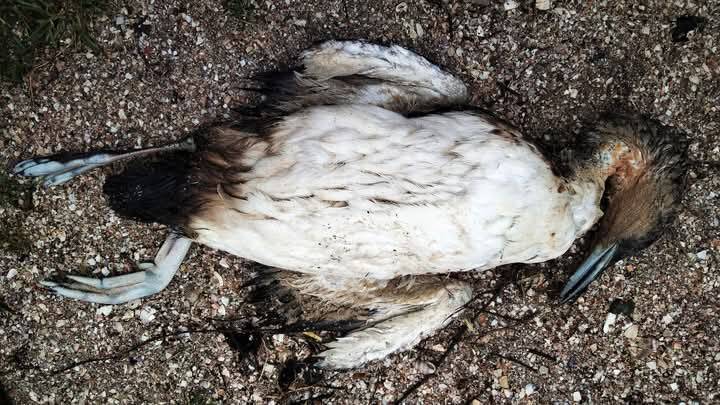
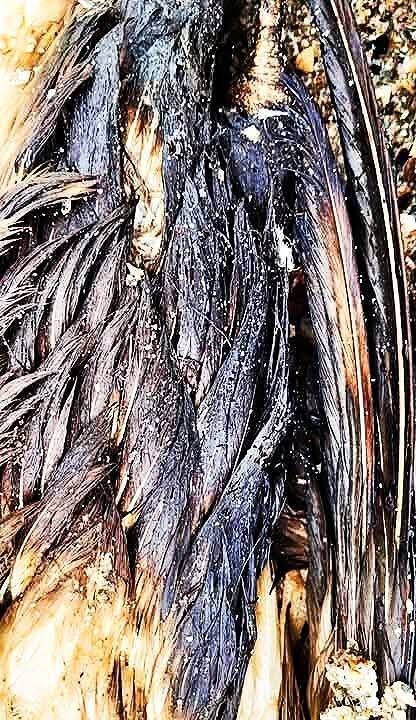
“Fuel oil can penetrate a bird’s skin through contaminated feathers only when the fuel oil is liquid,” Rusiev wrote. “Therefore, the bird probably found itself in the epicentre of the fuel-oil spill at the very beginning of the environmental disaster in the Kerch Strait. At that time, the still-liquid toxic fuel oil penetrated through the bird’s skin and oral cavity while it actively cleaned its feathers with its beak, and simply killed it. Two months later, drifting, the bird reached our shores 630 km from the accident in the Kerch Strait. This is incredibly important information, including within the criminal proceeding opened by the specialised environmental prosecutor’s office, for proving that this is the same fuel oil that Russian tankers spilled into the Black Sea. The Ukrainian Scientific Centre of Ecology of the Sea under the Ministry of Environmental Protection refused to take the first bird for examination, even though it too could have provided invaluable information about the origin of the fuel oil.”
Problems with collecting evidence
Rusiev described in detail how state authorities are resisting the examination of birds contaminated with fuel oil on his Facebook page: “Under an instruction from the Ministry of Environmental Protection, the national park administration transferred the fuel-oiled bird, with an accompanying letter, to the head of the Tatarbunary veterinary medicine unit of the Bilhorod-Dnistrovskyi District State Veterinary Hospital, although she resisted in every possible way. After lengthy negotiations, the bird was accepted.
That institution was then supposed, under the protocol of the Odesa Regional Military Administration emergency commission, to transfer the bird to the environmental inspectorate so that the properties of the fuel oil on the bird could be examined, but…
Recently, we received a strange letter from a State Service of Ukraine on Food Safety and Consumer Protection unit saying that they did not examine the fuel-oiled bird at all and simply destroyed it completely, without even transferring fuel-oil samples to the environmental inspectorate for further examination. This is absurd and, in our view, indicates typical sabotage of efforts to establish the causes of the fuel-oil pollution.”
Everything possible must now be done to document the consequences of the Volgoneft tanker accident in the Kerch Strait and record the damage for future court proceedings, so the situation described by Doctor of Biological Sciences Professor Ivan Rusiev must be corrected immediately.
Prepared by Tetiana Herasymova.
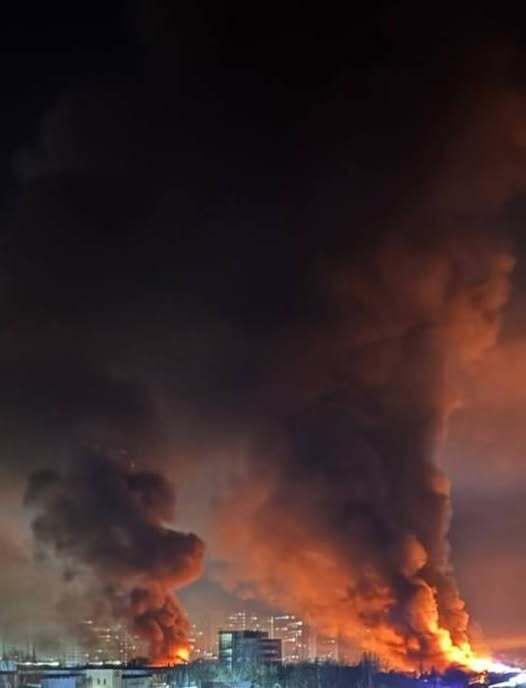
Chronicle of Russia’s War Crimes Against Ukraine’s Environment: Odesa Oblast, March 2025
In March 2025, the Russian army’s terror against the civilian population of Odesa Oblast did not stop. The occupying state uses the tactic of terrorising civilians to spread fear among Ukrainians and break their will to resist the enemy. Residential areas were targeted most often, leaving many people without homes.
Read More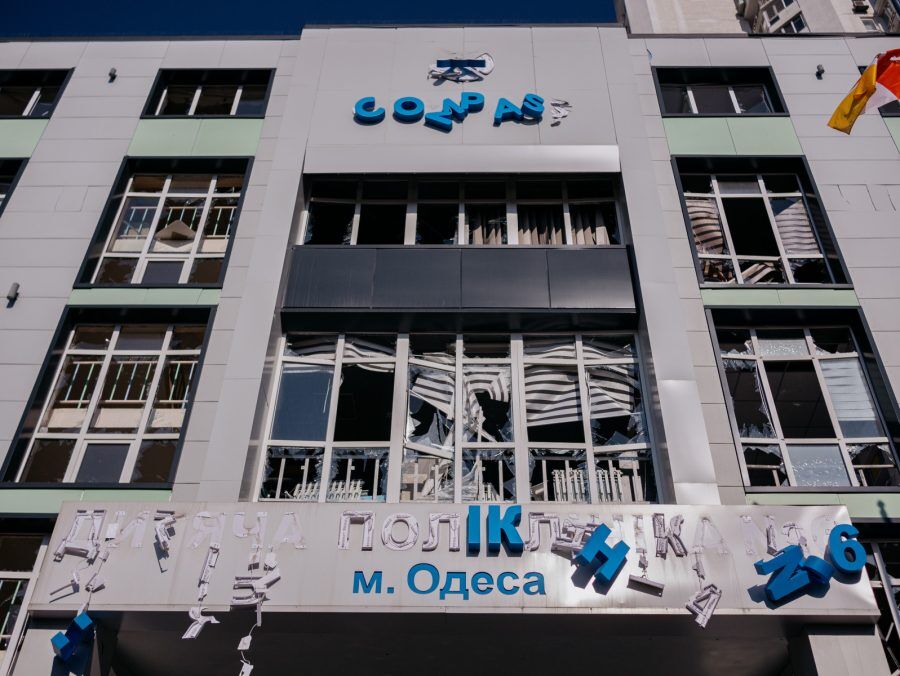
Chronicle of Russia’s War Crimes Against Ukraine’s Environment: Odesa Oblast, February 2025
The tactics of the Russian army’s war crimes have not changed over three years of Russia’s large-scale, horrific and unprovoked war against the Ukrainian people and the Ukrainian state: brutal attacks by the Russian army are accompanied by the most inhumane terror against civilians, destruction of public infrastructure and ecocide. Port facilities, power grids, a children’s clinic and a kindergarten were among the targets of Russia’s war crimes in February 2025.
Read More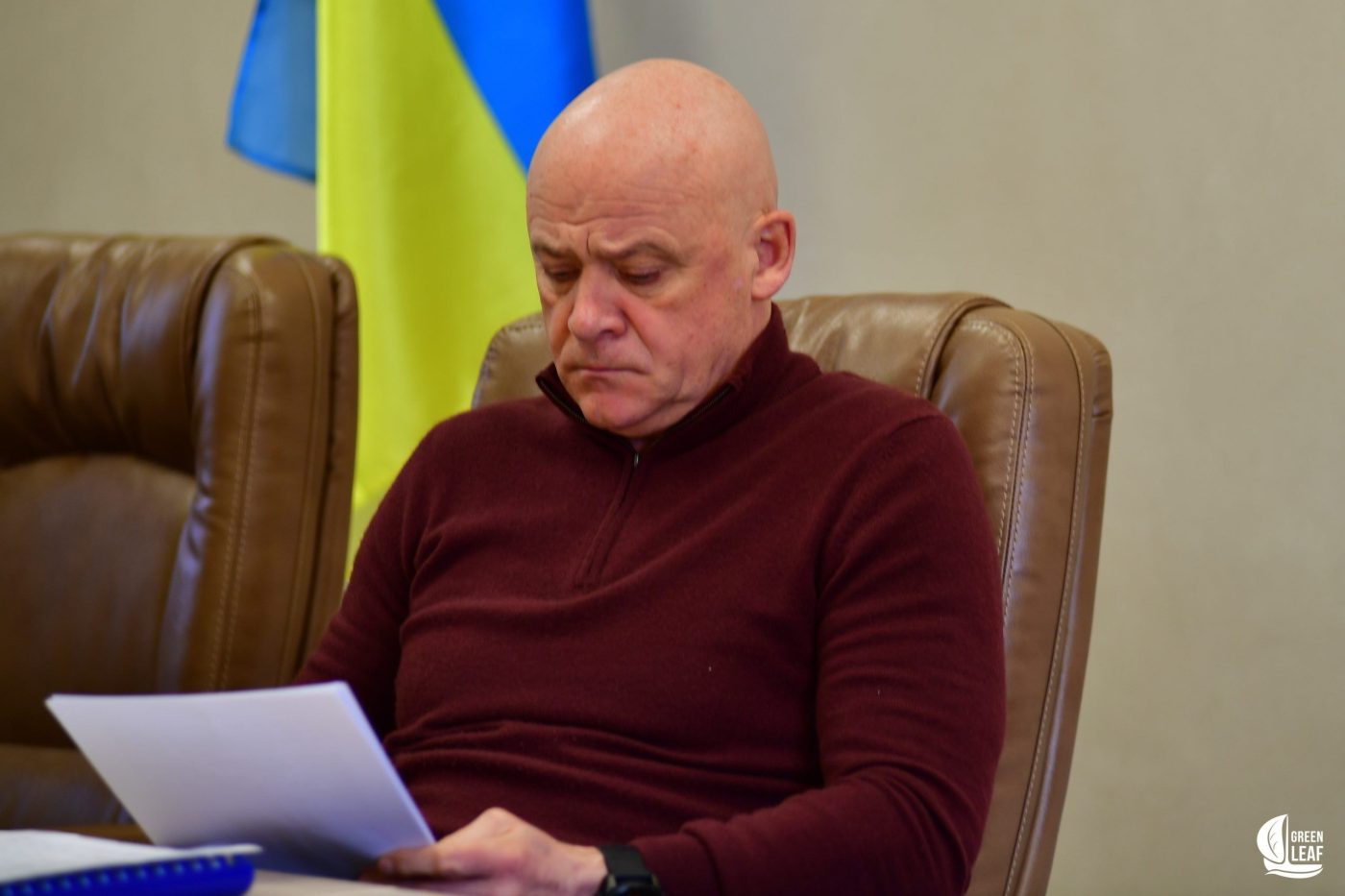
Money Laundering and a Criminal Organisation: HACC Hearing in the Trukhanov Case
On 10 February, the second preparatory hearing was held at the High Anti-Corruption Court (HACC) in the case involving Trukhanov and his associates. They are charged under provisions concerning the creation of a criminal organisation (Article 255 of the Criminal Code), misappropriation and embezzlement of property (Part 1 of Article 191), money laundering (Part 3 of Article 209), and abuse of office (Part 2 of Article 364). Thus, when the proceedings reach the reading of the indictment, we should hear a description of the joint actions of Trukhanov and his associates and how roles were distributed between his direct subordinates and Halanternyk’s people.
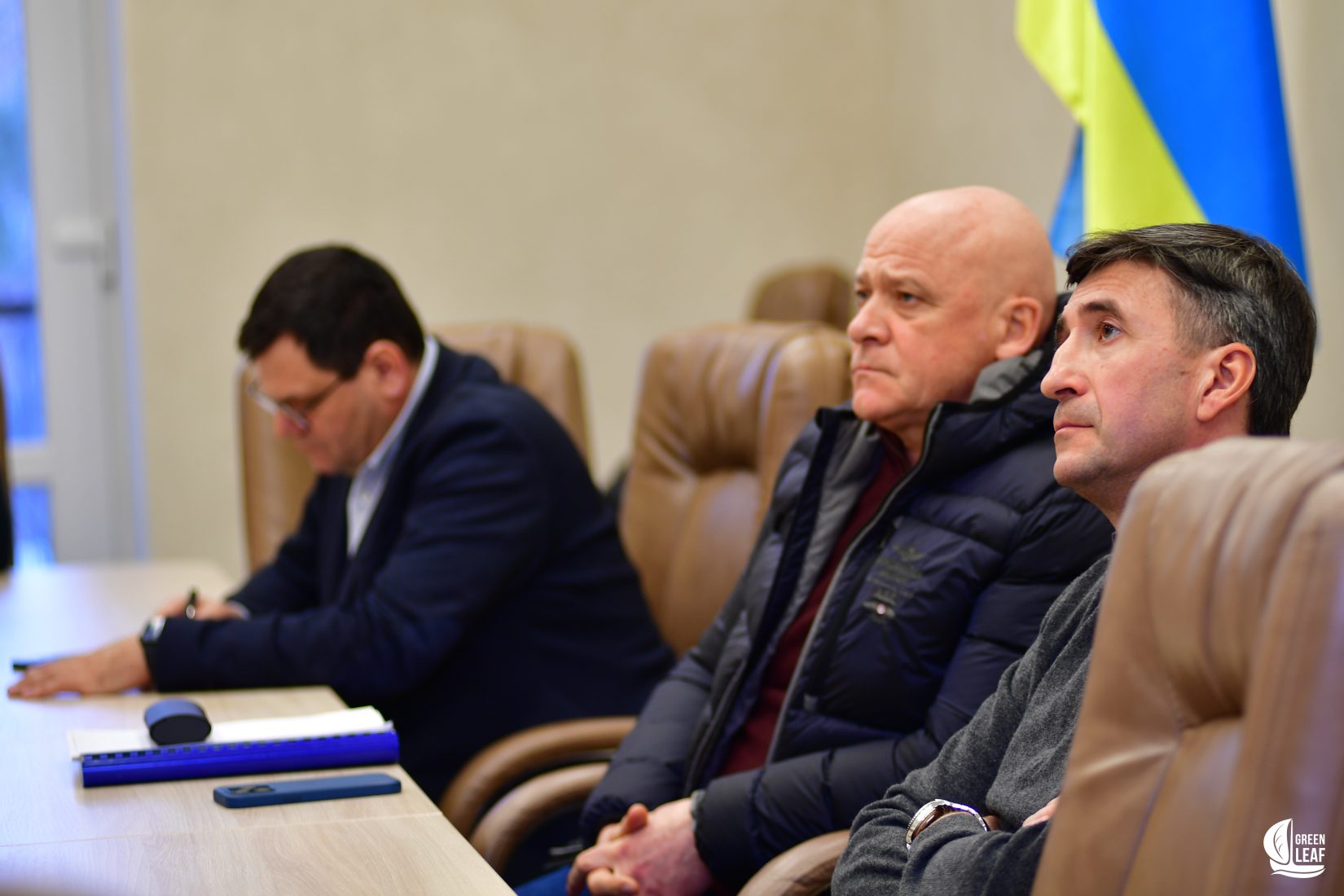
The charges concern events from 2016–2019, when the Odesa territorial community lost at least six land plots with a total area of 15.9 hectares and a value of UAH 131 million.
According to the investigation’s version, represented by NABU detectives, representatives of local authorities and law-enforcement agencies in Odesa received money, apartments in new buildings and other financial benefits in exchange for decisions favouring the criminal organisation. According to an expert assessment, the total damage caused by these episodes amounts to UAH 689 million.
The shadow office of Odesa ‘master’ Halanternyk and his managers
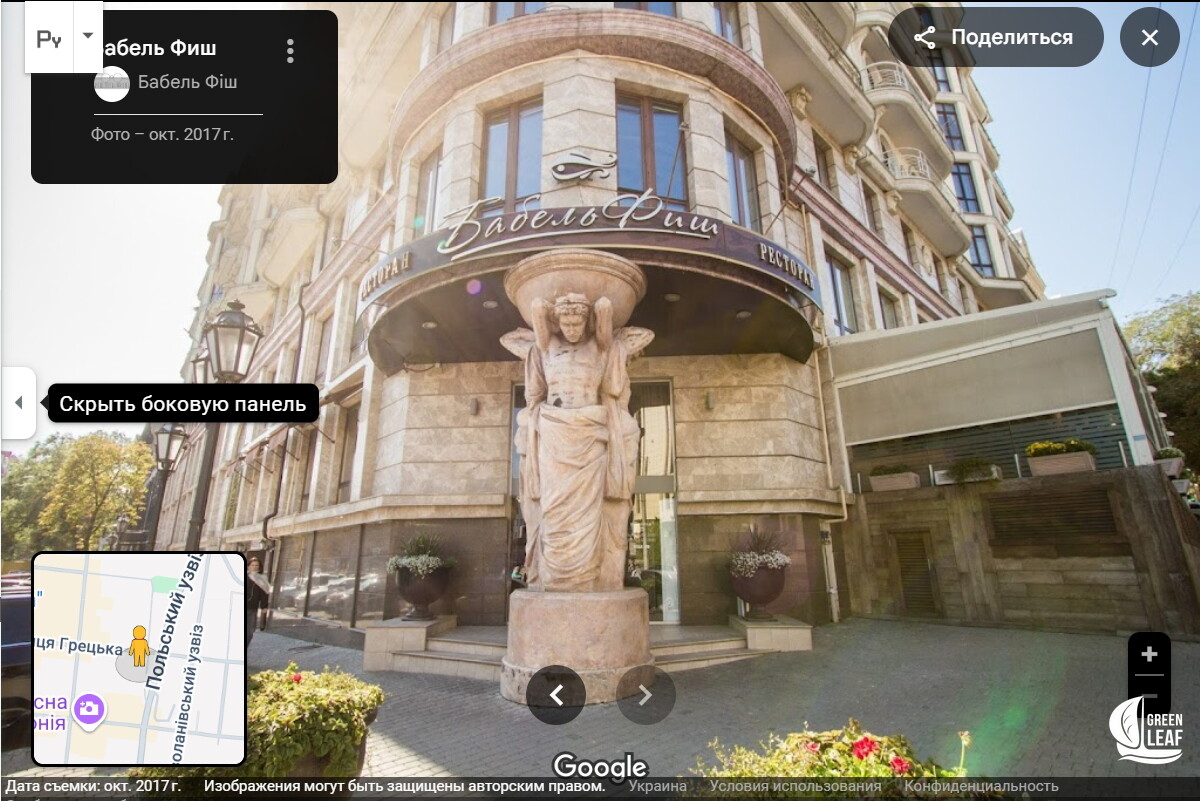
Negotiations and schemes were developed in the shadow office of Odesa ‘master’ Halanternyk, in a specially soundproofed room at the Babel Fish restaurant, while participants in the dealings were subjected to polygraph tests.
So far, during the preparatory hearings, the defendants have filed numerous motions, requested that the case be heard by a panel of judges, and asked for it to be combined with another case involving former regional prosecutor Zhuchenko, who, according to the investigation, facilitated the offenders’ unlawful actions and received compensation. In particular, Zhuchenko sometimes allegedly received compensation in the form of real estate in buildings that were constructed unlawfully on municipal land. To date, Zhuchenko is the only person who speaks in court personally, on his own behalf; the others speak through their defence lawyers.
This is not the only case before the HACC in which Trukhanov and his associates are accused of misappropriating municipal land. We also plan to follow an episode in which the current deputy mayor Vuhelman is among the defendants, as well as a separate case involving everyone except Trukhanov, including Halanternyk’s childhood friend Vasyl Shkriabai, the former chair of the council commission on municipal property and a current regional council deputy; Popovska, the current head of the legal department; and Halanternyk’s lawyer and the ‘brain centre’ of all these schemes, Diamid Zhonnyk. Trukhanov, Shkriabai and another Halanternyk proxy, Rodionov, are physically present in the courtroom of the Odesa District Administrative Court, in the videoconference room, while the other defendants connect separately, including former land-management commission chair Oleh Bryndak.
As for Halanternyk himself, it was stated at the previous hearing that his last known location was Austria. We hope NABU detectives and SAPO prosecutors have taken past mistakes into account and will be able to prove the alleged joint criminal actions, and that Trukhanov and company will not be acquitted for a second time, now by the High Anti-Corruption Court. We note that 500 witnesses have been named in the case against Trukhanov and the alleged criminal group, so the proceedings are likely to take more than one year, because the HACC is a new institution that may struggle with such a workload. In the Krayan case, which the HACC is hearing again after all defendants were acquitted by Odesa’s Malynovskyi District Court, the preparatory hearings lasted two years!
According to the lawyer, Bryndak’s actions were lawful
Lawyer Andrii Leshchenko, well known in the human-rights community and representing former deputy mayor Oleh Bryndak in the proceedings, stated in an interview after his client was served with a notice of suspicion thatthe accusations were ‘absurd’. According to the lawyer, Bryndak’s actions were lawful and beneficial to the city, and the plots did not disappear as part of recreational land but remained accessible to the community. We note that although we have not yet heard the indictment and do not know which specific actions are alleged to constitute deliberate organised acts of legalising (laundering) community property, this composition of defendants has appeared before.
Thus, the lawyer speaks as an ally of his client and shifts the assessment of the actions into a subjective plane. Was the ‘reconstruction’ of part of a protected natural area in Arcadia theft before Halanternyk appropriated it and turned it into a private commercial site with hotels and boutiques? Some people may regard this appearance of Odesa’s key waterfront as acceptable or even aesthetically pleasing, but does a subjective assessment negate the fact of unlawful appropriation of a protected natural area? We would also like to draw attention to another episode, in which city officials bought an old airfield near a cemetery at a price ten times higher than the market price. Does the fact that this area is on the outskirts of the city, in what is described as a ‘depressed’ part near an existing cemetery, make these actions any less unlawful or outrageous?
Given the specifics of Article 255, when an organised criminal group operates, each participant is aware of the others’ involvement, acts in coordination, and each individual and official performs their role at the level available to them. This is what we should see in the evidence that will eventually be presented in court and in witness testimony.
We also note that Trukhanov appears to have no other choice but to run for mayor again in order to avoid criminal liability, which is why it is extremely important to follow all episodes involving members of his team.
How the Fuel-Oil Spill Will Affect the Black Sea Ecosystem
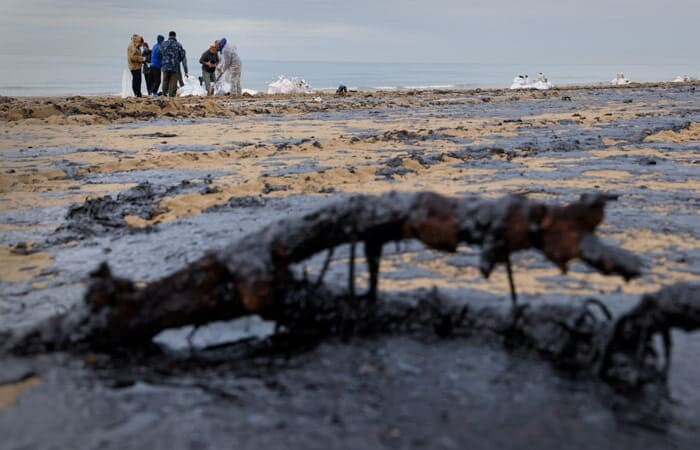
The fuel-oil spill resulting from the accident involving two oil tankers in the Kerch Strait on 15 December 2024 brought long-term threats to the Black Sea ecosystem. What caused the accident, and what is happening to the fuel oil now, a month and a half after the incident? What are the consequences of the environmental disaster for the entire Black Sea ecosystem? How will the fuel-oil spill affect Odesa Bay? Will fuel oil appear on the coasts of Romania, Bulgaria and Türkiye? We tried to document the situation as it stands now and answer these questions.
Read More
Black Sea Fuel-Oil Disaster: Specialists Warned Russian Authorities About the Danger of Volgoneft Tankers
The founder and long-time director general of the well-known Odesa company Marine Engineering Bureau Hennadii Yehorov warned the Russian authorities more than 10 years ago about the danger of transporting fuel oil by sea in old Volgoneft tankers. He had extensive experience not only investigating accidents similar to the one that occurred on 15 December 2024 in the Kerch Strait, but also directly managed projects to convert these tankers.
Read More