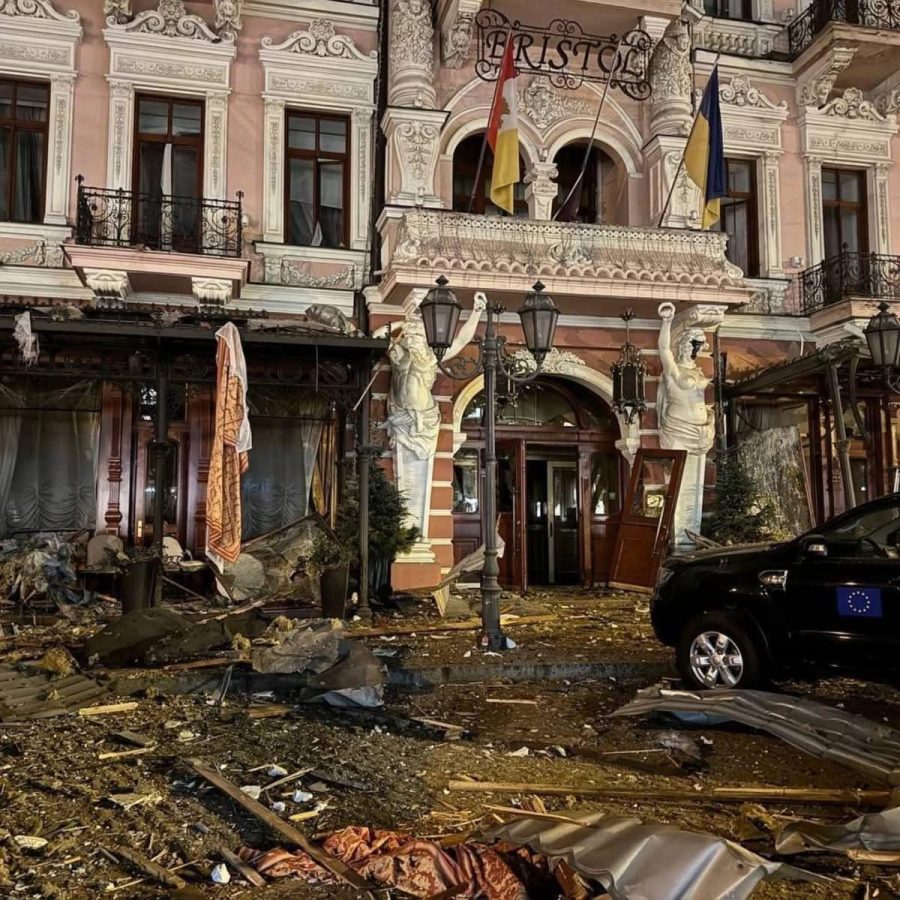

Chronicle of Russia’s War Crimes Against Ukraine’s Environment: Odesa Oblast, January 2025
After the December lull, attacks by the army of the occupying state on Odesa Oblast resumed, targeting ports, cultural heritage and infrastructure. Nineteen architectural monuments in central Odesa, an area protected by UNESCO, sustained varying degrees of damage. The Russian Federation’s ecocide continues.
Read More
Kerch Strait Fuel-Oil Spill: Environmental Disaster and Manipulation in the Information Space
After 15 December 2024, the most important topic in Russian and Ukrainian media became the accident in the Kerch Strait involving the oil tankers Volgoneft 212 and Volgoneft 239, from which more than 9,000 tonnes of fuel oil spilled into the Black Sea. Journalists in the two countries, however, covered the event very differently.
Read More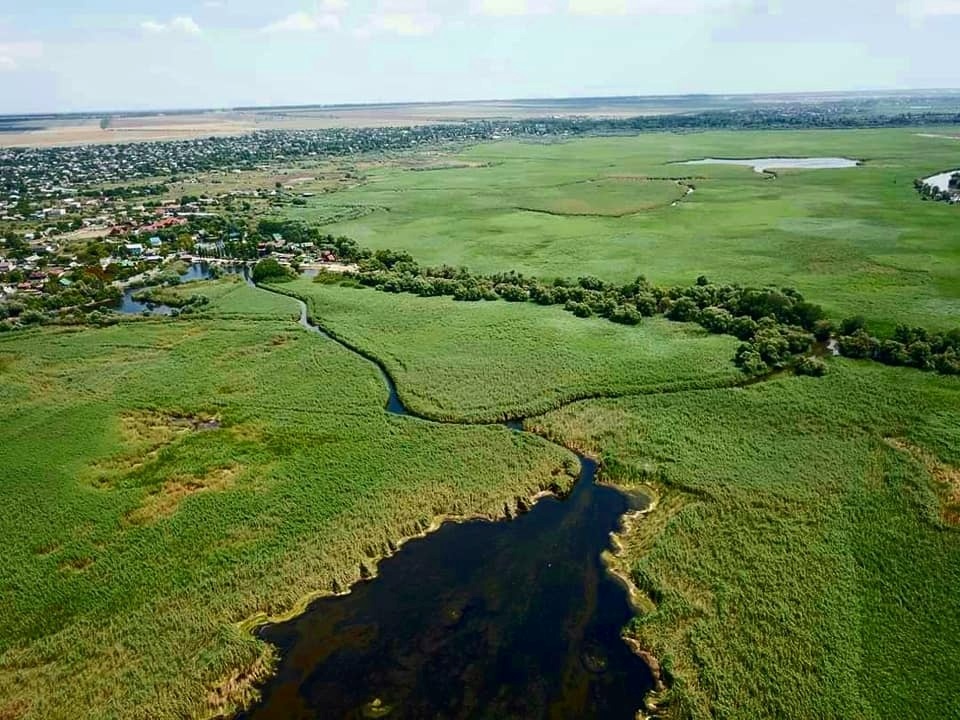
World Wetlands Day: How the War Is Destroying Ukraine’s Unique Nature Reserves
On 2 February, the world marks World Wetlands Day, which aims to raise awareness of unique ecosystems that provide a range of environmental, economic and social services. Under the Ramsar Convention, wetlands include all marshes and waterlogged areas, as well as fresh, brackish or salt-water bodies no more than six metres deep at low tide. The Convention obliges states to designate wetlands of international importance within their territories and to promote the conservation of wetlands and waterbirds by establishing nature reserves.
Read More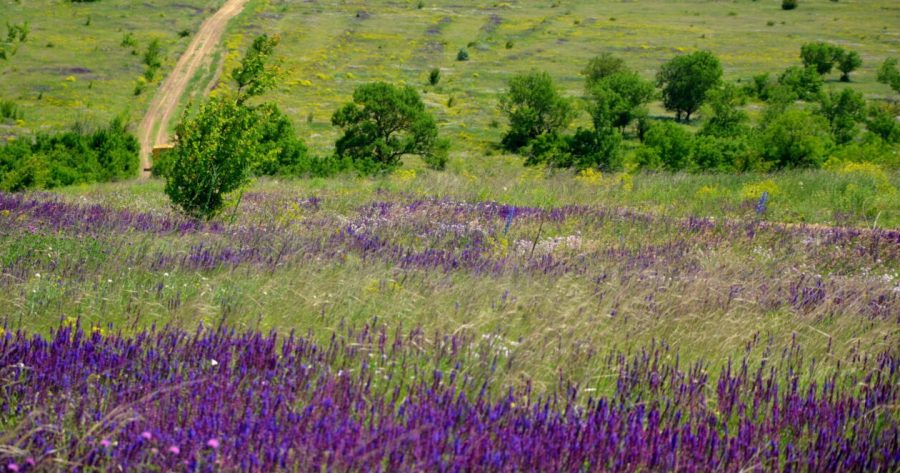
Ukraine Strengthens Protection of Natural Areas by Improving Management of Emerald Network Sites
Thanks to an international partnership with Particip GmbH (Germany), Rewilding Ukraine (Ukraine) and the Conflict and Environment Observatory (CEOBS) (United Kingdom), and with support from the World Bank in Ukraine, an initiative to improve the management of Emerald Network sites that are of great importance for biodiversity conservation was launched at the end of October 2024.
Read More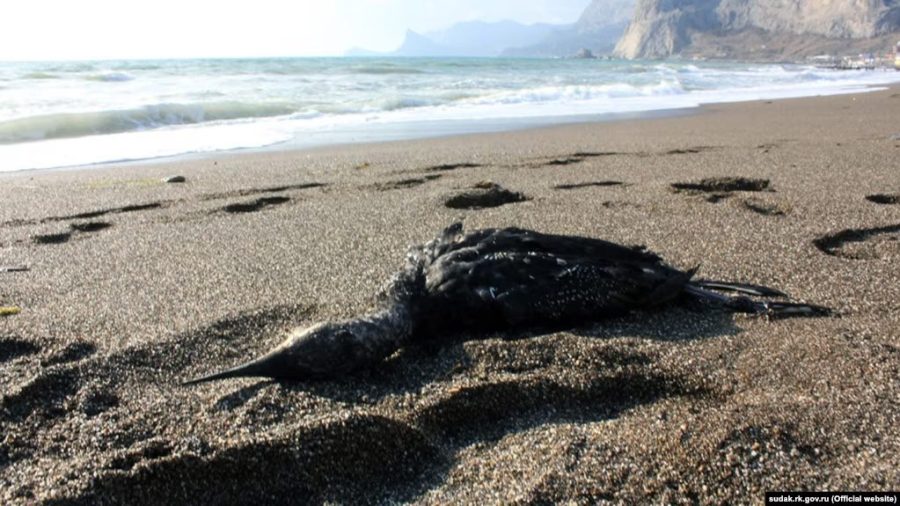
Fuel Oil from the Sunken Tankers Is Heading Toward Odesa. What Should Ukraine Do?
A month ago, a large amount of fuel oil entered the Black Sea as a result of the accidents involving two Volgoneft oil tankers in the Kerch Strait. No one still knows how many thousands of tonnes of petroleum products, or exactly which grade, ended up in the water. It is therefore difficult to predict how they will spread through the sea.
Will fuel oil appear off the coasts of Ukraine’s southern regions, including Odesa Bay? And what should we do to minimise the consequences of the ecocide in the Black Sea caused by the terrorist state? Unfortunately, the Ukrainian authorities have still not only failed to answer these questions, but are denying altogether the possibility that fuel oil could spread to the coast of Odesa Oblast.
Read More
The “Heroes of Odesa Streets” Guide Challenges Russian Imperial Myths About Odesa
On the eve of the New Year, the “Heroes of Odesa Streets” guide was presented in Odesa. It contains a systematic factual study of Odesa toponyms through the lens of decolonisation. The study formed the basis of proposals by the Working Group under the Head of the Odesa Regional Military Administration concerning street renaming in Odesa. The guide explains the reasons and mechanisms behind changes to street names, debunks myths and legends about decolonisation, and offers an in-depth analysis of the consequences of these changes for the city’s cultural and historical heritage. Particular attention is paid to how memorialising prominent historical figures and events helps shape points of reference and national consciousness.
Read More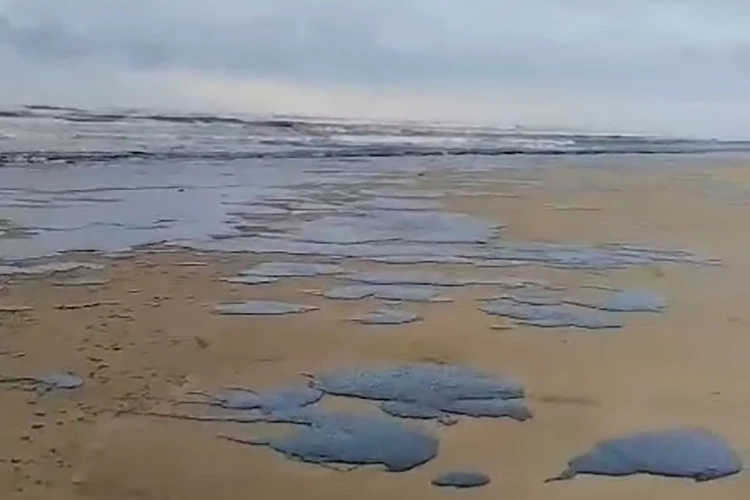
Russian Occupiers Threw a Real Ecological Bomb into the Black Sea
What happened in the Kerch Strait on 15 December 2024 may cause the largest environmental disaster in the Black Sea in recent decades. As a result of the accident involving two Russian tankers, more than 8,000 tonnes of fuel oil may have spilled into the sea. Ukraine’s Ministry of Environmental Protection and Natural Resources estimates the damage to the Black Sea ecosystem caused by the fuel-oil spill from the Russian tanker accident in the Kerch Strait at more than $14 billion.
Read More

How to Help Local Communities Better Support the Armed Forces
The state does not always manage to provide the military with everything it needs. One reason is the lack of modern supply standards for frontline units and individual service members. To address the problem, Green Leaf NGO, together with representatives of the “Money for the Armed Forces” initiative group in Odesa, developed recommendations that they sent to the President of Ukraine, members of the Verkhovna Rada of Ukraine, the Cabinet of Ministers of Ukraine and other central government bodies.
Read More
Chronicle of Russia’s War Crimes Against Ukraine’s Environment: Odesa Oblast, November 2024
November 2024, like all of the previous more than 30 months, was extremely difficult and tragic for Odesa Oblast: attacks by Russian terrorists destroyed homes, damaged infrastructure, and killed and injured residents of Odesa and Odesa Oblast. On 19 November 2024, 1,000 days had passed since the start of Russia’s full-scale invasion of Ukraine. Since 24 February 2022, Russian shelling in Odesa Oblast has killed 424 people, including 12 children. Another 772 people have been injured, including 55 children. Odesa Oblast, like all of Ukraine, has endured despite every ordeal and continues to fight for freedom and a peaceful future. We remember every hero and every victim.
We collect facts about the Russian Federation’s crimes against nature in Odesa and Odesa Oblast during the war: environmental pollution caused by explosions and damage to infrastructure, contamination of air, water and soil with toxic substances, destruction of ecosystems in protected natural areas and conservation areas of international importance, and more. The information will be updated daily, so please send any facts known to you to: zeleniy.list1@gmal.com
Read More